
Maryland Park Closes Water Access After Second Rabid Beaver Attack
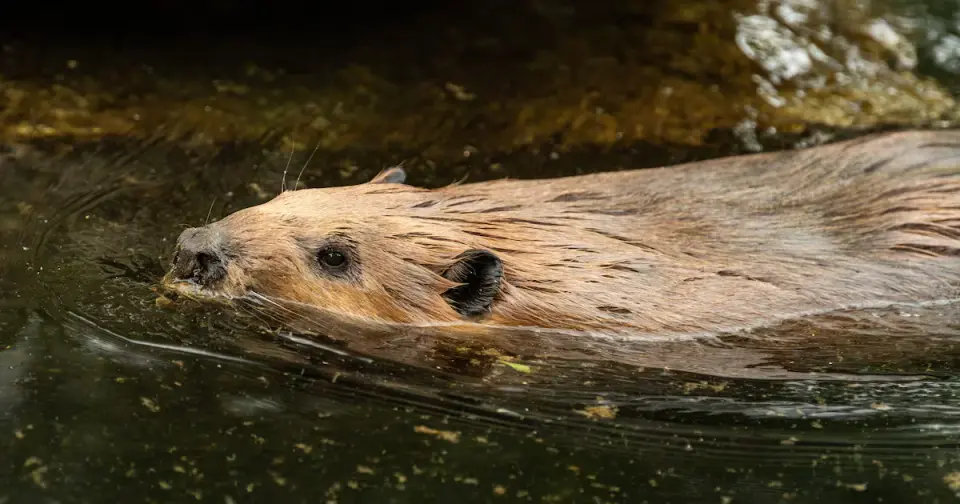
Cunningham Falls State Park in Maryland has closed all water access after a second rabid beaver attacked a visitor. A 19-year-old man was bitten on the ankle on August 5, following a July 26 attack on a 13-year-old swimmer. Both beavers were euthanized and confirmed to have rabies. Officials are now conducting day and night surveillance to find other infected animals.
Key points
- A 19-year-old fisherman was bitten on the ankle by a beaver on August 5 at Cunningham Falls State Park in Frederick County, Maryland.
- This was the second attack in two weeks; a 13-year-old boy was bitten while swimming on July 26 and airlifted to Johns Hopkins Hospital.
- Both beavers were captured, euthanized, and tested positive for rabies.
- The park has closed swimming, fishing, and boating areas, including the Houck Day Use Area and Big Hunting Creek, while the campground remains open.
- Officials are conducting 24-hour surveillance and dismantling beaver lodges to search for other infected animals.
Background
This incident follows a series of earlier reports from our archive. On July 30, we reported the initial attack on the 13-year-old boy and the subsequent closure of the swimming beach. By August 7, coverage indicated that a second attack had occurred, leading to a partial shutdown of the park. The current situation confirms that the second beaver also tested positive for rabies, escalating the response from a partial closure to a full water access ban.
How outlets are covering it
The Daily Beast and The Washington Post highlight the severity of the situation, noting that the 13-year-old boy was airlifted to Johns Hopkins Hospital and that the 19-year-old man drove himself to Meritus Medical Center. The BayNet, citing the Maryland Department of Natural Resources, provides detailed operational responses, including the dismantling of a beaver lodge and the implementation of nighttime monitoring. WTOP emphasizes the rarity of such attacks, noting that beavers are typically non-aggressive, and highlights the public health advice to maintain a 25-yard distance. All sources agree on the closure of water access and the confirmation of rabies in both animals, but The BayNet offers the most granular detail on the ongoing investigation and surveillance measures.
Why it matters
Rabies is a fatal disease without prompt treatment, and while beaver rabies is extremely rare, these attacks highlight the potential risks of wildlife interactions in public spaces. The closure of a popular state park affects local tourism and recreation, while the public health response underscores the importance of immediate medical attention for any animal bites. The situation also raises questions about wildlife management and the potential for rabies outbreaks in local beaver populations.
What to watch
The Maryland Department of Natural Resources will continue day and night surveillance at Hunting Creek Lake to identify and remove any additional rabid beavers. The Frederick County Health Department is urging anyone who may have come into contact with a beaver at the park to contact them immediately. The park will remain closed to water access until officials can confirm the area is safe.
- Rabid Beavers Attack Visitors at State Park The Daily Beast
- Maryland state park partially closed after rabid beavers attack visitors washingtonpost.com
- When Beavers Attack: Two Incidents, Two Rabid Animals Close Cunningham Falls State Park The BayNet
- 2nd beaver tests positive for rabies in Maryland state park WTOP
- 2nd Beaver Tests Positive For Rabies After Attacking Fisherman Patch
Want the full story? Read the original reporting
Read on The Daily Beast