
Maryland park closes swimming beach after rabid beaver bites 13-year-old
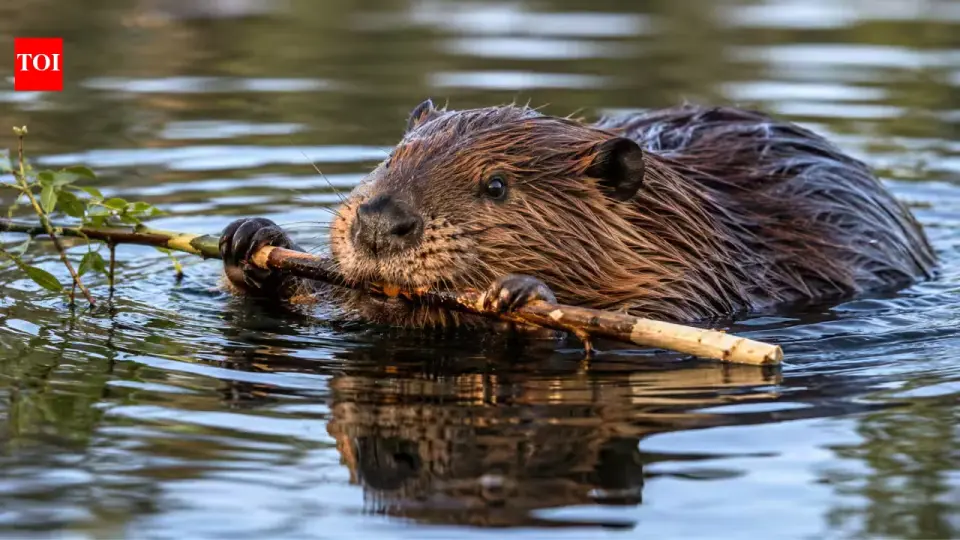
A 13-year-old boy was airlifted to Johns Hopkins Hospital after being bitten by a beaver at Cunningham Falls State Park in Maryland. The swimming area was closed as authorities captured and tested the animal, which confirmed positive for rabies.
Key points
- The incident occurred around 9:10 a.m. on Sunday at the William Houck Area of Cunningham Falls State Park in Frederick County, Maryland.
- The victim, a 13-year-old boy, suffered bite injuries to his hands and chest while swimming in the designated area near North Beach.
- Maryland State Police airlifted the boy to Johns Hopkins Hospital in Baltimore for specialized medical care and post-exposure treatment.
- Officials closed the swimming beach immediately to protect the public while wildlife officers searched for the responsible animal.
- The Maryland Department of Natural Resources captured a beaver, which was euthanized for testing and confirmed positive for rabies.
- The swimming area remains closed for several days while authorities ensure no other rabid animals are present in the lake.
Background
This incident follows a pattern of unusual wildlife attacks in the US this year, including a shark bite at Jones Beach State Park in July and a rabid beaver attack in New Jersey in May. Cunningham Falls State Park is a popular summer destination in Maryland's Catoctin Mountains, known for its swimming beaches and hiking trails.
How outlets are covering it
The Times of India and WBAL-TV emphasize the rarity of beaver attacks and the critical role of rapid response and rabies testing in preventing public health crises. WTOP highlights the public health warnings and the specific symptoms of rabies in animals, urging residents to report unusual wildlife behavior. Yahoo News notes the broader trend of beaver attacks this year, including incidents in New York and New Jersey, suggesting a potential increase in such events. All sources agree on the immediate closure of the swimming area and the confirmation of the beaver's rabies status, but differ in their emphasis on the rarity of the event versus the broader trend of wildlife attacks.
Why it matters
The incident underscores the importance of public health protocols in managing wildlife encounters and the potential risks of rabies exposure. It highlights the need for rapid response and testing to protect public safety, especially in popular recreational areas. The closure of the swimming area and the ongoing investigation demonstrate the proactive measures taken by authorities to prevent further incidents.
What to watch
Authorities will continue to monitor the area for additional rabid animals and determine when it is safe to reopen the swimming beach. The boy is expected to receive post-exposure treatment, and officials will provide updates on his condition. Public health departments will continue to urge residents to avoid contact with wild animals and seek medical attention if exposed.
- A 13-year-old boy was airlifted after a rabid beaver attacked him at a Maryland state park, forcing offic The Times of India
- Teenager swimming in Maryland lake bitten by rabid beaver WTOP
- Beaver that bit boy at Cunningham Falls State Park test positive for rabies WBAL-TV
- Beaver attacks, bites 13-year-old boy at Maryland state park Yahoo
- Rabid beaver bite closes Cunningham Falls swimming beach for several days WBFF
Want the full story? Read the original reporting
Read on The Times of India