
Fiji Declares National Emergency as Meth Crisis Drives HIV Infections to 16x 2019 Levels
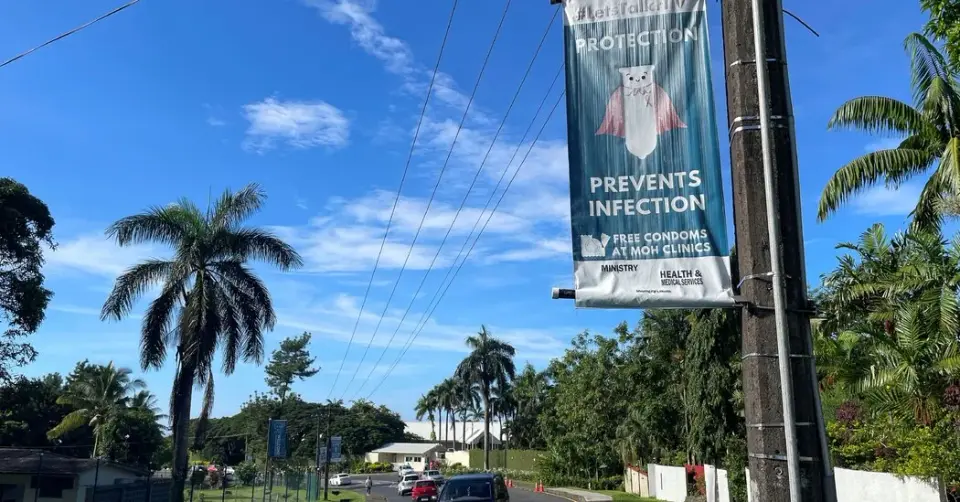
Fiji has declared a national emergency in response to a rapid surge in HIV cases, with 2025 diagnoses reaching 2,060, a 16-fold increase over 2019. The outbreak, which affects one in 60 adults, is driven by a methamphetamine crisis and injecting drug use. Health officials plan to expand testing, treatment, and harm reduction programs to address the crisis.
Key points
- Fiji recorded 2,060 new HIV cases in 2025, 16 times the number in 2019, prompting a national emergency declaration.
- One in 60 adults in Fiji is estimated to be living with HIV, a sharp rise from one in 167 five years ago.
- Injecting drug use, particularly methamphetamine, accounts for roughly half of new cases where transmission mode is identified.
- Only 39% of people living with HIV in Fiji know their status, and 22% are on treatment, far below the global average of 78%.
- Health Minister Atonio Lalabalavu announced plans to expand testing, access to PrEP, and a formal needle-and-syringe program.
Background
Fiji first declared an HIV outbreak in January 2025, ramping up testing to reveal the scale of the crisis. The country has emerged as a transit point for narcotics trafficked from the Americas to Australia, New Zealand, and Asia, fueling a methamphetamine addiction crisis. The global HIV trend has seen a 42% decline in new infections between 2010 and 2025, making Fiji's surge an anomaly.
How outlets are covering it
The New York Times and CNN both highlight the link between the HIV surge and the methamphetamine crisis, with CNN emphasizing the role of shared needles and sexual transmission. CNN also notes the impact on newborns, with 59 babies acquiring HIV from their mothers in 2025. The Burnett Foundation Aotearoa, a New Zealand organization, expressed solidarity with Fiji, emphasizing the need for evidence-based, community-led responses and reduced stigma. All sources agree on the urgency of the crisis and the need for expanded testing and treatment.
Why it matters
Fiji's HIV crisis highlights the intersection of drug trafficking, public health, and social stigma in the Pacific region. The rapid increase in cases, coupled with low testing and treatment rates, poses a significant threat to the country's health system and population. The emergency declaration signals a shift in public health strategy, with a focus on harm reduction and community engagement to address the root causes of the outbreak.
What to watch
Fiji plans to expand testing, treatment, and access to PrEP, as well as introduce a formal needle-and-syringe program. Health officials are urging individuals who may have been exposed to HIV to come forward for testing. International partners, including New Zealand, are expected to support Fiji's response through knowledge sharing and best practice approaches.
- Fiji Declares a National Emergency as H.I.V. Cases Skyrocket The New York Times
- Fiji declares HIV emergency. One in 60 people now have the virus as drug crisis fuels outbreak CNN
- National Emergency Declared in Fiji as 1 in 60 Diagnosed with HIV People.com
- Burnett Foundation Aotearoa stands in solidarity with Fiji NZDoctor
- 'Should we be concerned as New Zealanders?' Expert responds to Fiji's HIV emergency RNZ
Want the full story? Read the original reporting
Read on The New York Times