
Six missing after Cessna 210 crashes off Mississippi coast near Horn Island
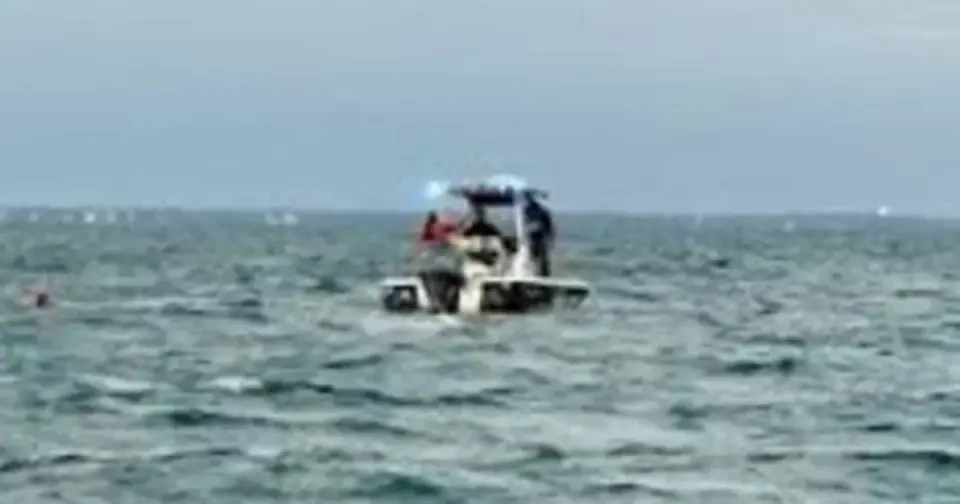
A Cessna 210 carrying four adults and two children crashed into the Gulf of Mexico near Horn Island, Mississippi, on Tuesday afternoon. The aircraft lost contact with air traffic control around 3:30 p.m. while descending rapidly. Rescue crews have recovered the cabin, life jackets, and a raft, but no survivors have been found. The NTSB will lead the investigation.
Key points
- A Cessna 210 crashed near Horn Island, Mississippi, on Tuesday afternoon, leaving six people missing.
- The aircraft was traveling from New Orleans to Fort Myers, Florida, when it lost contact with the FAA.
- Radar data indicates the plane was descending at 10,000 feet per minute at the time of the crash.
- Rescue teams have recovered the cabin, three life jackets, and a life raft, but no passengers have been located.
- The National Transportation Safety Board (NTSB) will lead the investigation into the crash.
Background
This incident follows a series of aviation accidents in late 2026, including a Russian military transport plane crash in Siberia in November that killed 19 people. The crash occurred near Horn Island, a remote barrier island in the Gulf Islands National Seashore, which is only accessible by private boat. The area is a popular summer destination but remains undeveloped and remote.
How outlets are covering it
NBC News, CNN, The Guardian, and WLOX all report that the Cessna 210 crashed near Horn Island, Mississippi, with six people on board. All sources confirm that the aircraft was traveling from New Orleans to Fort Myers, Florida, and that it lost contact with the FAA around 3:30 p.m. The sources agree that rescue crews have recovered the cabin, life jackets, and a life raft, but no survivors have been found. CNN and WLOX provide additional details on the descent rate, with CNN citing Flightradar24 data showing a dive of 18,000 feet per minute, while the Coast Guard and other sources report a descent rate of 10,000 feet per minute. The NTSB will lead the investigation, as confirmed by the FAA.
Why it matters
The crash highlights the ongoing risks of small aircraft operations and the challenges of search and rescue in remote coastal areas. The rapid descent and loss of communication suggest a potential mechanical or pilot error, which the NTSB investigation will aim to determine. The incident also underscores the importance of emergency response coordination between federal and local agencies in remote regions.
What to watch
The NTSB will lead the investigation into the crash, with the FAA assisting. Rescue efforts will continue until all six missing individuals are located or declared deceased. The Coast Guard and local agencies will maintain a presence in the area to coordinate the search and recovery operations.
- 4 adults and 2 kids are missing after plane crashes off Mississippi coast NBC News
- Authorities searching for 4 adults and 2 kids on plane that crashed near Mississippi’s Horn Island CNN
- Rescue crews search for six people after plane crash off Mississippi coast The Guardian
- Plane leaving New Orleans crashes near Horn Island; 4 adults, 2 children aboard: report WWLTV.com
- Downed plane reported northeast of Horn Island; Coast Guard, MDMR responding WLOX
Want the full story? Read the original reporting
Read on NBC News