
1944 Harvard 3 Trainer Crashes at Heritage Field, Pilot Injured
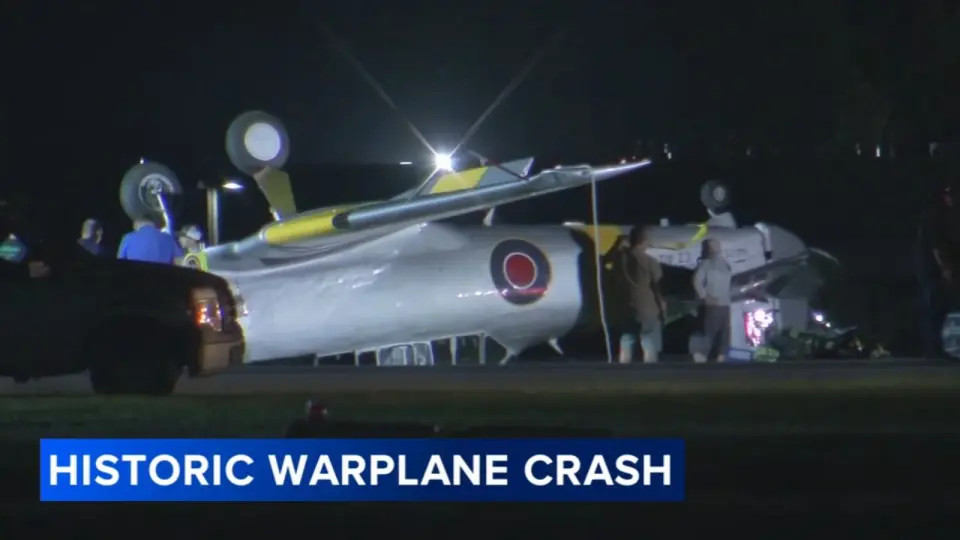
A single-engine, 1944-vintage T-6 Harvard 3 trainer crashed at Heritage Field Airport in Limerick Township, Pennsylvania, on September 9, 2026. The pilot was hospitalized with non-life-threatening injuries after the aircraft flipped upside down and leaked fuel. FAA and NTSB investigations are underway.
Key points
- The crash occurred at approximately 7:15 p.m. on September 9, 2026, at Heritage Field Airport in Limerick Township, Montgomery County.
- The aircraft was a 1944-built T-6 Harvard 3, a World War II-era trainer used by Allied forces, privately owned and registered to a Bucks County company.
- The pilot was the sole occupant and was removed from the wreckage by airport staff before emergency crews arrived; he was transported to a hospital with non-life-threatening injuries.
- The aircraft flipped upside down in a grassy area, causing a fuel leak that required fire department monitoring and absorbent pads until the plane was righted by a crane.
- The FAA and NTSB have been contacted to investigate the cause of the crash, which remains undetermined as of the latest reports.
Background
Heritage Field Airport, formerly Pottstown Municipal Airport, serves private and recreational aviation in Montgomery County. The T-6 Harvard 3 is a historic trainer aircraft from the World War II era, used to train combat pilots before they transitioned to fighter planes. The aircraft in question was manufactured in 1944 and is privately owned, with a British Royal Navy paint scheme.
How outlets are covering it
6abc and NBC10 emphasize the historic nature of the aircraft and the pilot's hospitalization, while FOX 29 provides additional details on the flight path (from Pottstown to Quakertown) and the short flight duration (9 minutes). WFMZ focuses on the emergency response and the pilot's non-life-threatening injuries. All outlets agree on the basic facts but differ in the level of detail provided about the flight and response.
Why it matters
The crash highlights the ongoing risks associated with operating vintage aircraft and the importance of aviation safety investigations. The involvement of the FAA and NTSB ensures a thorough examination of the cause, which could inform future safety measures for similar aircraft.
What to watch
The FAA and NTSB will continue their investigation to determine the cause of the crash. The pilot's condition is expected to improve, and further updates on his injuries may be released. The airport has reopened, and the aircraft has been removed from the scene.
- Historic T-6 Harvard 3 warplane from WWII crashes at Heritage Field Airport in Limerick Township, Montgomery County 6abc Philadelphia
- Pilot hospitalized after small plane crashes at Pa. airport, officials say NBC10 Philadelphia
- World War II era plane crashes at Pennsylvania airport; pilot hospitalized FOX 29 Philadelphia
- 1 injured after small plane crashes at airport near Pottstown WFMZ.com
- Pilot injured after small plane crashes at Montgomery County airport Inquirer.com
Want the full story? Read the original reporting
Read on 6abc Philadelphia