
25 Years Later, 9/11’s Legacy Divides Between Grief, Policy, and Generational Memory
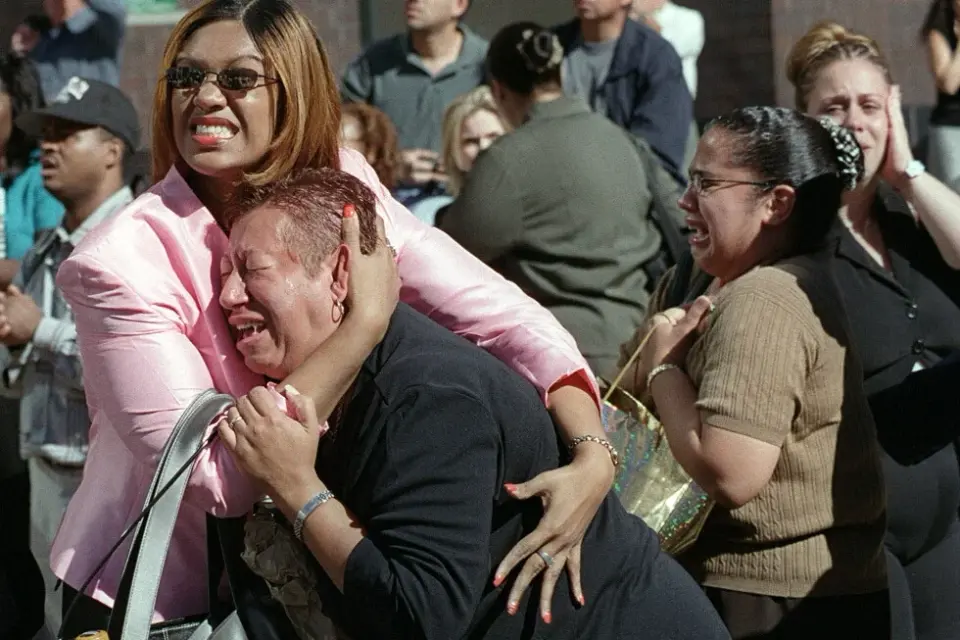
Twenty-five years after the September 11 attacks, public memory of the event is shifting from immediate trauma to historical context. While older generations retain vivid personal memories, younger Americans encounter the event primarily through education and media. This transition is complicated by the lasting impacts of post-9/11 policies, including the creation of the Department of Homeland Security, the War on Terror, and heightened surveillance. Experts and citizens debate whether the legacy of 9/11 should be defined by the shared grief and courage of that day or by the subsequent political and security measures that reshaped American society.
Key points
- The 25th anniversary highlights a generational divide: those alive in 2001 remember the event viscerally, while approximately 100 million Americans born since then know it only through history.
- Post-9/11 policies, including the creation of DHS, TSA, and ICE, have permanently altered U.S. security and immigration frameworks, often cited as normalizing heightened surveillance and suspicion.
- The War on Terror, including the invasions of Afghanistan and Iraq, remains a central part of the 9/11 narrative for many, despite the latter having no direct link to the attacks.
- Communities of color, particularly Muslims and Sikhs, faced increased profiling and hostility, with the 2002 National Security Entry-Exit Registration System being a key example of discriminatory policy.
- The COVID-19 pandemic has served as a modern parallel for younger generations, helping them understand the concept of a sudden, world-altering event that divides time into 'before' and 'after.'
Background
The 9/11 attacks in 2001 remain a pivotal moment in U.S. history, but their interpretation has evolved over 25 years. Earlier coverage of national security and immigration policy has often traced its roots to the post-9/11 era, highlighting how the event catalyzed long-term shifts in government structure and civil liberties. The current anniversary marks a transition where the event is increasingly viewed through the lens of historical analysis rather than immediate personal experience.
How outlets are covering it
AP News emphasizes the enduring impact of post-9/11 policies on immigration and security, noting that the 'securitization' of society has normalized suspicion, particularly toward Muslim and Middle Eastern communities. The Conversation focuses on the sociological concept of collective memory, arguing that while forgetting is inevitable, the core memory of 9/11 should remain centered on human vulnerability and resilience rather than political consequences. Time Magazine offers personal narratives, illustrating how the event shapes individual lives across generations, from firefighters and pilots to lawyers and veterans, highlighting both the trauma and the legacy of service. While AP and The Conversation highlight the tension between policy and memory, Time underscores the personal, ongoing impact on individuals, showing that the event's legacy is both a historical fact and a lived experience for many.
Why it matters
The 25th anniversary of 9/11 serves as a critical moment to reassess how national trauma is remembered and interpreted. The shift from personal memory to historical context reflects broader changes in American society, including the normalization of security measures and the impact of subsequent events like COVID-19. Understanding these shifts is essential for navigating current debates on civil liberties, immigration, and national security, as the legacy of 9/11 continues to influence policy and public discourse.
What to watch
As the 25th anniversary passes, the focus will likely shift to how 9/11 is taught and remembered in the coming decades. The ongoing legal battles at Guantánamo Bay, such as the case of Ammar al-Baluchi, will continue to highlight the unresolved consequences of the War on Terror. Additionally, the integration of 9/11 into the broader narrative of American history, alongside events like the pandemic and the 2008 financial crisis, will shape how future generations understand the event's significance.
- One attack, many Americas: Why 9/11 and its many griefs land differently 25 years later AP News
- 9/11 Shaped Their Lives, Even Though They’re Too Young to Remember It. The New York Times
- How 9/11 Shaped My Life Time Magazine
- What we forget when we remember 9/11 The Conversation
- Twenty-five years after 9/11, Americans still live with its legacy Reuters
Want the full story? Read the original reporting
Read on AP News