
SS United States Sinks Early on Veterans Day to Become World’s Largest Artificial Reef
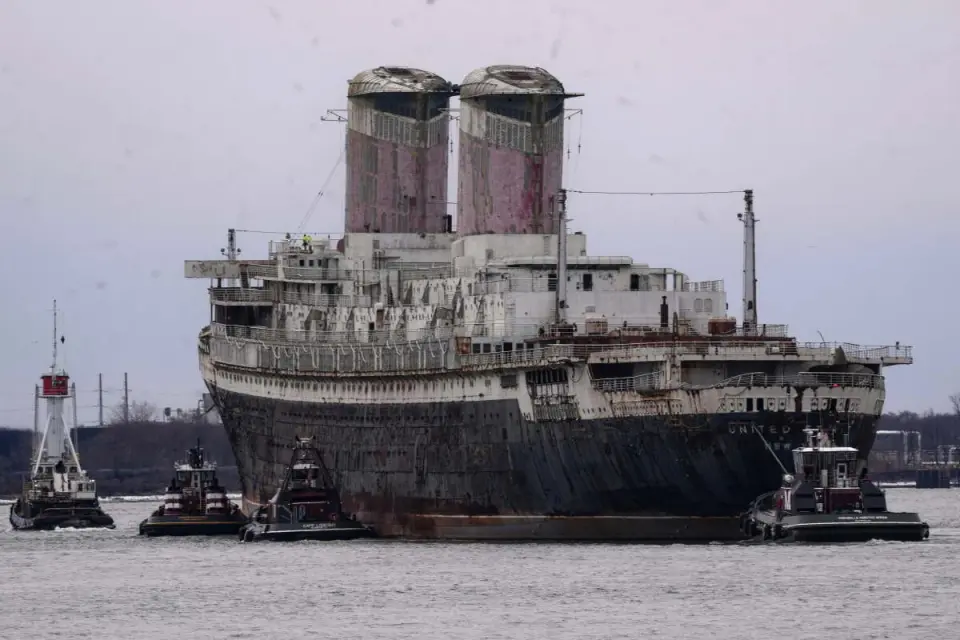
The SS United States, the former record-holding transatlantic ocean liner, was sunk early on November 11, 2026, off the Florida Panhandle to become the world’s largest artificial reef. The $13.5 million project, delayed by weather, aims to create a major diving destination and marine habitat while preserving the ship’s legacy through a museum.
Key points
- The sinking occurred one day earlier than planned due to inclement weather, coinciding with Veterans Day.
- The 990-foot vessel will rest in 180 feet of water, 22 nautical miles off Destin, Florida.
- The project cost $13.5 million, including $1 million to purchase the ship and $12.5 million for remediation.
- The ship’s smokestacks were removed to anchor a new museum, while the hull was flooded via seawater intake valves.
- The vessel holds the transatlantic speed record, having crossed the Atlantic in under three days in 1952.
Background
The SS United States, launched in 1952, was the fastest ocean liner ever built, setting a transatlantic speed record that still stands. After being decommissioned in 1969, it sat docked in Philadelphia for nearly 30 years. Okaloosa County purchased the ship in 2024 for $1 million after failed redevelopment attempts. The county invested an additional $12.5 million to remediate hazardous materials and prepare the vessel for scuttling, aiming to boost tourism and marine habitats in the Gulf of Mexico.
How outlets are covering it
AP News emphasized the ship’s historical significance and the technical details of the non-explosive sinking method, highlighting the removal of smokestacks for a museum. 6abc and NBC10 focused on the logistical changes, noting the early sinking due to weather and the cancellation of public sendoff ceremonies. Bay News 9 highlighted the economic and environmental benefits, stressing the ship’s role as a diving attraction and marine habitat. All sources agreed on the ship’s status as a National Historic Landmark and the project’s goal to preserve its legacy.
Why it matters
The sinking of the SS United States marks a significant shift in how historic vessels are repurposed, balancing preservation with environmental and economic goals. As the world’s largest artificial reef, it will attract divers and tourists, supporting local economies while providing a habitat for marine life. The project also demonstrates the feasibility of large-scale maritime conservation efforts, setting a precedent for other historic ships facing similar fates.
What to watch
Divers will be allowed to explore the reef once it settles, and the smokestacks will anchor a new museum celebrating the ship’s history. Okaloosa County officials expect the site to become a major diving destination, potentially rivaling the USS Oriskany reef. The project’s success may influence future decisions on preserving other historic vessels, balancing conservation with environmental and economic considerations.
- This ocean liner was the world’s fastest. It’s being sunk to make the largest artificial reef AP News
- How to watch S.S. United States sinking as vessel takes final journey to become world's largest artificial reef in Florida 6abc Philadelphia
- SS United States to remain landmark after sinking off Florida Panhandle Bay News 9
- Historic SS United States set to be sunk on Veterans Day. Here's how to watch NBC10 Philadelphia
- SS United States to be sunk Wednesday off the coast of Florida; live updates Inquirer.com
Want the full story? Read the original reporting
Read on AP News