
Huawei Convicted on 10 of 12 US Counts, Cleared of Racketeering
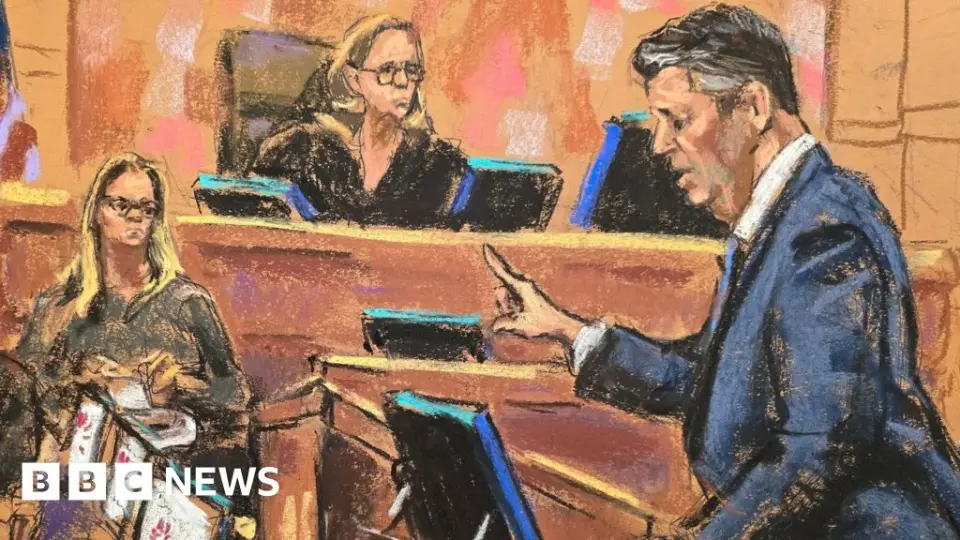
A federal jury in Brooklyn found Huawei guilty of 10 out of 12 counts, including conspiracy to steal trade secrets and bank fraud, but acquitted it of racketeering and obstruction of justice. The verdict concludes an 11-week trial where prosecutors alleged the company used illegal means to gain competitive advantages, while defense attorneys argued the firm’s growth was driven by innovation. Huawei stated it will review the verdict and pursue legal actions, maintaining that the trade secret claims lack factual basis.
Key points
- Jury in Brooklyn federal court convicted Huawei on 10 of 12 counts, including conspiracy to steal trade secrets, bank fraud, wire fraud, and money laundering.
- The company was acquitted of the overarching racketeering conspiracy charge and conspiracy to obstruct justice, which required proof it operated as a criminal enterprise.
- Prosecutors alleged Huawei lied to banks about its business dealings in Iran and stole technology from rivals to secure a competitive edge over 20 years.
- Defense attorney Brian Heberlig argued that Huawei’s expansion to 170 countries and 200,000 staff was achieved through hard work and innovation, not criminal conduct.
- Huawei issued a statement claiming the trade secret charges were civil matters resolved previously and vowed to take legal action to defend its rights.
Background
This case stems from charges first announced in 2019, following the 2018 detention of Huawei executive Meng Wanzhou in Canada at the request of US authorities. Meng was held for three years before reaching a deal with US prosecutors that allowed her return to China. The trial marked a rare US prosecution of a foreign corporation, with the Justice Department seeking to establish that Huawei engaged in systematic trade theft and sanctions evasion.
How outlets are covering it
BBC and The New York Times emphasized the significance of the racketeering acquittal, noting that Huawei viewed this outcome as vindication of its position over eight years. NBC News highlighted the breadth of the convictions, including money laundering and defrauding the United States, while framing the case as a major win for federal prosecutors. Bloomberg focused on the procedural details, noting the jury deliberated for four days after an 11-week trial. All sources agreed on the 10-2 conviction split but differed in emphasis: BBC and NYT focused on the trade secret and sanctions aspects, while NBC stressed the financial fraud and Iran-related allegations. Huawei’s own statement, reported by all outlets, dismissed the trade secret findings as civil matters without prior liability findings.
Why it matters
The verdict represents a rare criminal conviction of a major foreign corporation in the US, setting precedents for how trade secret theft and sanctions evasion are prosecuted. The acquittal on racketeering charges limits the potential for broader asset forfeiture or executive liability, while the trade secret convictions may impact Huawei’s access to US technology and partnerships. The case also underscores ongoing tensions between US and Chinese tech firms, with implications for global supply chains and international trade policy.
What to watch
Huawei has stated it will thoroughly review the verdict and take necessary legal actions, potentially including appeals. The outcome may influence future US enforcement actions against Chinese technology companies and could affect Huawei’s operations in markets where US sanctions apply. Analysts may assess the impact on Huawei’s stock and its relationships with US partners, while the case may serve as a reference point for other trade secret disputes involving multinational corporations.
- Huawei found guilty of stealing trade secrets but acquitted of racketeering BBC
- China's Huawei convicted in sprawling US criminal trial over Iran business Reuters
- Chinese tech company Huawei convicted on federal charges NBC News
- Huawei Found Guilty of US Criminal Charges in Landmark Case Bloomberg.com
- Huawei Found Guilty of Stealing Trade Secrets in U.S. Trial The New York Times
Want the full story? Read the original reporting
Read on BBC