
Sleeping Tesla Driver Plows Into CHP Cruiser on I-80, Seriously Injuring Two Officers
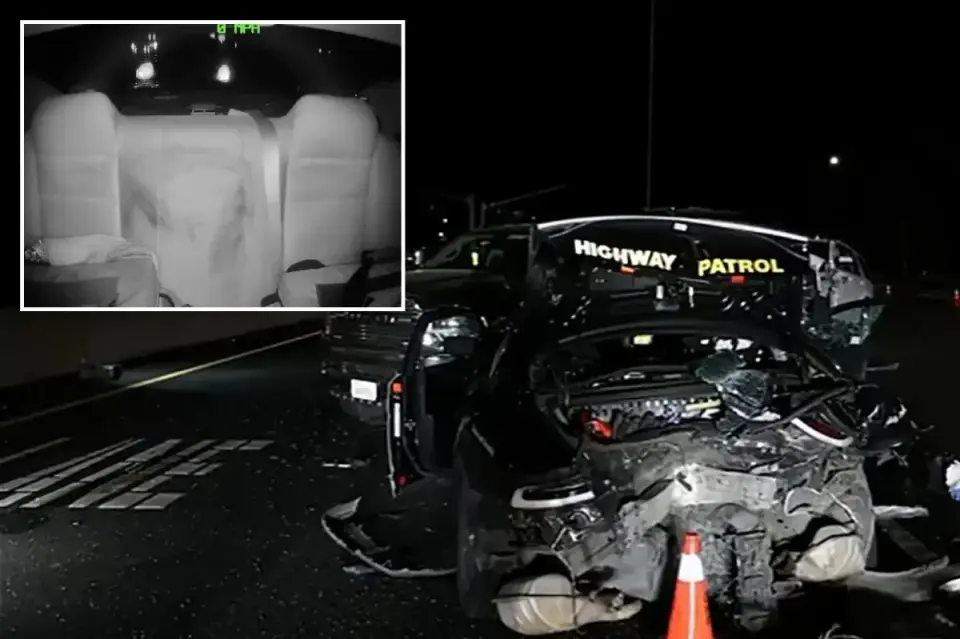
A 22-year-old man allegedly fell asleep while using Tesla’s Full Self-Driving system, causing his vehicle to crash into a California Highway Patrol cruiser on Interstate 80. The collision seriously injured two officers working at a fatal crash scene, prompting CHP to reiterate that the system requires constant human supervision. The driver suffered minor injuries, and authorities are investigating potential charges.
Key points
- On October 13, a 22-year-old Sacramento man crashed his Tesla into a CHP patrol car on eastbound Interstate 80 west of Air Base Parkway.
- The officers were investigating a fatal collision when the Tesla entered the closed lanes, which were marked with flares, cones, and flashing emergency lights.
- The two CHP officers sustained serious injuries and are recovering, while the Tesla driver suffered only minor injuries.
- The driver claimed he was asleep while the vehicle operated in Tesla’s Full Self-Driving mode.
- CHP stated that Full Self-Driving is an SAE Level 2 driver assistance system, not fully autonomous, and requires continuous driver supervision.
- The investigation is ongoing, and it is unclear if the driver will face charges for unsafe speed or reckless driving.
Background
This incident follows a September 2026 case in Solano County where a CHP officer cited a Tesla driver for sleeping at 60 mph with Full Self-Driving engaged. That earlier incident highlighted the risks of relying on driver assistance systems without active supervision. Additionally, a fatal Tesla crash occurred in El Dorado Hills in September 2026, underscoring ongoing safety concerns regarding autonomous driving technology in California.
Why it matters
The crash underscores the critical distinction between driver assistance systems and true autonomous driving. It highlights the severe risks of human error when relying on technology that still requires active supervision, potentially influencing future regulations and public awareness regarding the limitations of current self-driving features.
What to watch
Authorities are continuing their investigation to determine if the driver will face legal consequences for unsafe speed or reckless driving. The outcome may set a precedent for how law enforcement handles incidents involving driver negligence while using advanced driver assistance systems.
- Outrageous moment sleeping Tesla driver gets rude awakening as he crashes into California patrol car New York Post
- Sleeping Tesla driver crashes into CHP Solano vehicle, seriously injuring 2 officers KRON4
- VIDEO: Driver asleep as Tesla in self-driving mode plows into scene of crash on I-80 in Fairfield ABC7 Bay Area
- San Pablo man killed, two CHP officers injured in related freeway wrecks in Solano County San Francisco Chronicle
- Man, 22, Allegedly Sleeping Behind Wheel of Self-Driving Tesla Slams into Police Vehicle, Seriously Injuring 2 Officers People.com
Want the full story? Read the original reporting
Read on New York Post