
Independent Report Details Catastrophic Failures in 2025 LA Wildfire Response
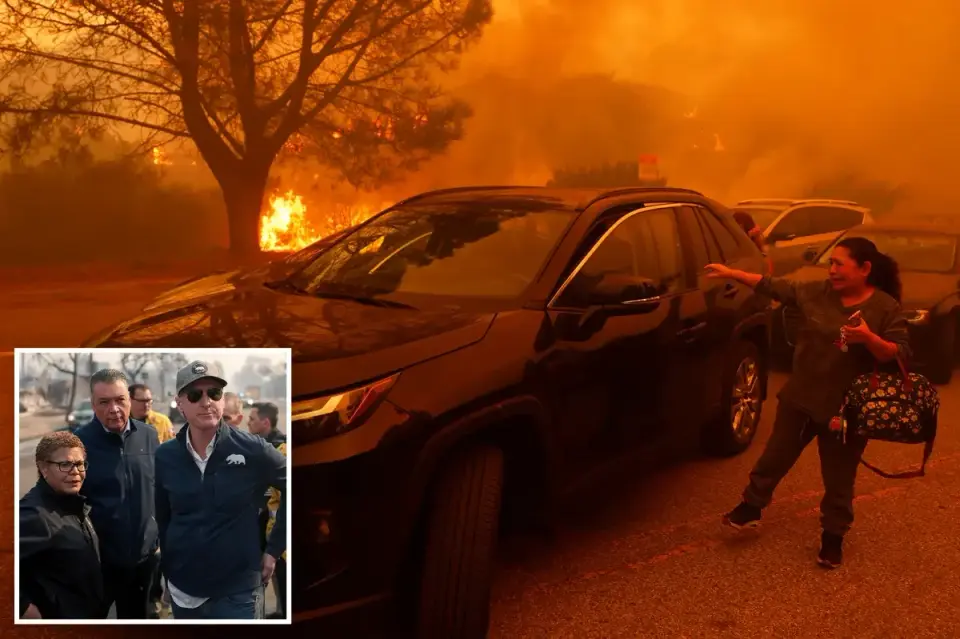
A 724-page independent report released Friday details severe coordination failures and delayed evacuation alerts during the January 2025 Los Angeles wildfires, which killed 31 people and destroyed over 16,000 structures. The review, commissioned by Governor Gavin Newsom, found that the Los Angeles Fire Department (LAFD) sent firefighters home despite dangerous winds and failed to properly mop up an earlier fire that reignited. In Pacific Palisades, residents waited 40 to 90 minutes for evacuation alerts after homes began burning. In Altadena, critical information from paramedics about the Eaton Fire’s westward spread never reached incident command, delaying alerts by hours. The report blames outdated technology, budget-driven staffing cuts, and a lack of unified command, though it notes the extreme weather conditions were the primary driver of the disaster. LAFD has accepted the findings and implemented 92% of its own internal recommendations, while officials acknowledge the system was overwhelmed by the scale of the event.
Key points
- The 724-page report by UL Research Institutes’ Fire Safety Research Institute was released 21 months after the January 7, 2025 fires.
- LAFD sent its outgoing shift home on the morning of the fire despite dangerous winds, adding only three engines staffed by inspectors.
- Evacuation alerts in Pacific Palisades were delayed by 40 to 90 minutes after homes began burning due to manual processes and software transitions.
- In the Eaton Fire, paramedics reported ember storms in West Altadena, but this information did not reach incident command, delaying evacuation orders by over an hour.
- The report identifies 266 recommendations, including better coordination, satellite internet for command staff, and improved mop-up protocols.
- LAFD acknowledged the findings, stating it has implemented 92% of its own internal review recommendations under new leadership.
Background
The January 2025 fires followed a pattern of increasing wildfire risk in California, as seen in recent events like the Lucas Fire in Mendocino-Lake County and the Hawk Fire near Reno. These incidents highlight the growing challenge of managing wildfires in urban and semi-urban areas, where infrastructure and communication systems are often strained. The 2025 LA fires were among the most destructive in California history, killing 31 people and destroying over 16,000 structures, prompting a state-commissioned independent investigation.
How outlets are covering it
The California Post emphasizes the LAFD’s role in delaying evacuation alerts and sending firefighters home due to budget constraints, highlighting resident frustration with the response. The Los Angeles Times focuses on the communication breakdowns, particularly how paramedics’ reports of the Eaton Fire’s westward spread were not relayed to incident command, and the LAFD’s failure to monitor the smoldering Lachman Fire. NBC News highlights the overwhelming 911 system and the lack of unified command, noting that firefighters often acted independently due to a loss of trust in leadership. LAist provides a broader context, noting the report’s 266 recommendations and the unprecedented weather conditions that contributed to the disaster. All sources agree on the severity of the failures but differ in emphasis: the California Post and LA Times focus on specific agency failures, while NBC News and LAist highlight systemic issues and the role of extreme weather.
Why it matters
The report underscores the need for improved coordination, technology, and preparedness in California’s wildfire response. The findings highlight the risks of budget-driven staffing cuts and outdated systems in emergency management, which can have fatal consequences. The 266 recommendations provide a roadmap for strengthening regional resilience and ensuring better preparedness for future wildfires, which are becoming more frequent and severe due to climate change.
What to watch
LAFD and other agencies are expected to implement the report’s recommendations, including improved staffing procedures, better communication systems, and standardized mop-up protocols. The state may also review its fire engine ordering system, which the report notes has not evolved since 1970. Public scrutiny will likely increase as the Los Angeles mayoral race approaches, with the fire response becoming a key issue. Residents and advocacy groups may push for faster implementation of the recommendations to ensure better preparedness for future wildfires.
- Damning 700-page Palisades, Eaton fire report exposes staggering delay in warning residents as homes burned New York Post
- Botched Altadena evacuations, dysfunction in Pacific Palisades: Long-awaited fire investigation identifies missteps Los Angeles Times
- Powerful Wildfires Require a New Approach, California Report Finds The New York Times
- Poor communication marred emergency response to deadly L.A. area fires, report finds NBC News
- California releases detailed analysis of 2025 LA fires laist.com
Want the full story? Read the original reporting
Read on New York Post