
Cornell Halts Fraternity Events for Year After 2024 Assault Lawsuit
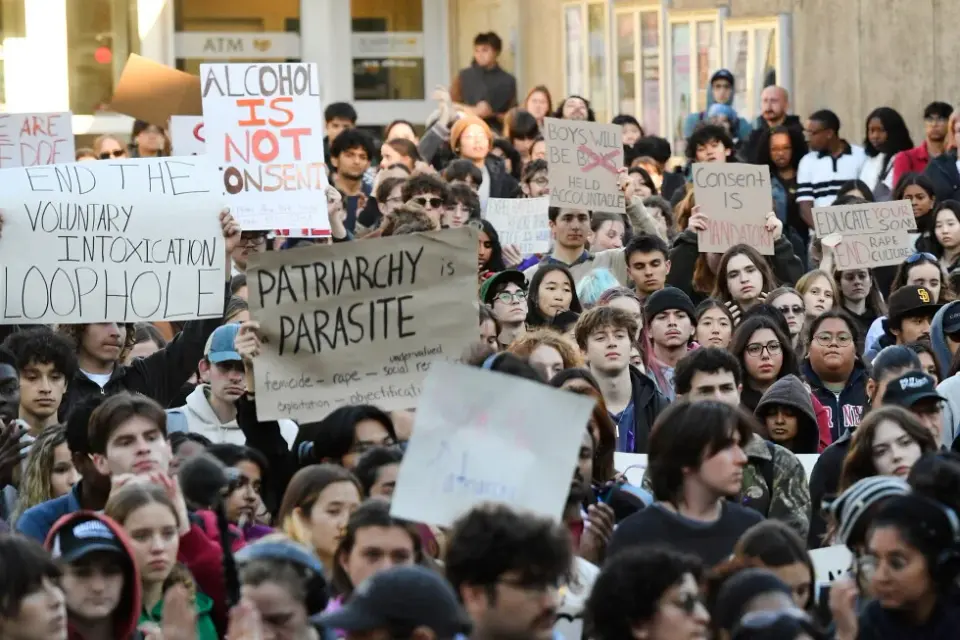
Cornell University has suspended all fraternity parties for the 2026-2027 academic year following a civil lawsuit alleging a 2024 drugged gang rape. President Michael Kotlikoff announced immediate safety measures, including enhanced survivor support and an independent review led by Sally Yates, to address systemic failures in campus safety and accountability.
Key points
- Cornell President Michael Kotlikoff announced the immediate suspension of all Interfraternity Council (IFC) house parties and social events for the 2026-2027 academic year.
- The ban follows a civil lawsuit filed by 'Jane Doe,' who alleges she was drugged with ketamine and gang-raped by seven Chi Phi fraternity members in October 2024.
- The university is launching an independent review of its policies led by former U.S. Deputy Attorney General Sally Yates to determine if and how fraternity life can safely continue.
- New measures include adding staff to the Office of Civil Rights, allowing New York State Police to investigate sexual assault allegations, and expanding victim advocacy resources.
- Violations of the party ban will result in immediate emergency suspension for any fraternity, with zero tolerance for non-compliance.
Background
This action follows months of escalating tension at Cornell. In September 2026, Jane Doe filed a lawsuit alleging the university failed to supervise the accused. Recent weeks saw student protests, vandalism, and strict university penalties for demonstrators. Additionally, New York Attorney General Letitia James launched a special criminal investigation, though challenges remain regarding lost digital data and state consent laws.
How outlets are covering it
AP News and CNN report the core facts of the fraternity party suspension and the university's response. Cornell University's official statement provides the detailed policy changes, including the specific involvement of New York State Police and the appointment of a dedicated Case Manager. While all sources agree on the ban, the university statement emphasizes the broader cultural shift and survivor support, whereas news outlets focus on the immediate reaction to the 2024 assault allegations and the legal fallout.
Why it matters
The decision sets a precedent for how elite universities respond to sexual violence allegations involving Greek life. By suspending all fraternity events rather than just the accused house, Cornell signals a systemic failure in oversight. The move also highlights the growing trend of universities partnering with state law enforcement to bypass internal disciplinary processes that critics argue are too lenient.
What to watch
The university will engage students and faculty to develop safe social alternatives to replace fraternity events. The independent review led by Sally Yates will provide actionable recommendations for policy changes. Meanwhile, the civil lawsuit and the reopened criminal investigation will continue to determine legal liability for the university and the seven accused individuals.
- Cornell suspends fraternity parties for rest of academic year amid sexual assault controversy AP News
- Cornell Bans Fraternity Parties and Adds Sexual Assault Investigators The New York Times
- Cornell bans fraternity parties and social events in wake of gang rape allegation NBC 7 San Diego
- Immediate measures to strengthen campus safety and better support survivors Cornell University
- Cornell suspends fraternity social events for the rest of the academic year CNN
Want the full story? Read the original reporting
Read on AP News