
Kyiv Blames Technical Glitch for Missed Missile Warning Amid US Intel Row
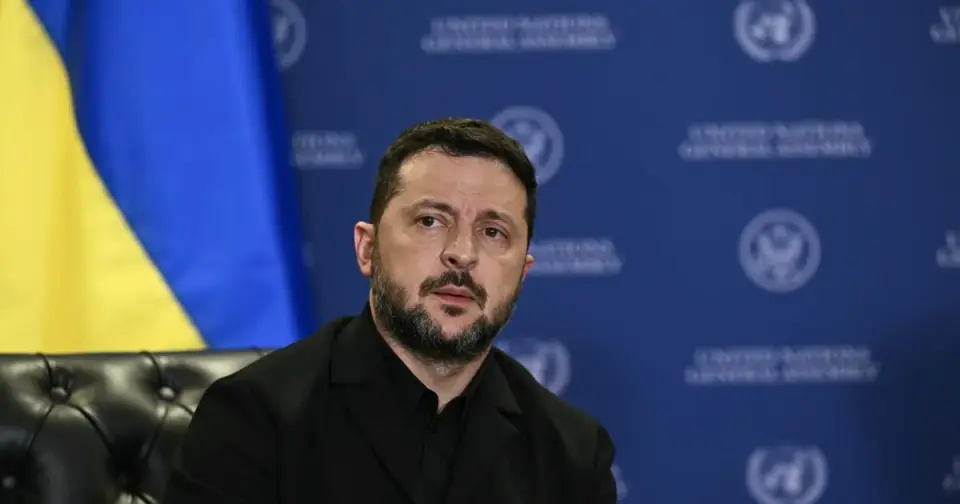
Ukraine received no early warning of a Russian ballistic missile strike on Kyiv, prompting President Zelenskyy to criticize intelligence sharing. The attack followed a brief pause in Ukrainian strikes on Russian oil refineries, which Kyiv claimed was a response to US pressure. While Washington denied halting intelligence support, Kyiv suspects the lack of warning was deliberate rather than technical.
Key points
- Zelenskyy stated Kyiv received no warning of five ballistic missiles and over 100 drones, calling the failure to alert civilians a critical issue.
- Ukraine paused strikes on Russian oil refineries for two days after Trump announced an energy ceasefire, but Russia continued attacking Ukrainian energy infrastructure.
- US officials threatened to cut intelligence sharing if Ukraine resumed strikes on Russian refineries, though Trump later denied halting intel support.
- Kyiv attributes the missed warning to technical issues or bad weather, while anonymous officials suspect the US withheld data due to political leverage.
- Russia struck 19 Ukrainian regions in two days, including a residential building in Kharkiv that killed four people and injured 41.
Background
This incident follows a period of intensified Russian ballistic strikes on Kyiv, which have reduced warning times to minutes and strained Ukraine's interceptor supplies. Previous concerns about new Russian missile ranges and a shortage of Patriot interceptors have heightened fears about winter energy infrastructure attacks. The current dispute marks the most serious rift between Washington and Kyiv since 2025, occurring as Europe debates how to leverage its support for Ukraine against US pressure.
How outlets are covering it
Politico highlights the tension between US threats to cut intelligence and Kyiv's suspicion that the lack of warning was deliberate, noting that US officials cited bad weather as the cause. The Guardian emphasizes Zelenskyy's refusal to apportion blame publicly while noting that Ukrainian commanders view US intelligence as crucial for missile warnings but not for targeting Russian refineries. Both sources agree that Russia ignored the energy ceasefire, but they differ on the extent of US complicity; Politico suggests the US may have withheld data, while The Guardian notes Trump's public denial of halting intel sharing.
Why it matters
The failure to warn Kyiv of ballistic strikes undermines trust in US intelligence cooperation, a key pillar of Ukraine's defense. If the US leverages intelligence to force concessions on Russian energy targets, it risks civilian casualties and could destabilize the alliance. This incident also highlights the fragility of the energy ceasefire, as Russia's continued attacks on Ukrainian infrastructure suggest no reciprocal restraint, potentially prolonging the conflict and worsening winter humanitarian conditions.
What to watch
Expect continued diplomatic friction between Washington and Kyiv over intelligence sharing and energy strikes. Ukraine may seek alternative intelligence channels or increased European support for air defense. Russia is likely to maintain pressure on Ukrainian energy infrastructure, while the US may push for a broader peace deal, potentially at the expense of immediate military support. The outcome of these negotiations could determine whether the energy ceasefire holds or collapses, affecting global fuel prices and regional stability.
- Ukraine had ‘no warning’ of latest Russian ballistic missile strike on Kyiv POLITICO.eu
- Zelensky Comment Raises Fears Over U.S. Intelligence Sharing The New York Times
- Zelenskyy Says Ukraine Received No Intelligence From Partners About Missiles Headed to Kyiv Military.com
- Allies did not warn Kyiv of Russian ballistic missile strikes, says Zelenskyy The Guardian
- Allies gave Ukraine no warning of impending missile attack, Zelenskiy says Reuters
Want the full story? Read the original reporting
Read on POLITICO.eu