
Policy Gaps Leave North Carolina Residents Rebuilding in Flood Zones Two Years After Helene
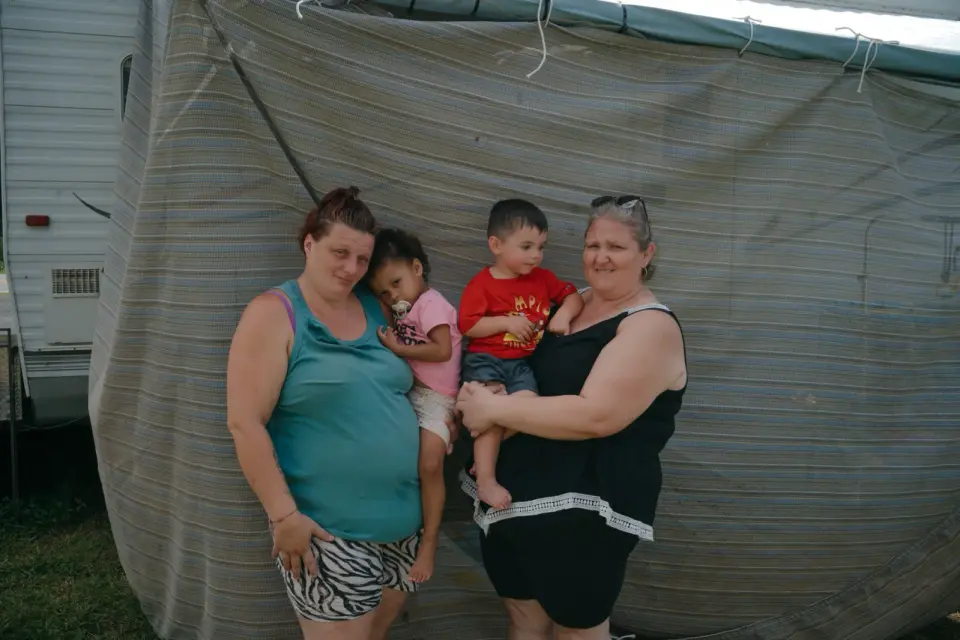
Two years after Hurricane Helene killed 108 people in North Carolina, federal and state policy gaps continue to allow residents to rebuild in high-risk flood zones. Outdated maps and minimal regulations permit mobile homes and campers on riverfront lots previously destroyed by storms. While WRAL highlights the meteorological factors that worsened the 2024 flooding, ProPublica focuses on the systemic failure to prevent repeated displacement and loss of life in vulnerable communities.
Key points
- Hurricane Helene caused 108 deaths in North Carolina and left Asheville without drinking water for 53 days.
- Federal floodplain maps in many inland areas remain outdated from the 1970s or 1980s, failing to account for new development.
- Minimum federal regulations allow campers and recreational vehicles to occupy floodplains where permanent homes are prohibited.
- In Haywood County, residents have moved back onto riverfront lots where mobile homes were washed away in 2004 and 2024.
- The 2025 Texas floods killed over 130 people, highlighting similar policy failures in other flood-prone regions.
Background
This story follows earlier coverage of rare Atlantic hurricane activity and ongoing disaster recovery efforts. The current focus shifts from the immediate impact of Hurricane Helene to the long-term structural and policy failures that leave communities vulnerable to repeated flooding.
How outlets are covering it
ProPublica and The Assembly emphasize the systemic nature of the crisis, arguing that federal inaction and local government cash constraints force residents into dangerous areas. They highlight specific cases, such as Joe Rogers, who lost his wife and home in 2024 after moving to a lot previously flooded in 2004. WRAL, in contrast, focuses on the meteorological aspects of the storm, specifically the 'predecessor rain event' that saturated Appalachian soils before Helene’s arrival, leading to historic rainfall totals of up to 30.72 inches in Yancey County. While WRAL explains why the storm was so devastating, ProPublica explains why people are still allowed to live in the paths of such storms.
Why it matters
The failure to update floodplain maps and enforce stricter building codes in inland areas creates a cycle of destruction and rebuilding. Without policy changes, residents in North Carolina and Texas face repeated displacement and loss of life, as current regulations prioritize cost savings over safety in vulnerable communities.
What to watch
The Association of State Floodplain Managers has proposed model ordinances requiring annual permits for campgrounds in floodplains and stricter emergency plans. However, Texas has failed to pass legislation allowing local leaders to curb unsafe development, and North Carolina counties continue to rely on minimal federal standards. Residents are expected to continue rebuilding in high-risk areas unless significant policy reforms are enacted.
- Two Years After Hurricane Helene, People Are Still Allowed to Live in Harm’s Way ProPublica
- Two years since Helene: The 'predecessor rain event' that made the storm even more devastating WRAL
- Asheville encourages fall visits as Western North Carolina marks two years since Hurricane Helene ABC11 News
- Years after storms, clean-up crews meticulously separate the sentimental from the wreckage NPR
- Two years later, Helene’s scars still mark western North Carolina Queen City News
Want the full story? Read the original reporting
Read on ProPublica