
US strikes Iranian missile site on Qeshm Island after drone attack in Bahrain
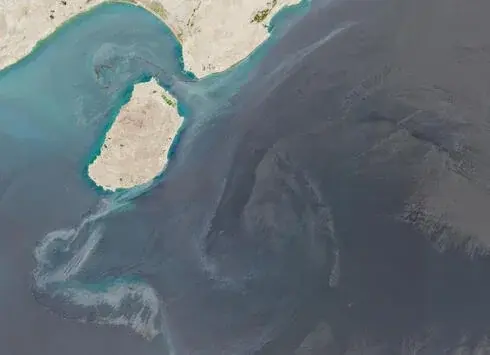
US fighter jets struck an Islamic Revolutionary Guard Corps missile launch site on Iran's Qeshm Island on November 17, 2026. The operation followed an Iranian drone attack on a US military radar installation in Bahrain earlier that day. Iranian officials confirmed explosions but reported no damage to civilian infrastructure. This latest exchange occurs amid a broader US naval blockade and stalled diplomatic efforts to end the ongoing conflict.
Key points
- US Central Command described the strikes as 'self-defense' measures using precision munitions in response to IRGC aggression against American assets.
- Iranian authorities confirmed five to six explosions on Qeshm Island, with the deputy governor of Hormozgan province stating that residential and commercial areas were unaffected.
- The strike followed an Iranian drone attack on Sheikh Isa Air Base in Bahrain, which Bahraini authorities said was intercepted without casualties.
- A third US aircraft carrier strike group has entered the region to support ongoing blockade operations and commercial ship escorts in the Strait of Hormuz.
- Diplomatic efforts led by Qatar and Oman continue, but no imminent agreement is expected as US President Donald Trump weighs options ahead of the midterm elections.
Background
This incident is part of a sustained US-Iran conflict that began in February 2026, often referred to as the 'US-Israel war on Iran.' Previous strikes on Qeshm Island occurred on November 2 and November 7, 2026, which US officials characterized as defensive actions. The US has maintained a naval blockade that halted $25 billion in crude oil exports and established Task Force Iron Gate to intercept weapons across land borders. Diplomatic channels remain open, with Qatar and Oman mediating, but Iran has demanded sanctions relief and compensation before resuming nuclear talks.
How outlets are covering it
US officials, including a military source cited by CNN, framed the strikes as necessary 'self-defense' against IRGC aggression, emphasizing that US Central Command remains 'highly vigilant.' In contrast, Iranian state media and the Foreign Ministry rejected US narratives, labeling reports of Iranian 'dirty bomb' plots as 'pretexts for further aggression.' Al Jazeera highlighted the strain on the US Navy, noting Acting Navy Secretary Hung Cao admitted to using expired munitions during earlier operations. While US sources emphasize defensive posturing, Iranian officials maintain that their actions are responses to US airspace violations and that they will exercise their right to self-defense under international law.
Why it matters
The strikes highlight the volatility of the US-Iran conflict and the risks of escalation in the Strait of Hormuz, a critical global oil transit route. The use of expired munitions and the strain on US naval resources suggest logistical challenges for the US military. With diplomatic talks stalled and US midterm elections approaching, the window for a negotiated peace is narrowing, potentially leading to further military operations or a prolonged stalemate.
What to watch
US President Donald Trump is expected to decide on the next steps in the conflict, potentially resuming full combat operations if Tehran rejects US demands. Diplomatic efforts by Qatar and Oman may continue, but Iran remains unwilling to negotiate without sanctions relief. The US Navy may face further resource constraints as it maintains the blockade and escorts commercial ships through the Strait of Hormuz.
- US fighter jets strike Iranian missile site on Qeshm Island after attack in Bahrain Ynetnews
- US carries out ‘self-defense’ strikes on Iranian missile launch site CNN
- Iran war updates: US hits Qeshm Island, Houthis claim hit on Saudi pipeline Al Jazeera
- Iran Says US Attacked Qeshm Island in Latest Exchange of Strikes Bloomberg.com
- US strikes Qeshm Island after Iran targets American base in Bahrain Financial Times
Want the full story? Read the original reporting
Read on Ynetnews