
Federal judges reject final legal barriers to ending TPS for South Sudan and Myanmar
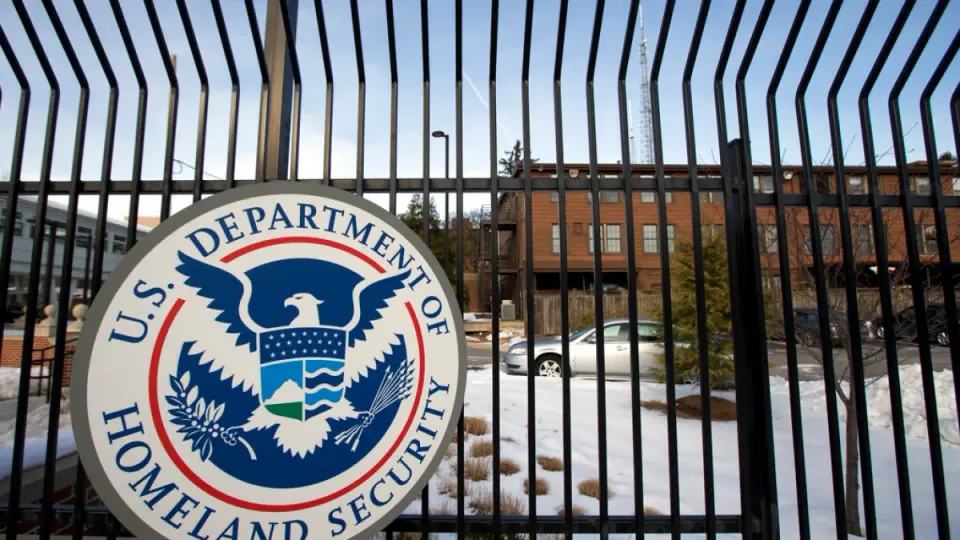
Two federal judges have rejected final legal challenges, allowing the Trump administration to end Temporary Protected Status (TPS) for nationals of South Sudan and Myanmar. The rulings affect approximately 232 South Sudanese and 4,000 Myanmar nationals, removing their work authorization and deportation protections. This follows a June Supreme Court decision that limited lower courts' ability to block TPS terminations. While the Department of Homeland Security (DHS) celebrated the outcome, advocacy groups warned that deportations would send vulnerable individuals back to conflict zones. The decisions leave only TPS terminations for Ethiopian and Somalian nationals currently blocked by courts.
Key points
- US District Judge Patti Saris in Boston and Judge Matthew Kennelly in Chicago rejected arguments that DHS lacked the authority to terminate TPS designations.
- The rulings affect approximately 232 South Sudanese nationals and 4,000 people from Myanmar, ending their legal work and residence protections.
- The decisions follow a June Supreme Court ruling that granted the executive branch broad authority to manage TPS, limiting lower court interventions.
- DHS General Counsel James Percival stated that the rulings clear the path for the remaining TPS terminations, except for those involving Ethiopia and Somalia.
- Advocacy groups, including Global Refuge, condemned the rulings, noting that South Sudan is facing intensifying civil war and humanitarian crisis.
Background
In early August 2026, federal courts cleared the way for the end of TPS for Haitians, following a Supreme Court decision that restricted judicial review of TPS terminations. That ruling established the precedent that the executive branch holds broad authority over the program, leading to subsequent challenges from immigrant-rights advocates regarding other countries. The current rulings for South Sudan and Myanmar are the latest in a series of legal battles following the Supreme Court's June decision, which had already allowed the termination of protections for hundreds of thousands of Haitians and Syrians.
How outlets are covering it
The Department of Homeland Security (DHS) and the Trump administration viewed the rulings as a decisive victory, with General Counsel James Percival stating that the 'administrative stays' were denying the American people what they voted for. In contrast, immigrant-rights organizations like Global Refuge and African Communities Together condemned the decisions. Global Refuge CEO Krish O'Mara Vignarajah argued that the administration was deliberately sending vulnerable individuals back to a country on the brink of all-out civil war, where millions depend on humanitarian aid. The Guardian highlighted that the plaintiffs' legal argument was self-defeating, as it would have invalidated the original TPS designations as well. Al Jazeera reported that the rulings leave recipients exposed to deportation to countries still gripped by conflict, while Erickson Immigration Group noted that USCIS had issued short-term extensions for work authorization documents under court orders prior to the final rulings.
Why it matters
The rulings remove the final legal barriers to deporting thousands of individuals from conflict-affected regions, potentially exposing them to violence and instability. The termination of TPS also removes work authorization, which could impact sectors like construction, healthcare, and hospitality that rely on these workers. The decisions reinforce the executive branch's authority over immigration policy, limiting the ability of lower courts to intervene in TPS terminations. For the affected individuals, the loss of TPS could lead to detention, deportation, and long-term bars on re-entry to the United States.
What to watch
The Department of Homeland Security is expected to proceed with the termination of TPS for South Sudan and Myanmar, potentially leading to deportations. Advocacy groups may continue to seek alternative legal relief for affected individuals, such as asylum or other immigration statuses. The rulings may also set a precedent for future TPS terminations, potentially affecting other countries. The only remaining TPS terminations currently blocked by courts are those for Ethiopian and Somalian nationals, which may face similar legal challenges in the future.
- US courts clear way for deportations of South Sudan, Myanmar nationals Al Jazeera
- Judge approves Trump effort to end South Sudan TPS protections The Guardian
- US judges allow Trump to end protections for migrants from South Sudan, Myanmar Reuters
- USCIS Issues New TPS Updates for Ethiopia and South Sudan Erickson Immigration Group
- TPS protections terminated for Myanmar, South Sudan migrants thehill.com
Want the full story? Read the original reporting
Read on Al Jazeera