
ACLU Sues to Halt Grand Jury Subpoenas Targeting Anonymous ICE Critics
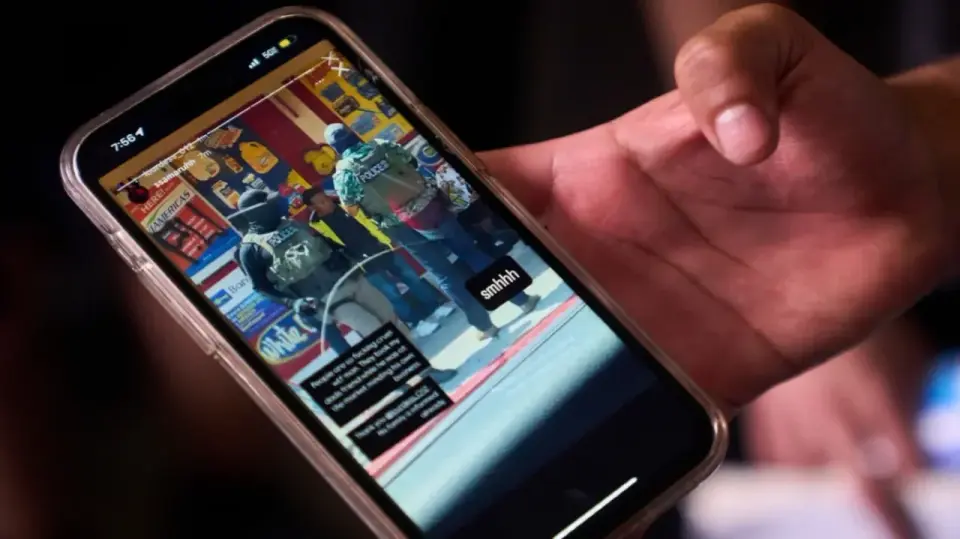
The ACLU filed a class action lawsuit in federal court on Nov. 16, 2026, challenging a secretive grand jury investigation into anonymous social media users who criticized Immigration and Customs Enforcement (ICE). The suit, unsealed on Nov. 25 and publicly filed on Nov. 27, alleges that the Trump administration is using grand jury subpoenas to unmask critics and retaliate against protected political speech. The case names U.S. Attorney Jeanine Pirro, Attorney General Todd Blanche, and DHS Secretary Markwayne Mullin as defendants. A hearing on a preliminary injunction is scheduled for Jan. 6, 2027.
Key points
- The ACLU filed a class action lawsuit on Nov. 16, 2026, in the U.S. District Court for the District of Columbia, challenging grand jury subpoenas sent to Bluesky, X, and Meta to identify anonymous users who criticized ICE. The case was unsealed on Nov. 25, and public filings were posted on Nov. 27.
- The lawsuit alleges that the federal government is conducting a 'bad-faith' investigation, referred to as 'Investigation 18' or 'USAO # 18,' to unmask and intimidate online critics of immigration enforcement. The ACLU claims the government issued hundreds of administrative subpoenas in the past year, shifting to grand jury subpoenas after facing pushback from users and tech companies.
- The suit names U.S. Attorney Jeanine Pirro, Attorney General Todd Blanche, and DHS Secretary Markwayne Mullin as defendants. It seeks a preliminary injunction to halt the investigation and an order to expunge all records collected on the plaintiffs. The government has until Dec. 14 to respond in writing, and a hearing is scheduled for Jan. 6, 2027.
- The four unnamed plaintiffs, represented by the ACLU, ACLU of DC, and ACLU of Northern California, posted critical content on social media, including statements like 'Burn ICE to the ground' and 'Looks like a rabid dog foaming at the mouth.' The ACLU argues these posts are protected under the First Amendment and that the subpoenas violate the First and Fourth Amendments.
- The ACLU describes the grand jury subpoenas as a more secretive and difficult-to-challenge process compared to administrative subpoenas, which were withdrawn in some cases after court challenges. The organization argues the government is weaponizing the grand jury process to retaliate against dissenters, setting a dangerous precedent for free speech.
Background
This lawsuit is part of a broader pattern of federal actions targeting online critics of immigration enforcement. In October 2026, the ACLU filed a petition with the Supreme Court to defend the right to protest, and in November 2026, it released a video of ICE agents slashing observers' tires in Oregon. The case also follows a coalition lawsuit in October 2026 challenging federal election interference, which was assigned to the same judge, James E. Boasberg. Markwayne Mullin, named as a defendant, assumed the role of DHS Secretary in March 2026, succeeding Kristi Noem, and has faced scrutiny for his stance on immigration enforcement and birthright citizenship.
How outlets are covering it
The ACLU and its affiliates, including the ACLU of DC and ACLU of Northern California, argue that the grand jury subpoenas are an 'alarming abuse of power' and a 'bad-faith fishing expedition' designed to retaliate against protected political speech. They emphasize that the First Amendment guarantees the right to criticize the government anonymously and that the subpoenas violate both the First and Fourth Amendments. In contrast, the Trump administration has not publicly responded to the lawsuit, but the ACLU notes that the government shifted to grand jury subpoenas after facing pushback to administrative subpoenas, suggesting a strategic move to avoid judicial scrutiny. Al Jazeera and The Hill report the facts of the lawsuit and the ACLU's claims, while immigration-analytics.com provides detailed legal analysis, noting that the case tests whether a judge can require prosecutors to show prima facie evidence of a crime before unmasking a speaker. The sources agree on the core facts of the lawsuit but differ in emphasis: the ACLU focuses on the constitutional violations, while immigration-analytics.com highlights the legal and procedural challenges of enjoining a grand jury investigation in a civil case.
Why it matters
The lawsuit tests the limits of the government's power to use grand jury subpoenas to unmask anonymous online critics, raising significant First Amendment and Fourth Amendment issues. If the court rules in favor of the ACLU, it could sharply narrow how investigators identify anonymous critics of immigration enforcement and set a precedent for protecting free speech online. The case also highlights the tension between national security concerns and civil liberties, as the government argues that the subpoenas are necessary to address threats to law enforcement officer safety. The outcome could have broader implications for the use of grand jury subpoenas in other contexts and for the balance between government surveillance and individual privacy.
What to watch
The government has until Dec. 14, 2026, to respond in writing to the ACLU's allegations. A hearing on the preliminary injunction is scheduled for Jan. 6, 2027, before Chief Judge James E. Boasberg. The court's decision will determine whether the grand jury investigation can continue or must be halted, and whether the government must show prima facie evidence of a crime before unmasking any speaker. The case may also lead to further legal challenges from other organizations or individuals who have been targeted by similar subpoenas.
- ACLU sues Trump administration over investigations into online ICE critics The Hill
- Lawsuit Alleges Sprawling Federal Grand Jury Investigation into Anonymous ICE Critics Online American Civil Liberties Union
- US civil rights group challenges ICE subpoenas as attack on speech Al Jazeera
- Grand Jury Subpoenas to Unmask ICE Critics Challenged by ACLU immigration-analytics.com
- 'Shocked and scared': New filing exposes Trump DOJ's secret push to unmask critics Raw Story
Want the full story? Read the original reporting
Read on The Hill