
Clancy Trial Day 13: Digital Forensics and Journal Entries Center on Mental State
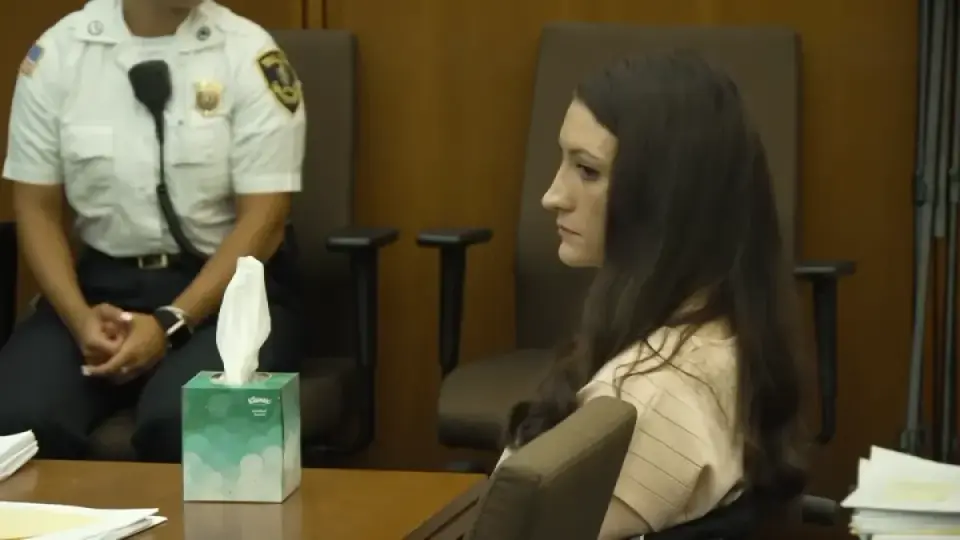
The Lindsay Clancy murder trial entered its 13th day with testimony focused on digital evidence from her phone and family tablet. Prosecutors presented data suggesting Clancy searched for suicide methods and psychiatric medications, while the defense highlighted journal entries and searches for mental health symptoms to support a postpartum psychosis defense. Clancy, who is paralyzed from a jump after killing her three children, broke down during earlier autopsy testimony. The prosecution is nearing the end of its case, with court resuming Monday after a weekend recess.
Key points
- State Police Sgt. Timothy Chiappini testified that Clancy’s phone contained journal entries expressing depression and guilt over parenting, alongside searches for medications like Seroquel and Zoloft.
- Sgt. Kyle Pavao confirmed a family tablet accessed a Wikipedia page for 'suicide methods' in August 2022, linked via a search for country singer Tom Hall, who died by suicide.
- Defense attorney Kevin Reddington cross-examined witnesses on searches for 'schizophrenia' and 'psychosis,' arguing these indicate a deteriorating mental state rather than premeditation.
- Prosecutors noted Clancy’s mother texted her 'nice to see you doing better' days before the killings, contradicting the defense narrative of severe psychosis.
- Judge William Sullivan adjourned court for the weekend, with testimony set to resume Monday morning.
Background
The trial has been ongoing since August 2026, with previous weeks focusing on medical examiner testimony and psychiatric treatment histories. Clancy is accused of strangling her children, Cora, Dawson, and Callan, on Jan. 24, 2023, before jumping from a window. The defense has consistently argued she was suffering from bipolar disorder and postpartum psychosis, while prosecutors maintain she acted with intent. Earlier testimony highlighted gaps in her psychiatric care and medication management.
How outlets are covering it
NBC Boston and Boston.com emphasized the digital forensics, noting the prosecution’s focus on specific searches and the defense’s counter-argument regarding mental health symptoms. Boston Herald highlighted the emotional impact of the trial on Clancy, who sobbed during autopsy testimony. WBUR provided broader context on postpartum psychosis, noting that experts view Clancy’s case as a missed diagnosis and highlighting the lack of DSM recognition for the condition. All sources agree on the core facts of the digital evidence but differ in emphasis: prosecutors view the searches as evidence of planning, while the defense and mental health experts frame them as signs of a deteriorating mental state.
Why it matters
The trial highlights the legal and medical complexities of postpartum psychosis, a condition often misdiagnosed or unrecognized. The outcome will influence how courts and medical professionals assess mental health defenses in cases involving severe mental illness and violence. It also underscores the need for better screening and treatment for postpartum mental health disorders.
What to watch
The prosecution is expected to rest its case soon, after which the defense will present its case. Court is scheduled to resume on Monday, with no session on Friday. The trial is expected to continue for several more days before closing arguments.
- Lindsay Clancy trial livestream, live updates: Testimony about computer searches, cellphone data NBC Boston
- State Police investigator testifies about Lindsay Clancy’s Internet searches and text messages. Follow live updates. The Boston Globe
- Livestream: Lindsay Clancy murder trial continues after graphic testimony about children’s autopsies Boston.com
- ‘I can’t do it’: Lindsay Clancy breaks down during autopsy testimony Boston Herald
- Clancy trial highlights postpartum psychosis and barriers to care for mothers WBUR
Want the full story? Read the original reporting
Read on NBC Boston