
Jury convicts Jonathan Rinderknecht of arson in 2025 Palisades Fire retrial
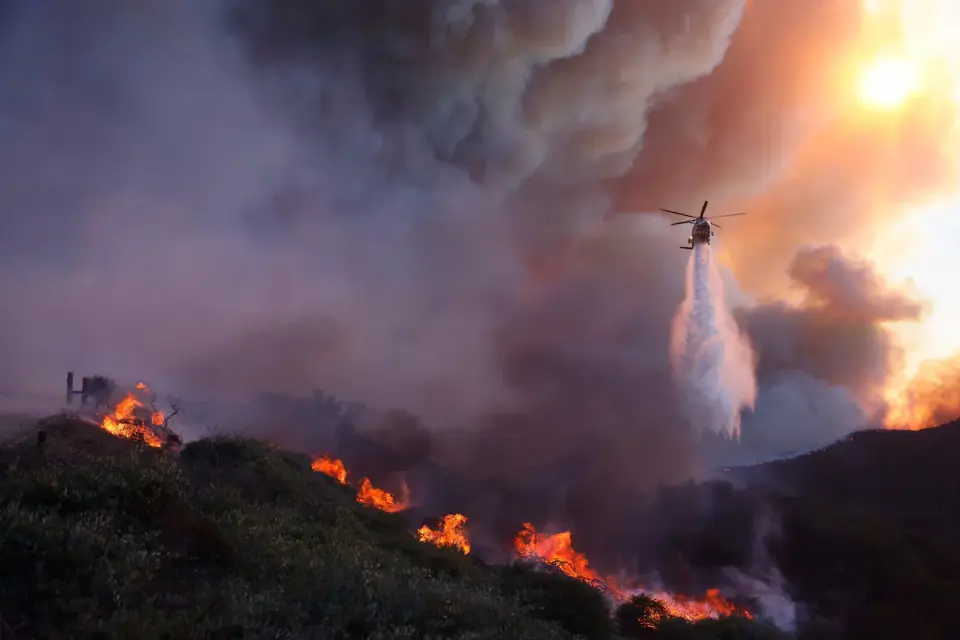
A federal jury has convicted 30-year-old Jonathan Rinderknecht of arson and destruction of property for starting the 2025 Palisades Fire, one of the most destructive wildfires in California history. The verdict follows a retrial after a previous jury deadlocked in June 2026. Prosecutors alleged Rinderknecht intentionally ignited a small brush fire on January 1, 2025, which smoldered underground before reigniting six days later into the massive blaze that killed 12 people and destroyed over 6,800 buildings. Rinderknecht, who pleaded not guilty, faces sentencing on March 17, 2027, with potential prison time ranging from five to 40 years. The case highlights the legal challenges in proving wildfire origins and the emotional toll on affected communities.
Key points
- Jonathan Rinderknecht, 30, was convicted on two federal arson counts related to the 2025 Palisades Fire after a retrial.
- The initial trial ended in a mistrial in June 2026 due to a deadlocked jury; prosecutors narrowed the charges for the retrial.
- Prosecutors alleged Rinderknecht started the Lachman Fire on January 1, 2025, which smoldered underground and reignited on January 7, 2025, becoming the Palisades Fire.
- The Palisades Fire killed 12 people, burned over 23,000 acres, and destroyed more than 6,800 buildings, with estimated damages at $25 billion.
- Rinderknecht faces sentencing on March 17, 2027, with a mandatory minimum of five years and a maximum of 40 years in federal prison.
- Defense attorney Steve Haney expressed disappointment but respected the jury’s decision, and the defense is considering an appeal.
Background
The 2025 Palisades Fire was part of a series of devastating wildfires in Los Angeles that year, including the Eaton Fire, which killed 19 people. The fires were fueled by strong Santa Ana winds and dry conditions. Previous coverage noted the legal complexities in proving the origin of such large-scale wildfires and the emotional impact on communities. The retrial followed a mistrial in June 2026, where the first jury deadlocked 10 to 2 in favor of acquittal. Prosecutors argued that the first jury acted improperly by considering evidence not presented in court.
How outlets are covering it
The Washington Post and ABC News emphasized the scale of the destruction and the prosecutors’ confidence in the evidence, including geolocation data and witness testimony. BBC highlighted the emotional toll on victims and the political implications of the case. NPR focused on the jury’s deliberation process, noting that one juror initially doubted Rinderknecht’s guilt but was convinced by his own testimony. Defense attorney Steve Haney argued that the fire’s origin was unproven and that the scene could have been compromised, while prosecutors countered that Rinderknecht’s erratic behavior and digital evidence pointed to his guilt. All sources agreed on the conviction but differed in their emphasis on the legal and emotional aspects of the case.
Why it matters
The conviction of Jonathan Rinderknecht marks a significant legal milestone in the aftermath of the 2025 Palisades Fire, one of the most destructive wildfires in California history. It underscores the challenges in proving arson in large-scale wildfires and the emotional toll on affected communities. The case also highlights the legal strategies used by prosecutors and defense in high-profile criminal cases, and the potential for appeals. The conviction may influence future wildfire litigation and public policy on fire safety and prevention.
What to watch
Rinderknecht is scheduled to be sentenced on March 17, 2027. The defense is considering an appeal, and the case may face further legal challenges. The conviction may influence future wildfire litigation and public policy on fire safety and prevention. The emotional and financial impact on affected communities will continue to be a focus, with ongoing efforts to rebuild and recover from the devastation.
- Man convicted of starting deadly Palisades fire in California The Washington Post
- Palisades fire: Man guilty of starting one of California's deadliest blazes BBC
- Man accused of starting blaze that became Palisades Fire found guilty of arson in retrial ABC News - Breaking News, Latest News and Videos
- Federal jury convicts man of starting the deadly 2025 Palisades Fire in Los Angeles NPR
- Man found guilty of starting Palisades Fire in federal prosecutors' second attempt NBC Los Angeles
Want the full story? Read the original reporting
Read on The Washington Post