
Oklahoma executes James Pavatt for 2001 murder as Texas prepares to execute John Allen Rubio
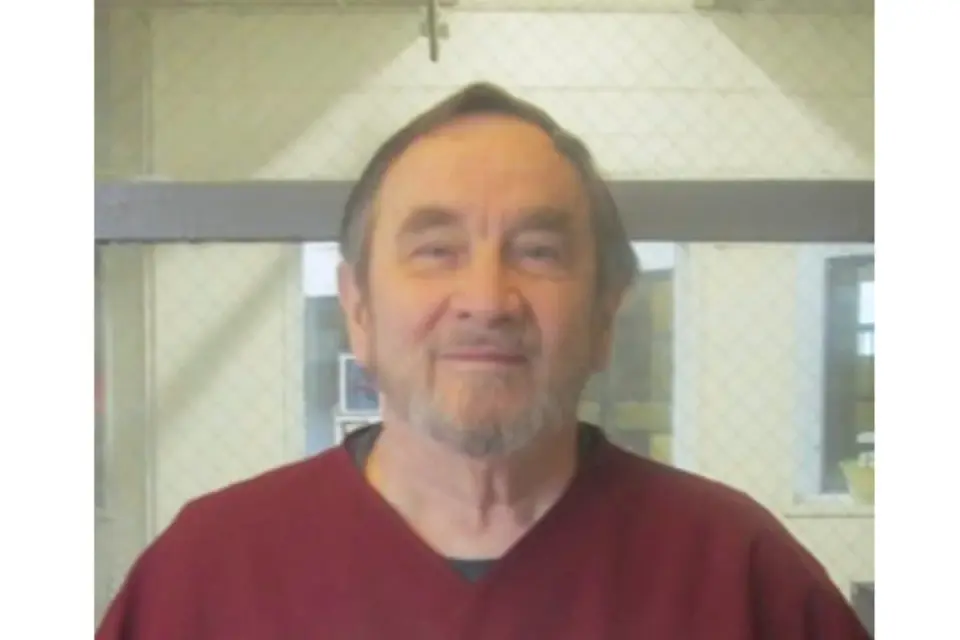
James Pavatt, 73, was executed by lethal injection in Oklahoma on November 12, 2026, for the 2001 murder of Rob Andrew. Pavatt was pronounced dead at 10:12 a.m. CST at the Oklahoma State Penitentiary in McAlester. He was convicted of first-degree murder and conspiracy, having allegedly plotted with his lover, Brenda Andrew, to kill her estranged husband to collect an $800,000 insurance policy. Pavatt maintained his innocence until his death, claiming he was manipulated by Brenda Andrew, who remains on Oklahoma’s death row. This execution was the first of two scheduled in the U.S. that day, with Texas preparing to execute John Allen Rubio later in the day for the 2003 killing of three children.
Key points
- James Pavatt was executed at 10:12 a.m. CST on November 12, 2026, at the Oklahoma State Penitentiary in McAlester.
- Pavatt was convicted of the 2001 murder of Rob Andrew, a 39-year-old advertising executive, and conspiracy to commit murder.
- Prosecutors alleged Pavatt and Brenda Andrew conspired to kill Andrew so Brenda could benefit from an $800,000 life insurance policy.
- Pavatt claimed during a clemency hearing that he was manipulated by Brenda Andrew and did not fire the shots, though he acknowledged the jury’s belief in their joint involvement.
- Brenda Andrew, the only woman on Oklahoma’s death row, was convicted in a separate trial and remains incarcerated.
- John Allen Rubio, 46, was scheduled for execution in Texas later on November 12 for the 2003 beheading of three young children in Brownsville.
Background
This execution occurs amid renewed national debate over the death penalty, following the failed execution of Christa Pike in Tennessee in September 2026. While California Governor Gavin Newsom recently announced plans to commute hundreds of death sentences, potentially the largest mass clemency in U.S. history, other states like Florida and Oklahoma continue to carry out executions at a high rate. Pavatt’s case highlights the long-standing legal battles often associated with death row inmates, including clemency hearings and appeals that can span decades. His execution marks the fourth in Oklahoma for 2026, reflecting the state’s continued use of capital punishment despite national fluctuations in policy.
How outlets are covering it
AP News and Fox News reported the execution as a procedural event, noting Pavatt’s lack of final words and the 'uneventful' nature of the process. KOCO emphasized the financial motive, highlighting the $800,000 insurance policy that prosecutors argued drove the conspiracy. KFOR focused on the legal discrepancies, with Pavatt’s attorney arguing that prosecutors failed to disclose that bullet evidence did not match Pavatt’s gun, suggesting the state’s case relied on circumstantial evidence. While all outlets agreed on the facts of the execution, they differed in emphasis: AP and Fox focused on the immediate procedural details and the concurrent Texas execution, while KOCO and KFOR highlighted the ongoing dispute over the shooter’s identity and the role of Brenda Andrew. Oklahoma Attorney General Gentner Drummond characterized the murder as 'coldly and methodically planned,' contrasting with Pavatt’s claim of being manipulated.
Why it matters
The execution of James Pavatt underscores the persistent divide in U.S. capital punishment policy, with some states moving toward mass clemency while others accelerate executions. It highlights the complexities of cases involving alleged conspiracy and disputed evidence, where the identity of the shooter remains contested even after conviction. The concurrent execution of John Allen Rubio in Texas further illustrates the national trend of surpassing 40 executions annually, driven by states like Florida and Oklahoma, despite growing public and political debate over the efficacy and morality of the death penalty. These cases also reflect the long timelines of death row litigation, with Pavatt’s case spanning 25 years from murder to execution.
What to watch
Texas is expected to carry out the execution of John Allen Rubio later on November 12, 2026, at the state prison in Huntsville. Rubio is scheduled to be put to death for the 2003 killing of three children in Brownsville. The U.S. is on track to surpass 40 executions in 2026, with Florida leading the pace. In California, Governor Gavin Newsom’s announced commutations of hundreds of death sentences are expected to proceed before he leaves office, potentially marking the largest mass clemency in American history. No further executions are scheduled in Oklahoma for the immediate future, but the case of Brenda Andrew remains active, as she is the only woman on the state’s death row.
- Oklahoma man is put to death for killing of girlfriend’s husband, with a Texas execution to follow AP News
- Death row inmate James Pavatt executed for high-profile 2001 OKC murder KOCO
- Oklahoma man is put to death over a 2001 killing, the first in a pair of US executions 9News
- Oklahoma man, 73, executed for plotting murder of lover's husband, offers no last words Fox News
- State to execute man convicted of killing Oklahoma City advertising executive KFOR
Want the full story? Read the original reporting
Read on AP News