
Illinois Board Denies Cancer-Sick Deputy Early Release in Sonya Massey Case
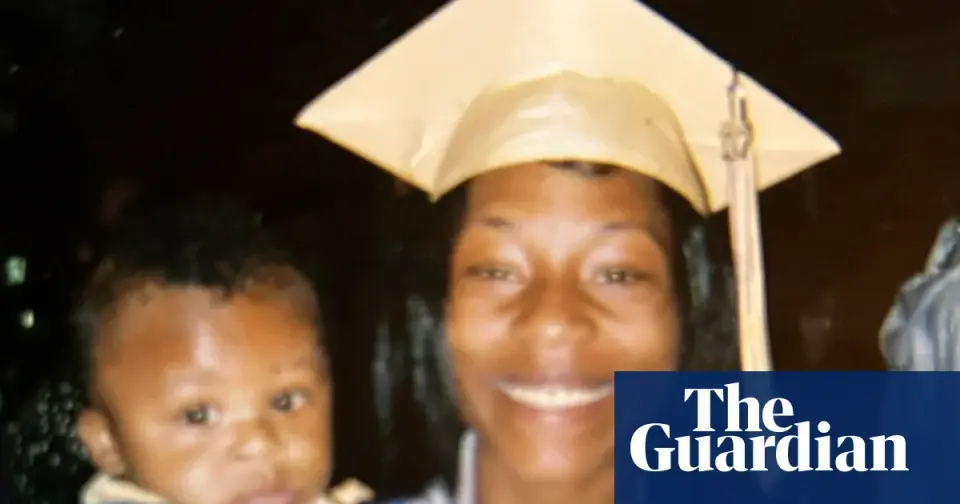
The Illinois Prisoner Review Board unanimously denied Sean Grayson’s request for early medical release, keeping him in prison for his 20-year sentence for the 2024 killing of Sonya Massey. Grayson, who has Stage 4 cancer, argued he was medically incapacitated, but prosecutors and Massey’s family opposed the move, citing his danger to the public and lack of remorse. The decision follows a contentious trial where body-camera footage showed Grayson shooting Massey in the face after she moved a pot of hot water. While the family expressed relief, they warned Grayson could re-apply, and the case remains under appellate review.
Key points
- The three-member Illinois Prisoner Review Board voted 3-0 on July 31 to deny Sean Grayson’s application for early medical release under the Joe Coleman Act.
- Grayson, a former Sangamon County sheriff’s deputy, was convicted of second-degree murder in October 2025 and sentenced to 20 years in January 2026 for killing Sonya Massey in July 2024.
- Grayson’s application, filed in May, claimed he was medically incapacitated due to Stage 4 colon cancer that had spread to his liver and lungs, though a June evaluation suggested his condition was irreversible and likely to cause death within 18 months.
- Sangamon County State’s Attorney John Milhiser opposed the release, arguing Grayson’s medical condition was already considered at sentencing and that his release would be a miscarriage of justice.
- Sonya Massey’s family, including her mother Donna Massey and cousin Sontae Massey, attended the hearing and expressed relief but warned that Grayson could re-file for release, requiring continued vigilance.
- Governor JB Pritzker stated that the board’s process adheres to the Joe Coleman Act, which allows for victim input, and reaffirmed his support for the Sonya Massey Act, which improves police hiring practices.
Background
This decision follows the October 2025 conviction of Sean Grayson, a former deputy, for the fatal shooting of Sonya Massey, a 36-year-old Black woman, in her Springfield, Illinois home. The case gained national attention due to body-camera footage showing Grayson shoot Massey in the face after she moved a pot of hot water and told him, 'I rebuke you in the name of Jesus.' The incident sparked protests over systemic racism and led to a US Department of Justice review. Grayson had previously been diagnosed with Stage 3 colon cancer in 2023, which progressed to Stage 4 by the time of his sentencing. The Illinois Prisoner Review Board’s decision is part of a broader effort to balance medical needs with public safety and victim rights, as outlined in the Joe Coleman Act.
How outlets are covering it
The Guardian and ABC News emphasized the unanimous denial and the family’s relief, while also highlighting the ongoing legal battle and the possibility of re-application. The State Journal-Register provided detailed accounts of the hearing, including family members’ emotional statements and the board’s deliberation process, noting that Grayson’s case is now with the Fourth District Appellate Court. NewsChannel20 focused on the procedural aspects, citing the Joe Coleman Act and the board’s adherence to legal requirements. All sources agreed on the core facts but differed in emphasis: The Guardian and ABC News highlighted the family’s perspective and the broader implications for police accountability, while the State Journal-Register and NewsChannel20 focused on the procedural and legal details. The family’s attorneys, Ben Crump and Antonio Romanucci, stated that the board’s decision recognized the family’s long-standing demand for accountability, while Grayson’s attorney, Daniel Fultz, declined to comment.
Why it matters
The denial of Grayson’s medical release underscores the tension between medical compassion and public safety in criminal justice, particularly in cases involving police misconduct. It highlights the role of the Joe Coleman Act in ensuring victim input in such decisions and reflects ongoing efforts to reform police hiring practices through the Sonya Massey Act. The case also serves as a reminder of the systemic issues faced by Black Americans in interactions with law enforcement, as noted by Governor Pritzker. The family’s continued vigilance and the possibility of re-application indicate that the legal and emotional toll of the case will persist, influencing future policies on medical release and police accountability.
What to watch
Grayson can re-file for medical release, and his case is currently under review by the Fourth District Appellate Court. The Massey family plans to monitor any future applications and ensure that Grayson is denied each time. The Sonya Massey Act, signed by Governor Pritzker in August 2025, will continue to influence police hiring practices across Illinois, aiming to prevent similar tragedies. The case may also face further legal challenges as the appellate process unfolds, potentially setting precedents for medical release in high-profile criminal cases.
- Illinois officer who killed Sonya Massey denied medical release from prison The Guardian
- Illinois Prisoner Review Board votes to deny Grayson release The State Journal-Register
- Former deputy convicted of murdering Sonya Massey denied early release ABC News - Breaking News, Latest News and Videos
- UPDATE: Massey family reacts to Prisoner Review Board’s denial of Sean Grayson’s release from prison WCIA.com
- Sean Grayson denied medical release newschannel20.com
Want the full story? Read the original reporting
Read on The Guardian