
Cornell Victim's 2024 Police Statement Reveals New Details in Gang-Rape Case
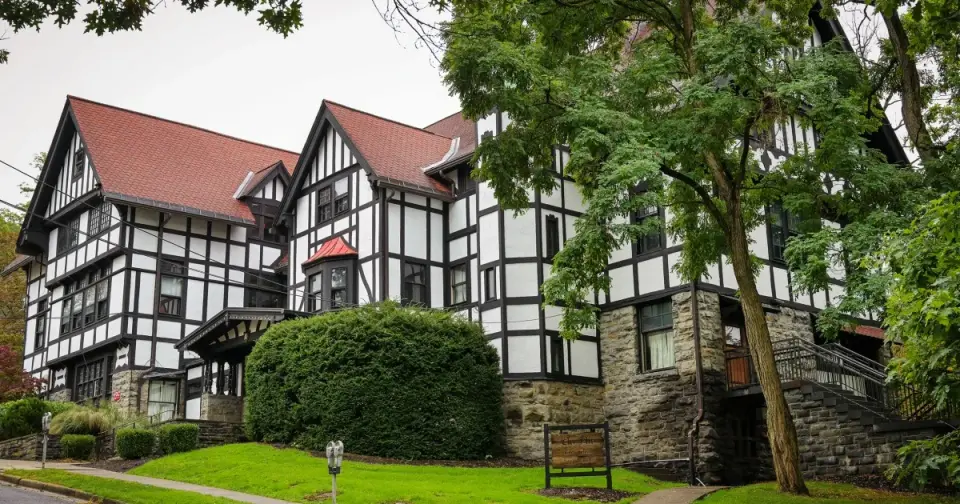
A former Cornell student, Jane Doe, provided a sworn statement to campus police in November 2024 detailing an alleged gang rape at a Chi Phi fraternity house in October 2024. The statement, obtained by NBC News, describes a night where Doe initially consented to a threesome but later felt incapacitated by alcohol and ketamine, leading to a non-consensual encounter with multiple men. The Tompkins County District Attorney, Matthew Van Houten, has reopened the criminal investigation after reviewing the statement and a separate transcript where Doe stated she was '100% confident' she was raped. Van Houten previously declined to charge based on a six-page statement he deemed consensual, but now acknowledges the transcript may change the picture. Cornell University has agreed to an independent investigation into its handling of the case, while the Chi Phi chapter remains suspended.
Key points
- Jane Doe's sworn statement to Cornell police in November 2024 describes a night where she initially consented to a threesome but later felt incapacitated by alcohol and ketamine, leading to a non-consensual encounter with multiple men.
- The Tompkins County District Attorney, Matthew Van Houten, has reopened the criminal investigation after reviewing the statement and a separate transcript where Doe stated she was '100% confident' she was raped.
- Van Houten previously declined to charge based on a six-page statement he deemed consensual, but now acknowledges the transcript may change the picture.
- Cornell University has agreed to an independent investigation into its handling of the case, while the Chi Phi chapter remains suspended.
- The case has drawn national criticism, with Rep. Alexandria Ocasio-Cortez condemning a 'culture of rape' on elite campuses.
Background
The case has been ongoing since October 2024, when Jane Doe alleged she was gang-raped at a Chi Phi fraternity house. In September 2026, she filed a civil lawsuit against Cornell University and seven Chi Phi fraternity members, alleging she was drugged and assaulted. The lawsuit has sparked national furor over the university's and the district attorney's handling of the case. Cornell conducted a Title IX investigation, which resulted in expulsions and suspensions, but the criminal investigation initially ended without charges. The case has also reignited debate over New York's treatment of sexual assault involving voluntarily intoxicated victims, known as the 'voluntary intoxication loophole'.
How outlets are covering it
NBC News emphasizes the details of Jane Doe's sworn statement, highlighting her feelings of incapacitation and coercion. CBS News focuses on the discrepancy between the statement and the transcript, noting that Van Houten had not seen the transcript before his initial decision. The Times of India highlights the 'voluntary intoxication loophole' and the debate over New York's consent laws. Van Houten defends his initial decision by pointing to legal limits, while Doe's attorney, Thomas P. Giuffra, argues that the statement and lawsuit are not materially different and that investigators failed to follow up on evidence. Defense attorneys for the accused deny the allegations, with one attorney citing a hair follicle test showing no ketamine in the system of one defendant.
Why it matters
The case highlights the complexities of sexual assault cases involving voluntary intoxication and the importance of thorough investigations. It also raises questions about the handling of such cases by universities and law enforcement, and the need for legal reforms to address the 'voluntary intoxication loophole'. The reopening of the criminal investigation and the independent review by Cornell University signal a shift in the case, potentially leading to new charges and accountability.
What to watch
The Tompkins County District Attorney is preparing the case for a grand jury, with a senior prosecutor with experience in sex crimes leading the review. Cornell University has agreed to bring in outside counsel for an independent investigation into its handling of the case. The civil lawsuit is ongoing, and the defendants have not been convicted. The case may also lead to legal reforms in New York to address the 'voluntary intoxication loophole' in sexual assault cases.
- Cornell student’s 2024 statement to police reveals new details about the night of her alleged rape NBC News
- Cornell Students Question Greek Life Culture After Sexual Assault Claim The New York Times
- Exclusive video obtained of Cornell fraternity's text chain in alleged gang rape investigation CBS News
- Canandaigua man named in lawsuit over gang rape allegations at Cornell University 13wham.com
- Rape case rocks Cornell: New transcript reveals victim informed police; fresh spotlight on DA’s decision not to charge The Times of India
Want the full story? Read the original reporting
Read on NBC News