
Sean Grayson, convicted in Sonya Massey’s 2024 killing, dies at 32
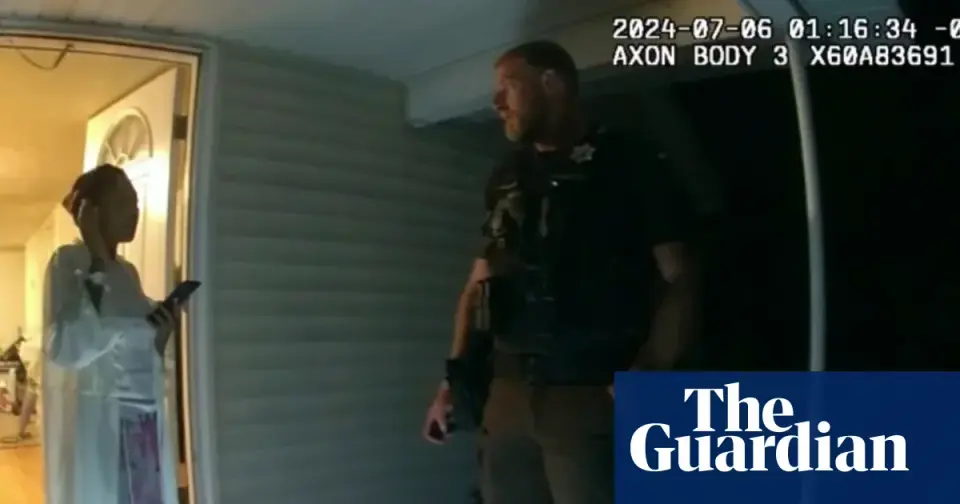
Sean Grayson, the former Illinois sheriff’s deputy convicted of fatally shooting Sonya Massey in 2024, has died at age 32. He was serving a 20-year sentence for second-degree murder when he passed away on August 23, 2026, six months into his term. Grayson had been diagnosed with stage three colon cancer in 2023, which had spread to his liver and lungs by the time of his sentencing in January 2026. Although he was denied medical release in July 2026, his death has not been officially attributed to the cancer, as no cause of death has been released. The case, which involved body-camera footage of the fatal encounter, sparked national protests and led to the passage of the Sonya Massey Act, mandating stricter background checks for law enforcement hires in Illinois.
Key points
- Sean Grayson died on August 23, 2026, at age 32, while serving a 20-year sentence for the second-degree murder of Sonya Massey.
- Grayson was diagnosed with stage three colon cancer in 2023; by January 2026, the cancer had metastasized to his liver and lungs.
- The Illinois Prisoner Review Board denied Grayson’s request for medical release in July 2026, citing the circumstances of the case.
- Sonya Massey was shot in her home in Springfield, Illinois, on July 6, 2024, after calling 911 to report a prowler; the incident was captured on body-camera footage.
- The case prompted the Illinois legislature to pass the Sonya Massey Act, which requires stricter background checks for law enforcement hires, and resulted in a $10 million settlement for Massey’s family in early 2025.
Background
The death of Sean Grayson follows a legal and political trajectory that began with the fatal shooting of Sonya Massey in July 2024. Massey, a 36-year-old Black woman, was killed by Grayson, a white deputy, after a confrontation in her home in Springfield, Illinois. The incident, which was recorded on body-camera footage, showed Grayson firing three shots at Massey after she picked up a pot of boiling water and uttered the phrase 'I rebuke you in the name of Jesus,' which Grayson interpreted as a threat. The case sparked widespread protests and a U.S. Department of Justice review. In January 2026, Grayson was sentenced to 20 years in prison, where he disclosed his stage three colon cancer diagnosis. His subsequent denial of medical release in July 2026 highlighted the tension between medical necessity and judicial accountability in high-profile cases.
How outlets are covering it
The Guardian and NBC News both confirm Grayson’s death and his prior cancer diagnosis, but the Washington Post emphasizes the lack of a released cause of death, noting that while cancer was a factor, it was not confirmed as the immediate cause. The Guardian highlights the legal and political aftermath, including the Sonya Massey Act and the $10 million settlement, while NBC News focuses on the procedural details of his sentencing and the denial of medical release. All three outlets agree that Grayson was six months into his 20-year sentence at the time of his death, but they differ in emphasis: The Guardian and Washington Post stress the systemic implications, while NBC News centers on the legal proceedings and the prisoner review board’s decision.
Why it matters
Grayson’s death underscores the ongoing debate over accountability and medical release in cases involving police violence. The Sonya Massey Act, signed by Illinois Governor JB Pritzker, represents a legislative response to the case, aiming to prevent similar incidents through stricter hiring standards. The $10 million settlement and the denial of medical release reflect the tension between compassion for the convicted and justice for the victim. The case continues to serve as a focal point for discussions on racial justice, police conduct, and the limits of medical exemptions in criminal sentencing.
What to watch
There are no immediate legal proceedings expected, as Grayson’s death concludes his criminal case. However, the Sonya Massey Act will continue to influence law enforcement hiring practices in Illinois. The Massey family’s legal team, including attorneys Ben Crump and Antonio Romanucci, may continue to advocate for broader reforms in police accountability. The case may also inform future debates on medical release policies for inmates with serious illnesses, particularly in cases involving violence against civilians.
- Former Illinois sheriff’s deputy who killed Sonya Massey in her home dies aged 32 The Guardian
- Sean Grayson, former deputy convicted of killing Sonya Massey, dies in prison, lawyer says NPR
- Illinois man at the center of a national controversy is making headlines again Cleveland.com
- Illinois officer convicted in Sonya Massey killing has died, lawyer says The Washington Post
- Sean Grayson, ex-deputy convicted of fatally shooting Sonya Massey, dies, attorney says NBC News
Want the full story? Read the original reporting
Read on The Guardian