
Sean Grayson, ex-deputy convicted in Sonya Massey killing, dies in prison at 32
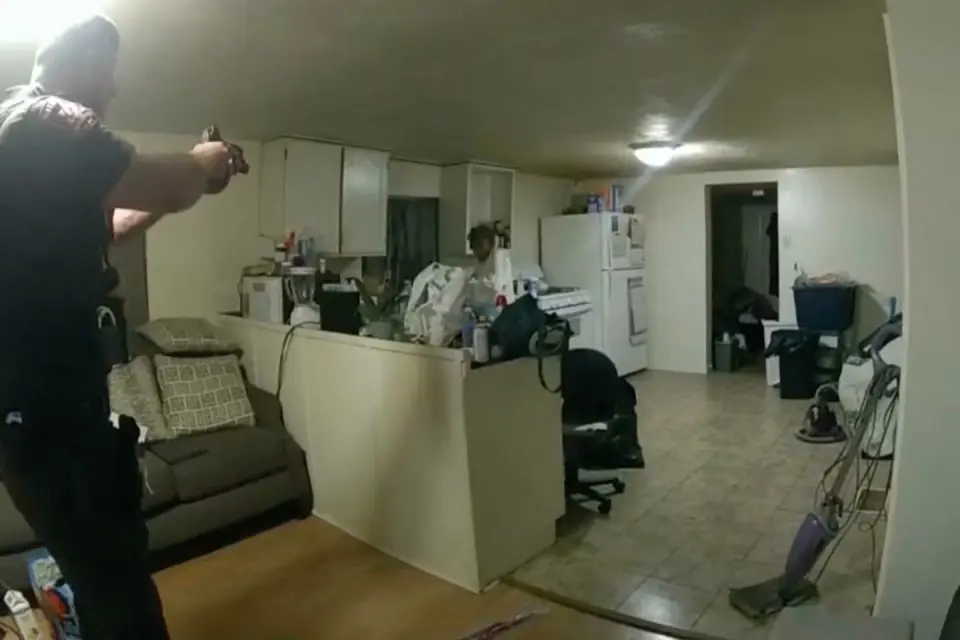
Sean Grayson, the former Illinois sheriff’s deputy convicted of fatally shooting Sonya Massey in 2024, has died in prison at age 32. He was six months into a 20-year sentence for second-degree murder. Grayson had been diagnosed with stage three colon cancer in 2023 and was denied medical release in July 2026. The cause of death has not been officially released, though his attorney confirmed the news. The case, which sparked national protests and led to the Sonya Massey Act, remains a focal point for discussions on police accountability and racial justice.
Key points
- Sean Grayson died in prison on August 23, 2026, at age 32, according to his attorney Daniel Fultz.
- Grayson was serving a 20-year sentence for second-degree murder after fatally shooting Sonya Massey in July 2024.
- He had been diagnosed with stage three colon cancer in 2023, which had spread to his liver and lungs by the time of his sentencing in January 2026.
- The Illinois Prisoner Review Board denied Grayson’s request for medical release in July 2026, citing concerns about public safety.
- The shooting of Massey, a Black woman, by Grayson, a white deputy, was captured on body camera and led to widespread protests and the passage of the Sonya Massey Act in Illinois.
- Massey’s family and legal representatives condemned the denial of medical release, calling it an insult to Massey’s memory.
Background
The Sonya Massey case gained national attention in 2024 after body camera footage showed Grayson shooting Massey in her home in Springfield, Illinois, after she called 911 to report a prowler. The incident sparked protests and a U.S. Department of Justice review. In 2025, Illinois Governor JB Pritzker signed the Sonya Massey Act, mandating stricter background checks for law enforcement hires. Sangamon County also agreed to a $10 million settlement with Massey’s family. Grayson was convicted in 2025 and sentenced in January 2026. In July 2026, he was denied medical release despite a diagnosis of stage three colon cancer, with prosecutors and Massey’s family opposing the request.
How outlets are covering it
The Washington Post and NBC News reported Grayson’s death without specifying the cause, noting his prior cancer diagnosis. The Guardian provided additional details, stating that Grayson’s cancer had spread to his liver and lungs by the time of his sentencing. All sources agreed that the Illinois Prisoner Review Board denied his medical release in July 2026. Massey’s family and their attorneys, Ben Crump and Antonio Romanucci, criticized the denial, calling it a miscarriage of justice. Illinois Governor JB Pritzker acknowledged the legal requirement to consider medical release but emphasized the need for justice in cases involving unarmed Black victims. The Associated Press contributed to the reporting, but no significant disagreements among outlets were noted.
Why it matters
The death of Sean Grayson in prison underscores ongoing debates about police accountability, racial justice, and the treatment of incarcerated individuals with serious illnesses. The Sonya Massey case has become a symbol of the need for reform in law enforcement practices, particularly regarding the use of force and the handling of 911 calls. The denial of medical release for Grayson, despite his terminal diagnosis, highlights tensions between public safety concerns and the rights of prisoners. The case continues to influence policy, as seen in the passage of the Sonya Massey Act, and serves as a reminder of the broader issues of systemic racism and police brutality in the United States.
What to watch
The cause of Grayson’s death has not been officially released, and there may be further inquiries or statements from prison authorities. The Sonya Massey Act is expected to continue shaping law enforcement hiring practices in Illinois. Massey’s family may pursue additional legal actions or advocacy efforts related to the case. The broader implications of the case for police reform and racial justice will likely remain a topic of public and political discourse.
- Illinois officer convicted in Sonya Massey killing has died, lawyer says The Washington Post
- Ex-deputy convicted in Sonya Massey killing dies in prison Yahoo
- Former Illinois sheriff’s deputy who killed Sonya Massey in her home dies aged 32 The Guardian
- Sean Grayson, ex-deputy convicted of fatally shooting Sonya Massey, dies, attorney says NBC News
- Ex-deputy convicted of killing Sonya Massey dies in prison, lawyer says WMUR
Want the full story? Read the original reporting
Read on The Washington Post