
Jury convicts Jonathan Rinderknecht of arson in deadly 2025 Los Angeles wildfires
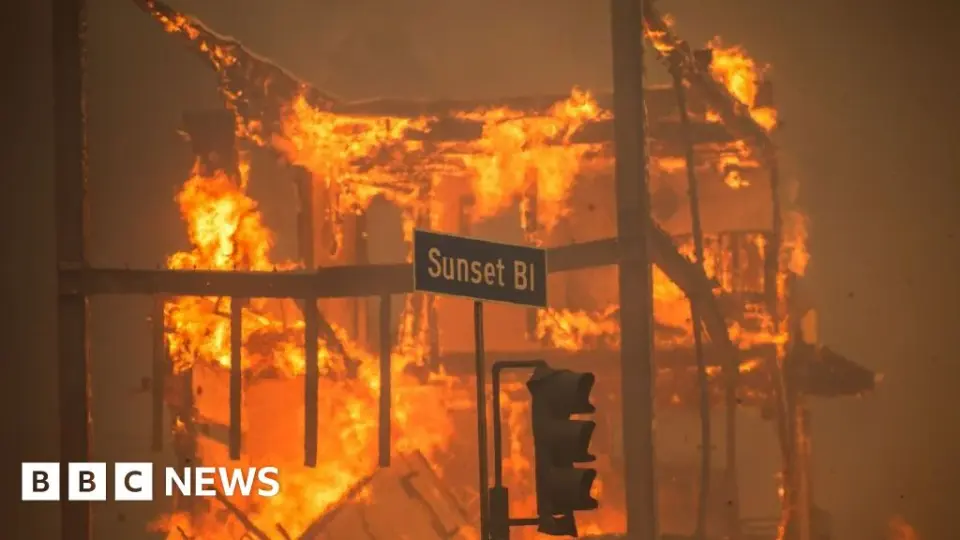
A federal jury in Los Angeles has convicted 30-year-old Jonathan Rinderknecht of two arson charges related to the catastrophic January 2025 wildfires that killed 12 people and destroyed over 6,800 buildings in the Pacific Palisades and Malibu areas. The verdict, reached after two days of deliberation, follows a mistrial in June 2026. Prosecutors alleged Rinderknecht, a former ride-share driver, deliberately ignited a brush fire on New Year's Day 2025 using a lighter, which smoldered underground before reigniting into the massive Palisades fire. Rinderknecht, who pleaded not guilty, faces sentencing on March 17, 2027, with potential prison terms of five to 20 years per count. While the conviction offers some closure, many residents and officials emphasize that it does not address broader failures in emergency response or provide adequate justice for the scale of the disaster.
Key points
- Jonathan Rinderknecht was found guilty of two federal arson charges: destruction of property by fire and arson affecting property used in interstate commerce.
- The conviction comes after a first trial in June 2026 ended in a mistrial due to a deadlocked jury (10-2 in favor of acquittal).
- Prosecutors argued Rinderknecht started the initial 'Lachman fire' on January 1, 2025, which was initially extinguished but reignited six days later as the Palisades fire.
- The Palisades fire killed 12 people and destroyed 6,837 structures, part of a broader series of fires that killed 31 people and destroyed 16,000 structures in the region.
- Rinderknecht is scheduled to be sentenced on March 17, 2027, facing a minimum of five years and a maximum of 20 years for each count.
- Defense attorney Steve Haney argued that the fire was likely caused by fireworks and that prosecutors lacked direct physical evidence linking Rinderknecht to the ignition.
Background
The January 2025 Los Angeles wildfires, including the Palisades and Eaton fires, were among the most destructive in California's history, exacerbated by Santa Ana winds. The disaster led to significant political fallout, including the defeat of Los Angeles Mayor Karen Bass in the subsequent mayoral race, with many voters citing her absence during the crisis as a key factor. The current conviction is part of ongoing legal proceedings related to the fires, with civil lawsuits from survivors still pending. Recent archive articles note that California continues to face wildfire risks, with multiple blazes reported in October 2026 due to similar wind conditions, highlighting the persistent threat of wildfires in the region.
How outlets are covering it
BBC and The New York Times emphasize the significance of the conviction as a victory for federal prosecutors and a measure of accountability for victims, noting the shift in prosecution strategy for the retrial, which dropped a third charge and narrowed the focus to the initial brush fire. KTLA highlights the defense's argument that the fire was caused by fireworks and the lack of direct evidence, while also noting the community's mixed reactions to the verdict. The Guardian focuses on the broader context of the fire department's failures and the civil lawsuits from survivors, suggesting that the criminal conviction may not significantly impact these legal proceedings. All sources agree on the basic facts of the conviction and the severity of the disaster but differ in their emphasis on the prosecution's strategy, the defense's arguments, and the broader implications for the community and legal system.
Why it matters
The conviction of Jonathan Rinderknecht marks a significant legal milestone in the aftermath of one of California's deadliest and most destructive wildfires. It provides a sense of closure for some victims and survivors, but also highlights the complexities of attributing responsibility for large-scale disasters. The case underscores the challenges in prosecuting arson in cases where fires spread rapidly and cause widespread damage, as well as the ongoing debate over the role of emergency services and government response in mitigating such disasters. The verdict may influence future legal proceedings related to the fires and could have implications for public policy and emergency preparedness in California.
What to watch
Jonathan Rinderknecht is scheduled to be sentenced on March 17, 2027. His defense team has indicated they will review options for an appeal. Civil lawsuits from fire survivors and victims' families are ongoing, with some attorneys arguing that the criminal conviction does not affect the civil cases, which focus on the failures of emergency response and government protection. The broader community in Pacific Palisades and Malibu continues to rebuild, with many residents still displaced and struggling to recover from the disaster. The case may also influence future discussions on wildfire prevention and emergency response in California.
- Palisades fire: Man guilty of starting one of California's deadliest blazes BBC
- Jury in Palisades Fire Trial Finds Man Guilty of Arson in Devastating Blaze The New York Times
- Jonathan Rinderknecht found guilty of sparking blaze that became deadly Palisades Fire KTLA
- Man accused of sparking deadly Los Angeles wildfire found guilty The Guardian
- Palisades arson retrial ends with conviction of man accused of sparking deadly wildfire Los Angeles Times
Want the full story? Read the original reporting
Read on BBC