
Illinois board rejects medical release for ex-deputy in Sonya Massey case
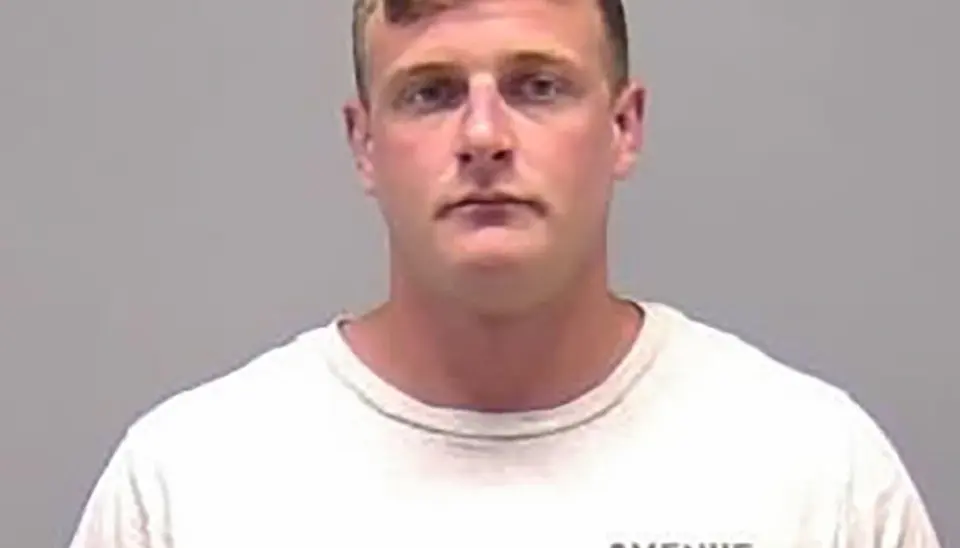
The Illinois Prisoner Review Board unanimously denied Sean Grayson, a former sheriff’s deputy convicted of murdering Sonya Massey, an early medical release. Grayson, serving a 20-year sentence, sought release under the Joe Coleman Act due to advanced cancer. The board rejected his application, and Massey’s family expressed relief but warned of potential future appeals.
Key points
- The three-member Illinois Prisoner Review Board voted 3-0 to deny Sean Grayson’s request for medical release on July 31, 2026.
- Grayson, a former Sangamon County deputy, was convicted of second-degree murder in October 2025 for the 2024 shooting of Sonya Massey.
- Grayson, 32, has Stage 4 rectal cancer that has spread to his liver and lungs, with a medical evaluation predicting death within 18 months.
- The Massey family, including Sonya’s parents and cousin, attended the hearing and opposed the release, stating they will continue to fight any future applications.
- Grayson’s application claimed Massey attacked him with a pot of boiling water, contradicting body-camera footage that showed her moving away from the stove.
Background
This decision follows the October 2025 conviction of Sean Grayson, who was sentenced to 20 years in January 2026. The case gained national attention after body-camera footage revealed Grayson shot Sonya Massey, a 36-year-old Black woman, in her home after she called 911 about a possible intruder. In August 2025, Governor JB Pritzker signed the Sonya Massey Act to improve law enforcement hiring reviews. Grayson’s medical release request was filed in May 2026 under the Joe Coleman Act, which allows prisoners with terminal illnesses to seek early release.
How outlets are covering it
The Chicago Sun-Times reported the denial but provided limited details on the hearing. The State Journal-Register detailed the family’s emotional response, including James Wilburn’s call for Grayson to serve his full sentence and Donna Massey’s statement about her depression. The Guardian highlighted the contradiction between Grayson’s claim that Massey attacked him with boiling water and the body-camera footage showing her moving away from the stove. ABC News emphasized the family’s fear that Grayson may reapply for release, with Sontae Massey stating they must ensure he is denied each time. All sources agreed on the unanimous denial but differed in focus: The State Journal-Register centered on the family’s trauma, The Guardian on the factual discrepancies, and ABC News on the ongoing legal battle.
Why it matters
The denial underscores the tension between medical clemency and public safety in high-profile cases. It highlights the role of the Joe Coleman Act in balancing prisoner health with victim rights. The family’s vigilance signals that the case remains a focal point for discussions on police accountability and racial justice in Illinois.
What to watch
Grayson’s case is now with the Fourth District Appellate Court, and he may reapply for medical release. The Massey family has vowed to oppose any future requests, and the case could influence future interpretations of the Joe Coleman Act in Illinois.
- Ex-cop convicted of Sonya Massey’s murder denied early prison release Chicago Sun-Times
- Illinois Prisoner Review Board votes to deny Grayson release The State Journal-Register
- Illinois officer who killed Sonya Massey denied medical release from prison The Guardian
- Former deputy convicted of murdering Sonya Massey denied early release ABC News - Breaking News, Latest News and Videos
- UPDATE: Massey family reacts to Prisoner Review Board’s denial of Sean Grayson’s release from prison WCIA.com
Want the full story? Read the original reporting
Read on Chicago Sun-Times