
Texas execution of Reinaldo Dennes lasts 63 minutes amid reports of severe pain and vein access failures
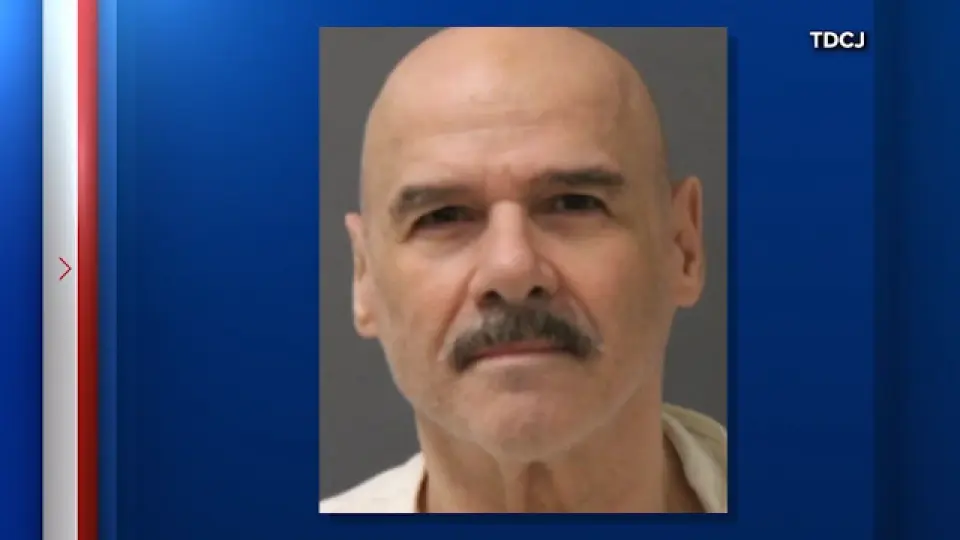
Reinaldo Dennes, 70, was executed in Texas on Thursday after a 63-minute procedure marked by significant delays and reports of extreme pain. Witnesses described Dennes screaming in agony and begging for relief as execution staff struggled to locate veins, eventually inserting needles into his left foot and neck. While prison officials maintained the procedure followed protocol, critics and medical experts condemned the event as a botched execution, renewing calls for a national moratorium on lethal injections. The incident occurred the same day Florida carried out its 20th execution of the year, highlighting ongoing debates over capital punishment methods and the aging death row population.
Key points
- Dennes was pronounced dead at 7:08 p.m. after a 63-minute execution process that began at 6:05 p.m.
- Witnesses reported Dennes screaming 'The pain!' and 'My leg is killing me,' describing sensations like cramps and burning
- Execution staff struggled to find suitable veins, eventually using sites in Dennes's left foot and left neck
- Texas Department of Criminal Justice spokeswoman Amanda Hernandez stated the execution was '100 percent not a botched execution' and followed proper protocols
- Critics, including the Death Penalty Information Center and Reprieve, called for a moratorium on lethal injections, citing the event as torture
- The execution followed the botched Tennessee execution of Christa Pike in September, which used the same drug, pentobarbital
Background
This execution follows the highly publicized failed execution of Christa Pike in Tennessee in September 2026, where Pike survived two doses of lethal injection drugs. Both cases involved difficulties in establishing intravenous lines and reports of severe pain, leading to renewed scrutiny of pentobarbital use in capital punishment. Texas has faced criticism for sourcing execution drugs from compounding pharmacies due to an international boycott, raising concerns about drug quality and expiration. The event also coincides with political shifts in Texas, where Democrats recently gained control of the governor's mansion and key judicial seats, potentially impacting future capital punishment policies. Additionally, the simultaneous execution in Florida highlights the aging of the U.S. death row population, with both Dennes and Florida inmate Thomas Mitchell Overton being in their 70s.
How outlets are covering it
The Texas Department of Criminal Justice, through spokeswoman Amanda Hernandez, insisted the execution was successful and followed all protocols, suggesting Dennes may have been faking pain in areas where no injections were attempted. In contrast, AP reporter Michael Graczyk, who has witnessed nearly 500 executions, described the event as unlike any other he has seen, noting Dennes's dramatic reactions and prolonged suffering. The Guardian and BBC highlighted witness accounts from Rev. Jeff Hood, who described Dennes contorting and screaming in agony, and framed the event as a 'botched execution' that exemplifies the broken nature of lethal injection. Medical experts like Jonathan Groner criticized the method as a 'medical charade,' arguing that the placement of IVs in the foot and neck indicated severe struggles and caused unnecessary pain. Human rights groups like Reprieve and the Death Penalty Information Center called for a moratorium, stating that lethal injection is torture and that the method is fundamentally flawed. These perspectives contrast sharply with the official state position, creating a narrative of institutional denial versus eyewitness and expert criticism.
Why it matters
The prolonged and painful execution of Reinaldo Dennes has intensified national and international debate over the ethics and efficacy of lethal injection as a method of capital punishment. The incident, occurring shortly after the botched execution of Christa Pike, has led to renewed calls for a moratorium on the death penalty, particularly regarding the use of pentobarbital. It highlights the potential for severe suffering and procedural failures in executions, challenging the notion that lethal injection is a humane method. The event also underscores the political and legal complexities surrounding capital punishment in the U.S., as states like Texas and Florida continue to carry out executions despite growing scrutiny and criticism from medical experts, human rights organizations, and the public. The simultaneous execution in Florida, setting a new state record, further emphasizes the ongoing trend of increased capital punishment in certain states, even as others move toward moratoriums or commutations.
What to watch
The Texas Department of Criminal Justice is likely to face increased scrutiny and potential legal challenges regarding its execution protocols and the sourcing of lethal injection drugs. Medical experts and human rights groups may push for further investigations into the use of pentobarbital and the conditions under which executions are carried out. Politically, the recent shift in Texas power to Democrats could lead to changes in capital punishment policies, including potential moratoriums or reforms to execution procedures. Nationally, the incident may contribute to broader debates about the death penalty, potentially influencing public opinion and legislative action. In the immediate term, there may be calls for an independent review of the Dennes execution to determine if protocols were followed and if the pain reported was genuine or exaggerated. The case may also serve as a precedent in future legal challenges to lethal injection methods, potentially impacting how other states approach capital punishment.
- AP reporter Michael Graczyk says Texas execution of Reinaldo Dennes with pentobarbital was like no other he's witnessed before ABC7 Los Angeles
- Texas Prisoner Moaned as Drugs Flowed During Execution, Witnesses Say The New York Times
- Latest botched execution prompts calls for US moratorium on lethal injections The Guardian
- Texas death-row inmate screams as execution takes more than one hour BBC
- Texas execution took over an hour as staff struggled to find vein; Reinaldo Dennes moaned about pain AP News
Want the full story? Read the original reporting
Read on ABC7 Los Angeles