
Texas Rangers pursue homicide charges against Camp Mystic owners over 2025 flood deaths
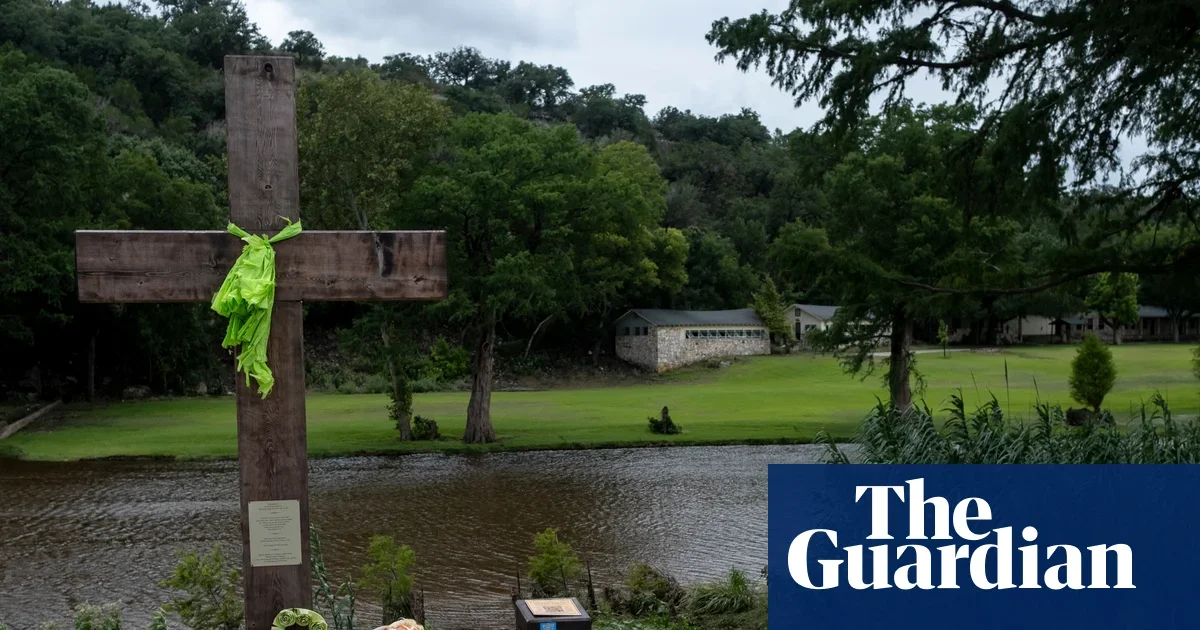
Texas state investigators have launched a criminal probe into the owners of Camp Mystic, seeking digital evidence to determine if manslaughter or negligent homicide charges are warranted for the deaths of 28 people during the July 2025 floods. Court documents reveal that the Texas Rangers executed 14 search warrants last week to seize electronic communications from camp leadership, including members of the Eastland family. The investigation alleges that the camp consciously disregarded substantial risks to children by failing to implement adequate emergency plans, conduct drills, or relocate campers from low-lying cabins despite receiving flood warnings. While no formal charges have been filed yet, the move marks a significant escalation from civil lawsuits and legislative hearings, with investigators citing a lack of adult supervision and failure to evacuate as key factors in the disaster that killed 25 campers and 3 staff members.
Key points
- The Texas Rangers executed 14 search warrants last week to seize electronic communications from Camp Mystic owners and staff, seeking evidence of manslaughter, negligent homicide, and child abandonment.
- Investigator Brant Johnston stated in an affidavit that the camp had inadequate emergency plans, failed to conduct drills, and lacked sufficient adult counselors in some cabins.
- The affidavit claims the camp owners consciously disregarded a substantial risk of death by failing to relocate children from low-lying cabins despite monitoring late-night flood warnings.
- The July 4, 2025, flooding of the Guadalupe River killed 28 people at the camp, including 25 campers, two teenage counselors, and owner Richard Eastland.
- No criminal charges have been brought yet, and the camp has filed for bankruptcy reorganization after failing to reopen this year.
- Attorneys for victims' families welcomed the warrants but criticized the Eastland family for withholding information for over a year, noting that some victims' bodies remain unfound.
Background
This criminal investigation follows months of civil litigation and legislative scrutiny. In August 2026, reports indicated that Kerr County faced renewed flooding issues due to lagging state flood-resilience rules, highlighting broader systemic failures in disaster preparedness. Prior to the current warrants, the Texas Rangers had already begun investigating the camp in March 2026 after hundreds of complaints were filed. The camp had previously faced civil lawsuits from more than a dozen families and had testified before the state legislature, where director Edward Eastland offered a tearful apology. The camp, a long-standing institution for Christian girls' sleepaway programs, did not reopen for the 2026 season.
How outlets are covering it
The Guardian and NBC News emphasize the legal strategy of the Texas Rangers, focusing on the specific allegations of conscious disregard for safety and the seizure of digital evidence. The Washington Post highlights the broader homicide investigation angle, noting the potential for manslaughter charges. KUT provides additional detail on the scope of the warrants, specifying that 14 affidavits were filed against family and staff members, including Tweety Eastland, and notes that the investigation began in March following hundreds of complaints. All outlets agree on the core facts of the 28 deaths and the lack of emergency preparedness, but differ slightly in emphasis: The Guardian and NBC focus on the investigators' conclusions regarding negligence, while KUT and The Washington Post provide more context on the procedural history and the number of warrants executed. Victim families' attorneys, as reported by The Guardian, express frustration that such legal action was necessary after a year of inaction by the Eastland family.
Why it matters
This investigation represents a potential shift from civil liability to criminal accountability for disaster management failures in youth institutions. If charges are filed, it could set a precedent for holding camp owners criminally responsible for inadequate emergency planning and supervision during natural disasters. The case also highlights ongoing debates about flood-resilience regulations in Texas, as seen in the August 2026 reports of repeated flooding in Kerr County, and underscores the need for stricter oversight of camps and other facilities in flood-prone areas. The outcome may influence future legislation regarding emergency preparedness standards for youth organizations and the enforcement of flood warnings in low-lying areas.
What to watch
The Texas Rangers will review the seized electronic communications to determine if there is sufficient evidence to file formal charges for manslaughter, negligent homicide, or other crimes. Civil lawsuits from victims' families are expected to continue, potentially using the criminal investigation's findings as evidence. The bankruptcy reorganization process for Camp Mystic will proceed, potentially affecting the ability of the Eastland family to settle civil claims. Further legislative hearings may be held to address gaps in state flood-resilience rules and camp safety regulations. The search for the body of victim Cile Steward, which remains unfound, may also be impacted by the investigation's findings regarding the camp's emergency response.
- Camp Mystic faces investigation as Texas Rangers seek evidence of manslaughter The Guardian
- Camp Mystic under investigation for manslaughter, other criminal charges KUT
- Texas investigators seek evidence of manslaughter, other crimes in 27 flood deaths at Camp Mystic NBC News
- Camp Mystic owners face homicide investigation over flooding deaths The Washington Post
- Texas Rangers allege crimes in Camp Mystic flood investigation, affidavit says NBC 5 Dallas-Fort Worth
Want the full story? Read the original reporting
Read on The Guardian