
Texas Rangers Seek Digital Evidence in Camp Mystic Flood Deaths
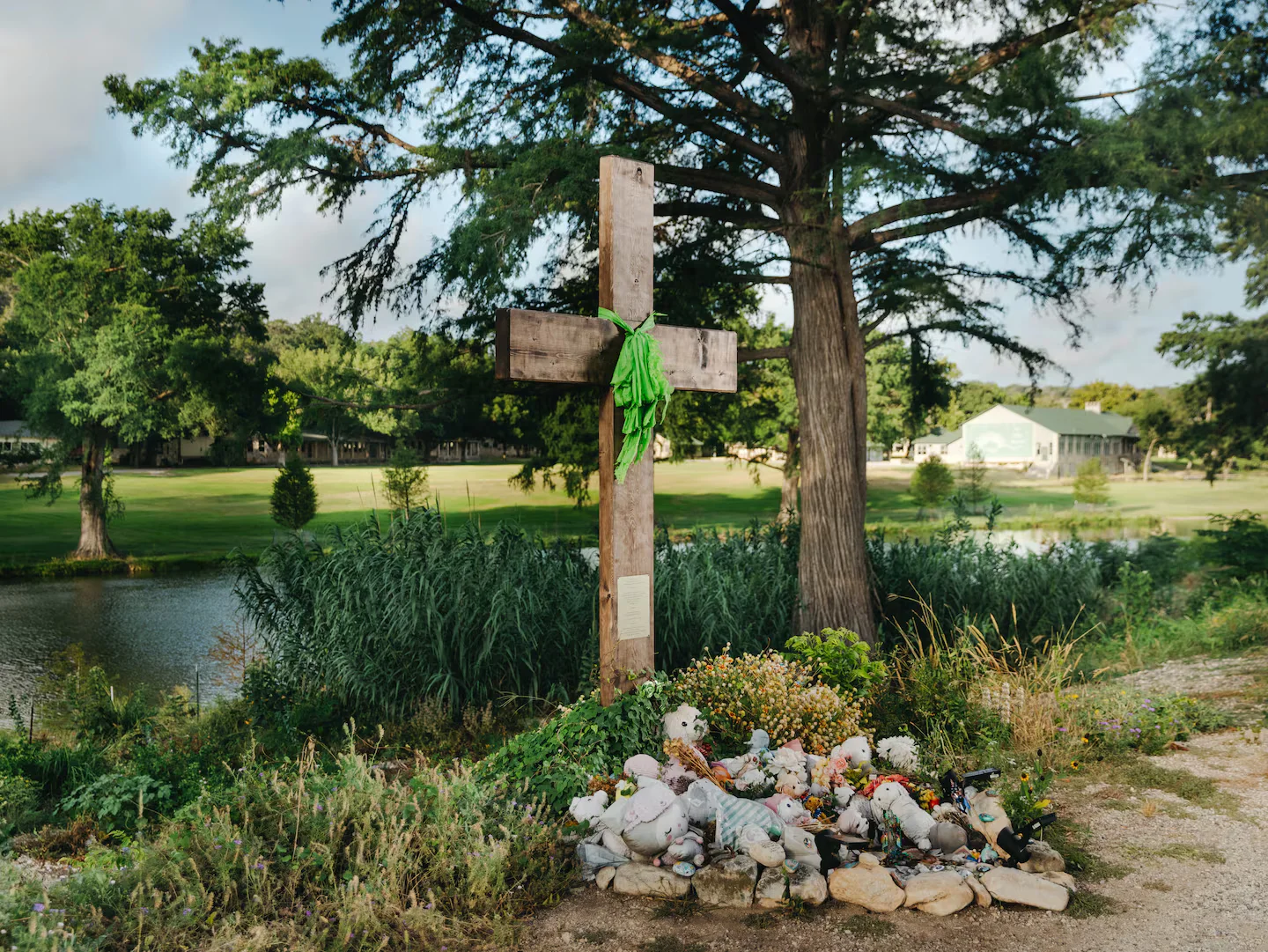
Texas state investigators have launched a homicide probe into the owners of Camp Mystic, seeking digital evidence to determine if criminal negligence contributed to the deaths of 28 people during the July 2025 floods. The Texas Rangers executed 14 search warrants last week to seize electronic communications from camp leadership, including members of the Eastland family. While no charges have been filed yet, the investigation focuses on whether the camp consciously disregarded risks to children. This legal action follows legislative hearings that found the camp lacked required emergency plans and precedes potential civil lawsuits from victims' families.
Key points
- The Texas Rangers executed 14 search warrants last week to seize electronic data from Camp Mystic leaders and staff.
- Investigators are seeking evidence of manslaughter, criminally negligent homicide, and child endangerment related to the July 4, 2025, flooding.
- The warrants target phone records, emails, and location data from individuals including Tweety and Edward Eastland.
- No criminal charges have been filed yet, but the investigation began in March 2026 after legislative findings of safety failures.
- The camp halted plans to reopen in 2026 amid ongoing court hearings and legislative scrutiny.
Background
Camp Mystic, a girls' summer camp in Hunt, Texas, was devastated by catastrophic flooding on July 4, 2025, resulting in 28 deaths, including 25 campers, two counselors, and Executive Director Dick Eastland. The disaster occurred when the Guadalupe River rose from 14 to nearly 30 feet within one hour. Following the event, a Texas Legislature committee investigated the camp, finding it lacked state-required written emergency and evacuation plans. Camp Mystic subsequently filed for bankruptcy in June 2026 and halted plans to reopen for the summer season due to ongoing legal and legislative proceedings.
How outlets are covering it
The Washington Post and KUT emphasize the scope of the criminal investigation, noting that the Texas Rangers are pursuing potential evidence of manslaughter and negligent homicide. NBC 5 Dallas-Fort Worth highlights the affidavit's claim that Camp Mystic LLC 'consciously disregarded a substantial and unjustifiable risk of death.' FOX 4 News focuses on the specific data sought, including text messages and location history between July 3 and October 17, 2025. While all outlets agree on the warrants, they differ in emphasis: some focus on the legal charges, while others highlight the victims' families' demand for accountability. One state lawmaker previously defended the Eastlands, blaming the disaster on historic flooding, but the current investigation suggests a shift toward examining human error and negligence.
Why it matters
This investigation marks a significant escalation in the aftermath of the Camp Mystic tragedy, moving from civil lawsuits and legislative inquiries to potential criminal charges. The outcome could set precedents for liability in disaster response and camp safety regulations. It also underscores the ongoing struggle for accountability in cases where natural disasters intersect with institutional failures, potentially influencing future safety standards for youth organizations in flood-prone areas.
What to watch
The Texas Rangers will analyze the seized electronic data to determine if there is sufficient evidence to file criminal charges. The investigation may lead to further legal proceedings, including potential indictments against camp leaders. Civil lawsuits from victims' families are also expected to proceed, seeking compensation for the deaths and injuries. The outcome of this probe could influence state regulations regarding emergency planning and evacuation protocols for camps and other youth facilities in Texas.
- Camp Mystic owners face homicide investigation over flooding deaths The Washington Post
- Camp Mystic under investigation for manslaughter, other criminal charges KUT
- Texas Rangers accuse Camp Mystic of criminal offenses in children’s deaths San Antonio Express-News
- Texas Rangers allege crimes in Camp Mystic flood investigation, affidavit says NBC 5 Dallas-Fort Worth
- Texas Rangers execute 14 Camp Mystic search warrants FOX 4 News Dallas-Fort Worth
Want the full story? Read the original reporting
Read on The Washington Post