
US Justice Department Unveils 'Ghostbusters' Probe into $130M Student Aid Fraud
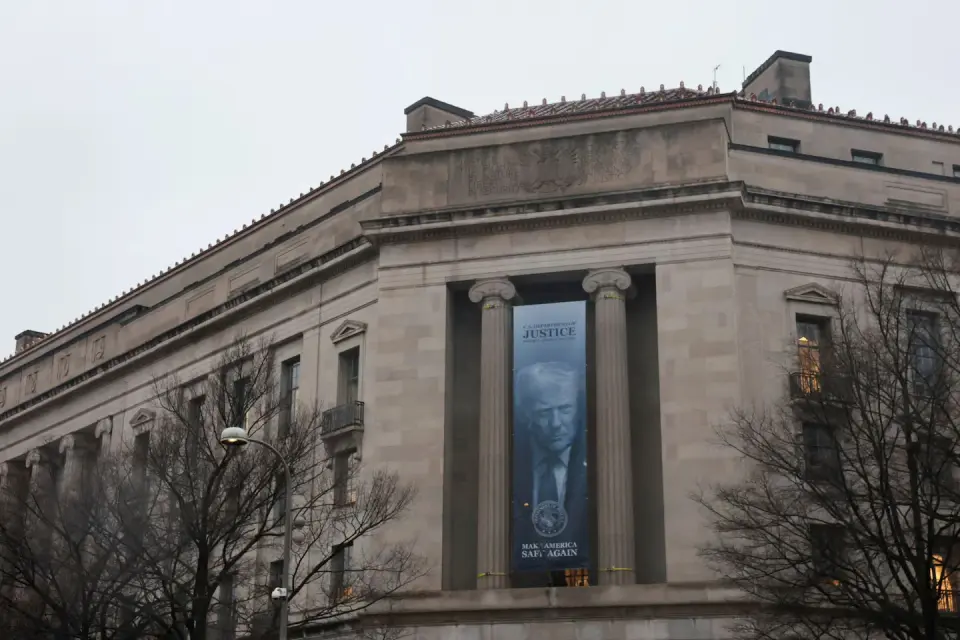
The US Justice Department has launched a major crackdown on a nationwide scheme where fraudsters used stolen identities to enroll fictitious students in American colleges and siphon federal financial aid. Dubbed 'Operation Ghostbusters,' the investigation has led to the indictment of five Kenyan nationals, with authorities alleging the scheme has potentially defrauded the government of $130 million. The fraudsters allegedly used advanced techniques to keep fake students enrolled to continuously receive funds, which were then transferred to associates in Kenya. Victims of the identity theft are now facing unexpected student loan debts and damaged credit scores.
Key points
- The Justice Department indicted five Kenyan nationals on Thursday for illegally collecting $2 million in federal student aid by stealing US citizens' identities.
- The scheme, named 'Operation Ghostbusters,' involves enrolling fictitious students in colleges to divert financial aid payments, with the balance sent to associates in Kenya.
- Investigators identified 830,840 potentially fraudulent Federal Student Aid identification numbers associated with nearly $130 million in aid in September and October 2026.
- One defendant, Francis Mogambi, was arrested in Nebraska after allegedly working with associates to steal identities and divert $20,000 in aid between November 2025 and May 2026.
- US officials traveled to Kenya in September to coordinate extraditions and seized over $750,000 from a cryptocurrency account linked to the scheme.
- Victims whose identities were stolen are facing unexpected student loan debts and credit risks, even though they never enrolled in college.
Background
This fraud scheme highlights growing concerns about the integrity of federal student aid systems, which have faced scrutiny over rising tuition costs and the need for robust financial support for students. While previous reports focused on the affordability of higher education and the value of specific institutions, this case reveals a sophisticated criminal network exploiting the system to steal millions from taxpayers. The use of stolen identities to create 'ghost' students represents a new and significant threat to the financial aid infrastructure, potentially affecting hundreds of individuals and costing the government tens of millions of dollars.
How outlets are covering it
The Washington Post focuses on the initial indictments of five Kenyan nationals and the $2 million in stolen aid, emphasizing the Trump administration's efforts to combat fraud. BBC provides a broader view of the investigation, detailing the scale of the potential $130 million loss, the specific case of Francis Mogambi, and the international cooperation with Kenya to seize assets and extradite suspects. Both outlets agree on the severity of the fraud and its impact on victims, but BBC offers more detail on the operational aspects of the scheme, such as the use of 'super intelligence' to keep fake students enrolled and the sale of stolen personal information online.
Why it matters
This case underscores the vulnerability of federal student aid systems to sophisticated fraud and the potential consequences for both the government and individual victims. The large-scale nature of the scheme, involving millions of dollars and hundreds of victims, highlights the need for stronger security measures and international cooperation to combat identity theft and financial fraud. The impact on victims, who are facing unexpected debts and credit issues, raises concerns about the broader social and economic consequences of such fraud.
What to watch
The Justice Department is expected to continue its investigation into the 'Operation Ghostbusters' scheme, with 40 additional cases currently open. Authorities are likely to pursue further indictments and extraditions, as well as seek the recovery of stolen funds through asset forfeiture and restitution. The Department of Education may also take steps to disable the 830,840 potentially fraudulent identification numbers identified by investigators to prevent further fraud.
- Alleged ‘ghost’ students accused of stealing millions in financial aid The Washington Post
- From green card to fraud: Kenyans arrested in $130m US ghost student scam BBC
- 'Operation Ghostbusters': DOJ charges five in alleged $1.3 million 'ghost student' financial aid fraud scheme ABC7 Los Angeles
- US Justice Department uncovers a massive $200m student-aid scam involving fake enrolments, stolen identities and Kenyan networks Business Insider Africa
- Feds charge 5 people as part of alleged sprawling 'ghost students' probe ABC News - Breaking News, Latest News and Videos
Want the full story? Read the original reporting
Read on The Washington Post