
Verdict in 2012 UNC Student Murder: 14-Year Investigation Concludes with Life Sentence
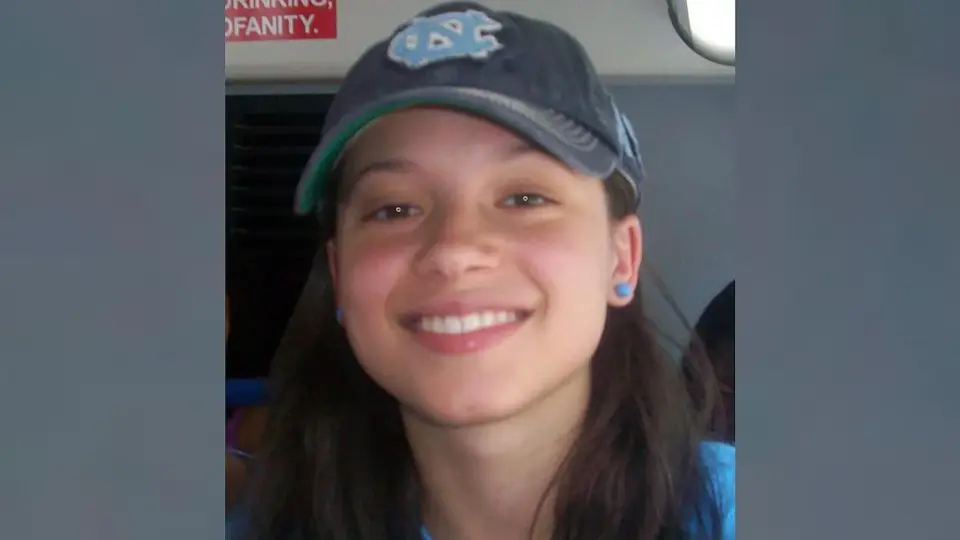
Miguel Salguero-Olivares was convicted of first-degree murder, rape, sexual assault, and burglary for the 2012 killing of University of North Carolina student Faith Hedgepeth. The 14-year investigation concluded with a life sentence without parole, resolved through advanced DNA genealogy techniques after initial leads failed.
Key points
- Faith Hedgepeth, 19, was found beaten and sexually assaulted in an off-campus apartment in Chapel Hill on September 7, 2012. The murder weapon was identified as a Bacardi bottle.
- Miguel Salguero-Olivares, 33, was arrested in 2021 after a traffic stop provided DNA that matched crime scene evidence. He was convicted on October 23, 2026, after a trial in Durham.
- The defendant was sentenced to life in prison without parole for the murder, plus 45 to 65 years for the other charges. He plans to appeal the verdict.
- Investigators used single nucleotide polymorphism (SNP) genetic genealogy to identify the suspect after traditional methods failed to link him to the victim.
- Hedgepeth’s family publicly forgave the killer during the sentencing, emphasizing their desire to move forward despite the tragedy.
Background
The case had been active for 14 years, with authorities swabbing over 400 people and reviewing thousands of tips without success. The investigation was described as all-consuming by State Bureau of Investigation agents, who noted the lack of a prior connection between the victim and the killer made the case exceptionally difficult. The breakthrough came in 2021 when new DNA technology allowed investigators to trace family ties to the biological evidence found at the scene.
How outlets are covering it
ABC News highlighted the emotional impact on Hedgepeth’s indigenous community and the family’s forgiveness, noting the 20/20 special that aired on October 30. WRAL focused on the investigative process, quoting SBI agents who emphasized the importance of 'thinking outside the box' and documenting every detail, as the case was never truly 'cold' due to continuous active work. NBC News detailed the forensic evidence, including DNA and palm prints on the weapon and a note, while noting the defense’s argument that the suspect was a '19-year-old boy' who may have had consensual contact with the victim days prior. Prosecutors dismissed this as 'noise,' insisting the forensic evidence was conclusive.
Why it matters
The case illustrates the evolving capabilities of forensic DNA technology in solving cold cases and the long-term impact of unsolved murders on communities. It also highlights the resilience of victims' families and the dedication of investigators who maintained active efforts for over a decade despite the absence of immediate leads.
What to watch
Miguel Salguero-Olivares’s defense team has indicated plans to appeal the conviction and sentencing. The case may also serve as a precedent for the use of SNP genetic genealogy in future cold case investigations.
- Inside the hunt for killer of University of North Carolina student found beaten, bloodied ABC News - Breaking News, Latest News and Videos
- ‘Think outside the box’ SBI investigators detail lessons learned in Hedgepeth investigation WRAL
- Miguel Salguero Olivares files appeal after conviction in the 2012 Faith Hedgepeth murder case ABC11 News
- Convicted murderer Salguero Olivares files appeals in Hedgepeth case CBS 17
- 14 years after UNC student’s death, man is convicted of raping and killing her NBC News
Want the full story? Read the original reporting
Read on ABC News - Breaking News, Latest News and Videos