
Clancy Trial: Diary and Medical Evidence Clash on Intent vs. Psychosis
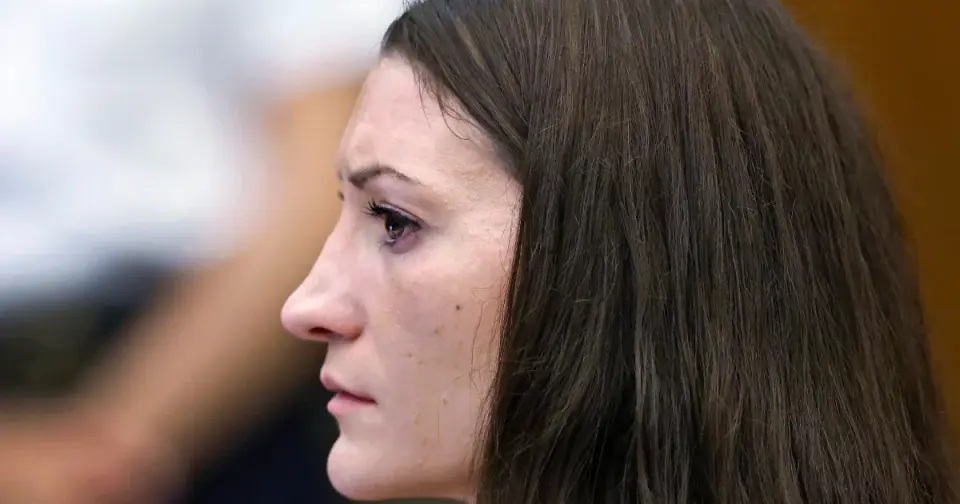
Lindsay Clancy’s murder trial in Massachusetts resumed with intense focus on her mental state. Prosecutors used diary entries to argue intent, while the defense cited medical testimony claiming she was calm and cooperative, supporting a postpartum psychosis defense.
Key points
- Clancy’s diary entries from late 2022 described severe anxiety, 'brain fog,' and desperation, which prosecutors used to argue she acted intentionally.
- Defense attorney Kevin Reddington maintains Clancy suffered from undiagnosed bipolar disorder and postpartum psychosis, rendering her not criminally responsible.
- Psychiatrist Dr. Sejal Shah testified that Clancy was 'calm and cooperative' and denied hallucinations in a January 2023 assessment, contradicting the psychosis narrative.
- Forensic evidence, including bloodstain patterns and toxicology reports, was presented to establish the timeline and physical evidence of the crime.
- Clancy stipulated to certain facts in open court, agreeing that the prosecution did not need to prove those specific points, potentially shortening the trial.
Background
The trial follows the January 2023 killings of Clancy’s three children in Duxbury, Massachusetts. Earlier coverage highlighted the emotional 911 call from her husband and the jury’s site visit. The case centers on whether Clancy’s actions were deliberate or the result of a severe mental health crisis.
How outlets are covering it
NBC News emphasizes the diary entries as evidence of Clancy’s deteriorating mental state and desperation, framing the case around her struggle with motherhood and medication. CNN focuses on the conflicting medical testimony, highlighting Dr. Shah’s assessment of Clancy as 'calm and cooperative' to challenge the insanity defense. The Patriot Ledger provides detailed forensic testimony, including bloodstain analysis and toxicology results, while WJAR notes Clancy’s active participation in stipulating facts, suggesting a strategic defense approach. Outlets differ in emphasis: NBC and CNN focus on the mental health debate, while the Patriot Ledger and WJAR highlight procedural and forensic details.
Why it matters
The trial outcome will set a precedent for how postpartum psychosis and undiagnosed bipolar disorder are treated in criminal cases. It highlights the complexities of mental health defenses and the impact of medical treatment on criminal responsibility.
What to watch
The trial is expected to continue with further witness testimony, including more medical experts and forensic analysts. The jury will deliberate on Clancy’s criminal responsibility, with potential outcomes including a life sentence or commitment to a mental health facility if found not guilty by reason of insanity.
- Lindsay Clancy’s diary chronicled desperation and ‘brain fog’ before she killed her 3 kids NBC News
- Lindsay Clancy trial Day 6 testimony: Live updates from Plymouth court The Patriot Ledger
- Lindsay Clancy was ‘calm and cooperative’ days after killing her 3 children, psychiatrist says CNN
- Testimony continues in Lindsay Clancy murder trial WJAR
- ‘I want help’: Jurors hear Lindsay Clancy journal entries in triple murder trial Boston Herald
Want the full story? Read the original reporting
Read on NBC News