
DNA breakthrough identifies 1978 Fresno teen as 'Arvin Jane Doe'
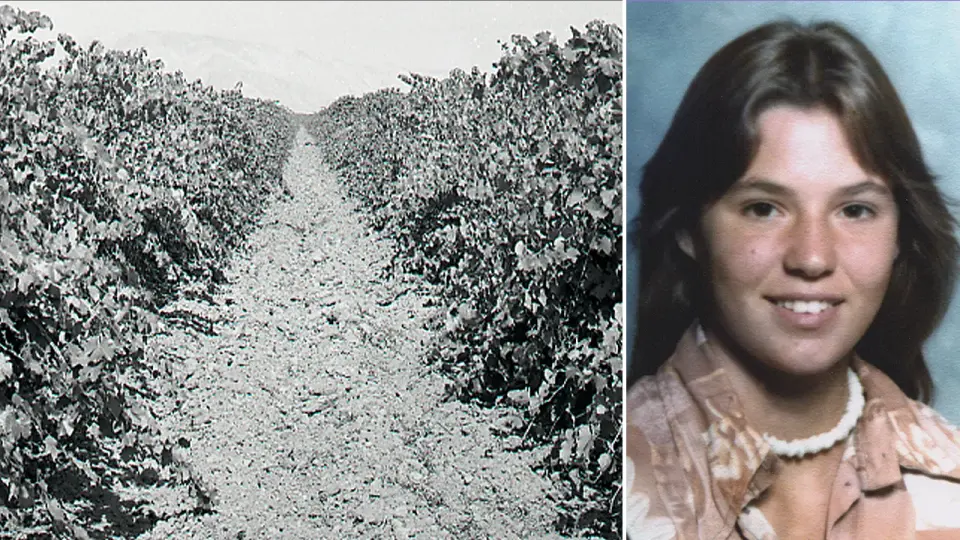
Michelle Louise Collier, a 15-year-old from Fresno who vanished in 1978, has been identified as the victim of a long-cold murder case. Her remains were found in a shallow grave in an Arvin vineyard in June 1978 but remained unidentified for 48 years. Recent forensic genetic genealogy allowed investigators to match her DNA to family members, leading to her identification and repatriation to her family in April 2026. The homicide investigation remains open as authorities seek the killer.
Key points
- Michelle Louise Collier, 15, disappeared from Fresno in February 1978; her skeletal remains were found in a shallow grave in an Arvin vineyard in June 1978.
- The victim was known as 'Arvin Jane Doe' for nearly 50 years due to a lack of identification methods at the time.
- In 2007, remains were exhumed to collect DNA, but no match was found in state databases.
- In 2025, investigators used forensic investigative genetic genealogy (FIGG) via the lab Othram to identify potential relatives.
- A DNA swab from Collier’s mother confirmed her identity in October 2025; remains were returned to the family in April 2026.
- The Kern County Sheriff’s Office announced the identification on July 29, 2026, and stated the homicide investigation is now active with a new focus.
Background
This case follows a pattern of cold cases solved through advanced DNA technology, similar to the recent identification of a mystery girl in the Nolan Wells disappearance case in Mississippi. The use of forensic genetic genealogy has become a critical tool for law enforcement in resolving decades-old unidentified homicide cases.
How outlets are covering it
Fox News and ABC News both reported the identification, with Fox News emphasizing the emotional impact on the family and the sister’s public demand for justice. ABC News focused on the technical breakthrough and the lack of a dedicated cold case unit. KMPH highlighted the role of consumer DNA tests and the collaboration between the Kern County Sheriff’s Office, the California Department of Justice, and the National Center for Missing & Exploited Children. All sources agree that the case remains open and that the identification is a significant step, but not the end of the investigation.
Why it matters
The identification of Michelle Collier demonstrates the power of forensic genetic genealogy in solving cold cases. It provides closure to a family that waited nearly 50 years and reopens a homicide investigation that had been stalled for decades. The case also underscores the importance of consumer DNA databases in law enforcement and the ongoing need for public cooperation in solving missing person cases.
What to watch
The Kern County Sheriff’s Office is actively investigating the circumstances of Collier’s death and is asking the public to come forward with any information. The case remains open, and authorities are using the new identification to pursue leads that were previously unavailable.
- Teen found in shallow California vineyard grave identified nearly 50 years later as family warns killer Fox News
- Fresno teen identified as Jane Doe in nearly 50-year-old murder case ABC News - Breaking News, Latest News and Videos
- Fresno girl identified as victim of nearly 50 year old cold case, deputies say yourcentralvalley.com
- Family delivers emotional message after teen identified nearly 50 years later Yahoo
- Fresno teen identified nearly 50 years after body found in Kern County vineyard kmph.com
Want the full story? Read the original reporting
Read on Fox News