
Forensic expert claims Epstein was strangled, not hanged, in 2019 prison death
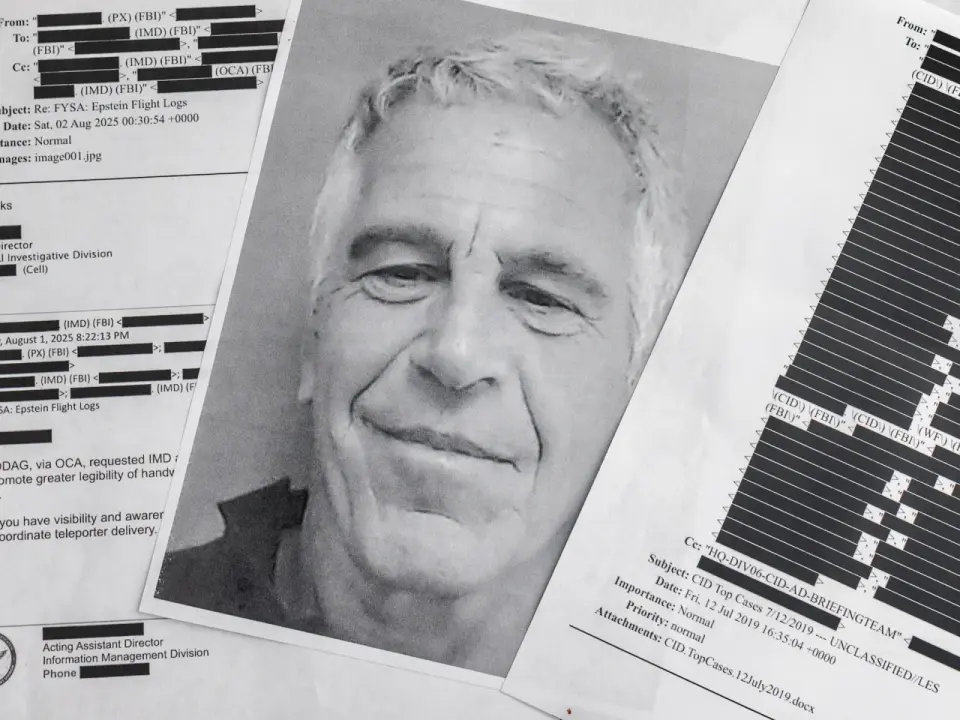
A forensic expert has concluded that Jeffrey Epstein was likely murdered by strangulation in 2019, contradicting the official suicide ruling. The analysis, based on autopsy photos and records, cites injuries inconsistent with hanging, including a deep shoulder hemorrhage and ligature marks suggesting an attack from behind. While the New York City Office of Chief Medical Examiner stands by its original determination, the new findings have reignited debate over the circumstances of Epstein's death in custody.
Key points
- Dr. Michael Freeman, editor-in-chief of the Journal of Forensic and Legal Medicine, presented findings in London on November 16, 2026, stating that Epstein's death was more likely a homicide than a suicide.
- Freeman analyzed autopsy records and photos provided by Epstein's brother, Mark, concluding that the injuries were consistent with homicidal strangulation from behind using a narrow knotted fabric ligature.
- The New York City Office of Chief Medical Examiner, which ruled Epstein died by suicide in 2019, stated it 'stands by its determination' and declined to comment on Freeman's findings.
- Freeman noted that the ligature marks on Epstein's neck were ragged and segmented, inconsistent with the noose found in the cell, and that there were unexplained injuries to the shoulder and back.
- The analysis has not been peer-reviewed, and Freeman acknowledged that forensic pathology is not an exact science, with credible experts often interpreting the same evidence differently.
Background
Jeffrey Epstein was found dead in his cell at the Metropolitan Correctional Center in New York on August 10, 2019, while awaiting trial on sex trafficking charges. The official autopsy concluded that he had died by suicide. His death has been the subject of conspiracy theories, with some claiming he was killed to prevent him from providing evidence linking prominent figures to sexual abuse. A 2023 Department of Justice report found that the facility had longstanding problems with its security cameras, which were not working on the day of Epstein's death. In 2020, forensic pathologist Dr. Michael Baden also questioned the official ruling, citing injuries to Epstein's neck. The New York Times conducted an investigation in June 2026 that found indications Epstein was intent on ending his own life, but noted that almost none of the forensics experts they interviewed believed the manner of death could be conclusively settled based on medical evidence alone.
How outlets are covering it
Al Jazeera, CBS News, CNN, and BBC all report on the new forensic analysis by Dr. Michael Freeman, which suggests Epstein was murdered. Al Jazeera and BBC emphasize Freeman's conclusion that Epstein was strangled from behind, while CBS News provides more detail on Freeman's biomechanical analysis and the specific injuries he cited. CNN highlights the New York City Office of Chief Medical Examiner's statement that it 'stands by its determination' and notes that Freeman's research has not been peer-reviewed. All sources acknowledge the long-standing conspiracy theories surrounding Epstein's death but focus on the new forensic evidence. The sources differ in their emphasis on the credibility of Freeman's findings, with CBS News and CNN noting the lack of peer review and the ambiguity of forensic pathology, while Al Jazeera and BBC present Freeman's conclusions more directly. None of the sources report on a conviction or guilty plea, and all attribute the allegations to Freeman's analysis.
Why it matters
The new forensic analysis adds to the ongoing debate over the circumstances of Jeffrey Epstein's death, which has been a subject of public scrutiny and conspiracy theories since 2019. The findings could potentially lead to a re-examination of the case, although the New York City Office of Chief Medical Examiner has not indicated any intention to revisit its original determination. The case also highlights the importance of thorough and transparent investigations in high-profile cases, particularly those involving powerful individuals. The release of Epstein-related documents in 2026 has further fueled public interest in the case, with some documents shedding light on Epstein's relationships with prominent figures. The case also raises questions about the integrity of the justice system and the need for accountability in cases involving powerful individuals.
What to watch
Dr. Michael Freeman plans to resubmit his report to an academic journal, having been rejected previously. The New York City Office of Chief Medical Examiner has not indicated any intention to revisit its original determination, but the new findings could potentially lead to further scrutiny of the case. The release of Epstein-related documents in 2026 has fueled public interest in the case, and it is possible that further documents could be released in the future. The case also raises questions about the integrity of the justice system and the need for accountability in cases involving powerful individuals. It is unclear whether the new findings will lead to any legal action or further investigation, but they have certainly reignited debate over the circumstances of Epstein's death.
- Epstein’s death more likely homicide than suicide, forensic expert says Al Jazeera
- Jeffrey Epstein's death may not have been suicide, new analysis by leading forensics expert suggests CBS News
- Challenging Consensus, Scientist Says Photos Show Epstein Was Killed The New York Times
- Forensic expert says Epstein was likely killed, but NYC medical examiner stands by suicide ruling CNN
- Forensic expert says his analysis of autopsy photos suggests Epstein was killed BBC
Want the full story? Read the original reporting
Read on Al Jazeera