
Clovis teen murder trial hinges on text evidence and DNA disputes
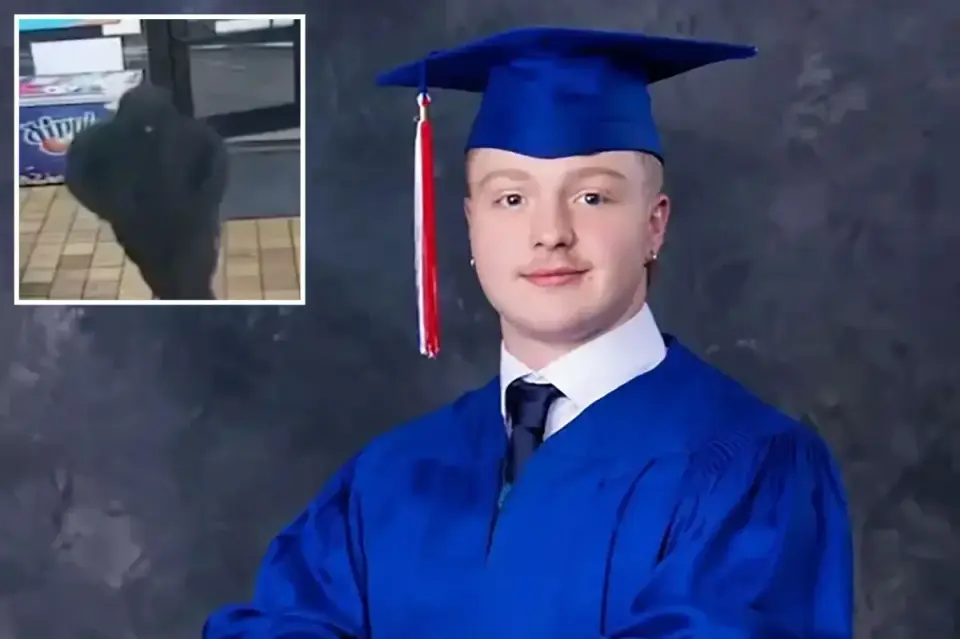
The juvenile murder trial of Cassandra Michael and Byron Rangel for the 2025 killing of Caleb Quick in Clovis, California, has entered its third day. Prosecutors presented text messages suggesting a revenge motive over an alleged sexual assault, while defense attorneys challenged the forensic evidence linking Michael to the weapon.
Key points
- Prosecutors introduced text messages between Michael and Rangel from the day before and after the April 23, 2025, shooting, discussing an alleged assault by Quick on a teen identified as 'Jane Doe.'
- Detective Lovedeep Malhi testified that investigators recovered the phones via search warrant, and the messages included Rangel calling the alleged assault 'terrible' and Michael expressing shock after the shooting.
- Forensic testimony confirmed DNA from both defendants was found on a silver Smith & Wesson revolver recovered from Rangel's home, though the defense argues the DNA could have been transferred indirectly.
- A spent shell casing found in Rangel's closet matched the revolver, but the actual projectile that killed Quick was never recovered.
- Michael, now 18, is being tried in juvenile court after a judge denied prosecutors' request to transfer her case to adult court in May 2026.
Background
The case gained national attention in June 2026 when President Donald Trump and First Lady Melania Trump sent a letter to the victim's family, expressing condolences and supporting efforts to combat violent crime. This follows a pattern of high-profile teen murder cases in 2026, such as the D4vd trial, where text messages played a central role in establishing motive and premeditation.
How outlets are covering it
The California Post and Fresno Bee emphasize the text messages as evidence of a premeditated revenge plot, highlighting the vulgar language and the couple's communication before and after the shooting. The defense, however, argues that no messages show Michael explicitly wanted to harm Quick. FOX26 adds that Michael was interviewed before becoming a suspect and did not admit to being at the scene, while also questioning whether the Tesla's recording system was ever activated. All sources agree on the forensic findings but differ on the interpretation of Michael's intent and the reliability of the DNA evidence.
Why it matters
The trial highlights the role of digital evidence in juvenile murder cases and the legal battles over forensic interpretation. It also reflects broader public and political interest in teen violence, as seen in the Trump administration's public support for the victim's family.
What to watch
The trial is scheduled to continue on Thursday, with further testimony expected from law enforcement and forensic experts. The outcome will determine whether Michael and Rangel face juvenile or adult penalties, though Michael's case remains in juvenile court.
- Vulgar texts between teen couple accused of murdering California high schooler revealed New York Post
- Detectives detail search Warrants, digital evidence and DNA testing in Caleb Quick's death ABC30 Fresno
- Texts between teens charged with murder of Caleb Quick in Clovis detailed in court Fresno Bee
- Detectives testify against Cassandra Michael in shooting case of Caleb Quick kmph.com
- Court Watch: Defense Challenges Murder Charge for Teen in Caleb Quick Killing davisvanguard.org
Want the full story? Read the original reporting
Read on New York Post