
SS United States to Sink in Gulf of Mexico as World’s Largest Artificial Reef
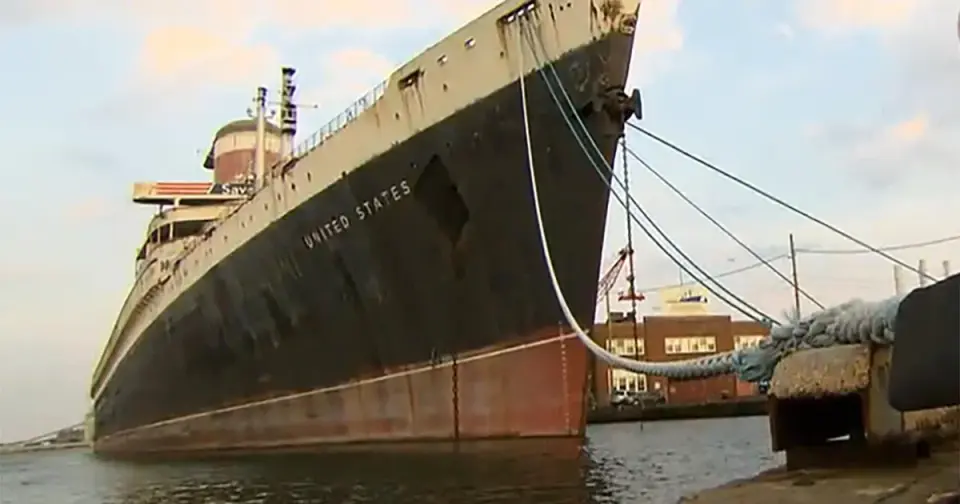
The SS United States, the fastest ocean liner ever built, is scheduled to be deliberately sunk in the Gulf of Mexico this week to become the world’s largest artificial reef. After decades of failed redevelopment attempts and a final eviction from Philadelphia, the ship was purchased by Okaloosa County, Florida, for $1 million. The county invested an additional $13 million to remediate environmental contaminants and prepare the vessel for scuttling. The ship, which carried over a million passengers including celebrities and presidents, will be placed 22 nautical miles off Destin, Florida, on November 12. While some mourn the loss of a historic landmark, officials view the move as a way to create a new marine habitat and tourist attraction.
Key points
- The SS United States, which set a transatlantic speed record in 1952, is scheduled to be sunk on November 12, 2026.
- The ship will be placed 22 nautical miles southwest of Destin, Florida, to serve as an artificial reef.
- Okaloosa County purchased the vessel for $1 million and spent approximately $13 million on remediation and towing.
- The ship carried over one million passengers during its service, including Marilyn Monroe, Walt Disney, and four U.S. presidents.
- The vessel was retired in 1969 due to the rise of jet travel and spent decades in various states of disrepair.
- The current largest artificial reef is the USS Oriskany, an aircraft carrier sunk in 2006 off Pensacola, Florida.
Background
The SS United States has a long history of failed redevelopment plans. After being retired in 1969, it was laid up in Virginia, then moved to Turkey, and eventually docked in Philadelphia. Various groups attempted to convert it into a casino, hospital, or floating condos, but these plans failed. The SS United States Conservancy bought the ship in 2011 but struggled with upkeep costs. By 2014, scrapping was considered, and the ship was eventually evicted from its port after a court battle. The archive articles provided are unrelated to this story, as they concern Formula 1 racing and travel advisories, and thus offer no relevant background for this specific maritime event.
How outlets are covering it
CBS News emphasizes the emotional and cultural significance of the ship, highlighting the grief of former passengers and the 'spell' the vessel still casts. They note the farewell cruise organized by the Conservancy and the personal connections people have to the ship. The Washington Post focuses on the logistical and economic aspects, detailing the ship’s turbulent ownership history, the specific costs involved in the purchase and remediation, and the potential for tourism revenue. Both sources agree on the ship’s historical importance and the final decision to sink it, but CBS News leans toward the sentimental loss, while The Washington Post frames it as a practical solution to a long-standing problem.
Why it matters
The sinking of the SS United States marks the end of an era for one of America’s most iconic ocean liners. It represents a shift from preserving historic vessels as static landmarks to repurposing them for environmental and economic benefits. The project also highlights the challenges of maintaining large, historic structures in the modern era, where cost and environmental regulations often outweigh sentimental value. The creation of the world’s largest artificial reef could have significant impacts on local marine life and tourism in Florida.
What to watch
The SS United States is scheduled to be scuttled on November 12, 2026. Following the sinking, the SS United States Conservancy plans to open a museum using the ship’s two funnels as bookends. The museum will house artifacts, including the bar from the tourist class smoking lounge. The county expects the new reef to attract divers and generate tourism revenue, while also providing a new habitat for marine life in the Gulf of Mexico.
- The SS United States and her final destination CBS News
- As this storied ship is sunk to become an artificial reef and scuba spot, it concludes the ocean liner era CNN
- Judge denies preservation group's request to stop sinking of SS United States 6abc Philadelphia
- SS United States, a historic ship will be sunk to create an artificial reef NPR
- SS United States will be sunk, becoming the world’s largest artificial reef The Washington Post
Want the full story? Read the original reporting
Read on CBS News