
Gloria Steinem’s Life and Legacy: A Complex Portrait of Feminist Icon
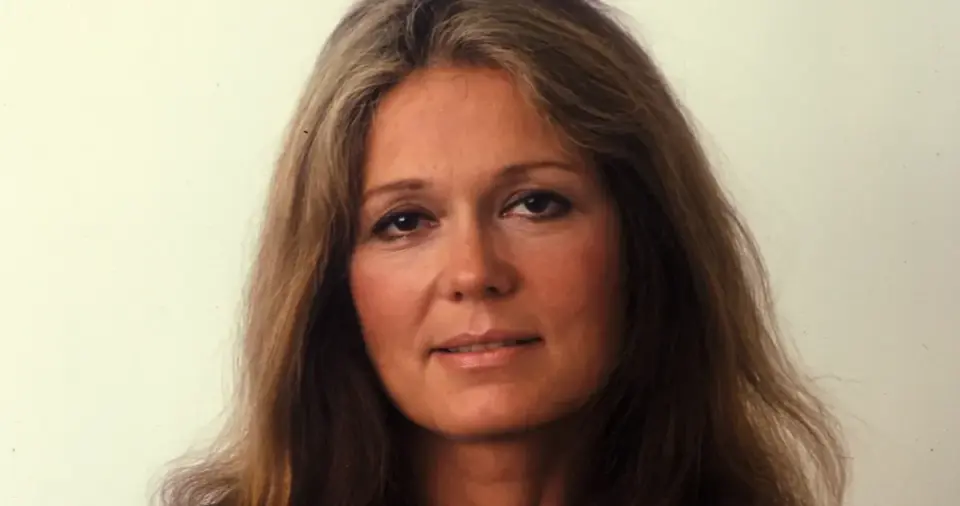
Gloria Steinem, the co-founder of Ms. Magazine and a central figure in the second-wave feminist movement, has died at age 92. While celebrated for her ability to make complex gender issues accessible and for her lifelong advocacy for equality, her legacy is marked by significant contradictions, particularly regarding race and the role of white women in the movement. Her final essay, published in The New Yorker, urged a focus on universal human equality rather than just gender, reflecting her belief that progress, though often reversed, remains a vital goal.
Key points
- Steinem died at 92 in her Manhattan home, having been a prominent public figure for over five decades.
- She co-founded Ms. Magazine in 1971 and helped establish the National Women’s Political Caucus in 1972.
- Her final essay, published in The New Yorker, argued for 'egalitarianism' or 'humanism' to counter the demonization of the word 'feminism.'
- Critics and allies alike noted her 2008 op-ed, 'Women Are Never Frontrunners,' as a significant failure to address racial dynamics in political progress.
- Steinem was known for her 'hopeaholic' nature, maintaining faith in progress even as she witnessed the erosion of rights like those protected by Roe v. Wade.
Background
Gloria Steinem, born in 1934 in Toledo, Ohio, emerged as a leading voice in the 1960s and 70s. Her career began in journalism, including a controversial undercover piece for Playboy, before she pivoted to activism. She became a symbol of the second-wave movement, often contrasting with earlier figures like Betty Friedan. Her death in September 2026 prompted widespread tributes from political figures and celebrities, highlighting her enduring influence on American culture and politics.
How outlets are covering it
The narrative surrounding Steinem’s death is divided between celebration and critical reflection. The Cut and The New Yorker emphasize her role as a 'popularizer' who made feminism accessible and her final message of hope. However, The Cut provides a more nuanced view, highlighting the 'spectacularly white fuck-ups' in her career, such as the 2008 op-ed that critics like Melissa Harris-Perry argued reinforced racial hierarchies. While The New Yorker focuses on her universalist view of equality, The Cut points out the tension between her personal charm and the systemic issues she sometimes failed to address. CNN’s coverage, though largely obscured by technical data, suggests a broader cultural reflection on her status as a 'child-free icon,' contrasting her with other figures like Dolly Parton.
Why it matters
Steinem’s death marks the end of an era for the second-wave feminist movement. Her legacy serves as a case study in the complexities of social movements, illustrating how a single figure can embody both the progress and the limitations of a cause. Her final essay’s call for 'humanism' over 'feminism' reflects a generational shift in how equality is framed, while her life’s work continues to influence debates on race, gender, and political representation in the United States.
What to watch
The feminist movement will likely continue to grapple with the tensions Steinem embodied, particularly regarding the intersection of race and gender. Her final essay may inspire new discussions about the language used in equality movements, potentially shifting focus from 'feminism' to broader 'humanism' or 'egalitarianism.' Additionally, her legacy will be evaluated in the context of current political backlashes, with activists looking to her example of resilience and hope in the face of progress being reversed.
- Rebecca Traister: Gloria Steinem Loved Women The Cut
- Opinion | Why a Doctor Told Gloria Steinem: ‘You Must Promise Me Two Things’ The New York Times
- Remembering Dolly and Gloria, child-free icons CNN
- Gloria Steinem’s Final Essay The New Yorker
- Gloria Steinem lived to see a powerful backlash against her vision of feminism Dallas News
Want the full story? Read the original reporting
Read on The Cut