
Gullah Geechee Corridor Marks 20 Years of Heritage Preservation Amid Climate Threats
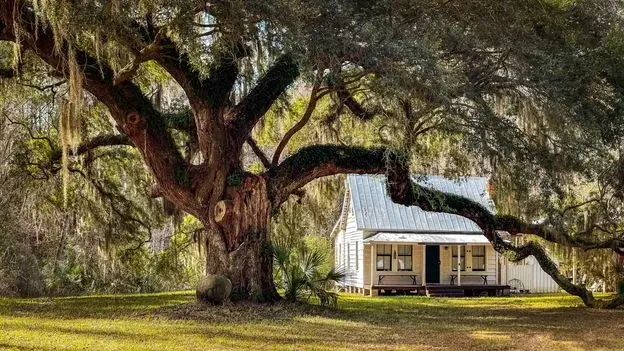
The Gullah Geechee Cultural Heritage Corridor, a 500-mile stretch along the US Southeast coast, marks its 20th anniversary as a National Heritage Area. This region preserves a distinct language and culture rooted in West Africa, sustained by communities on isolated sea islands. While the corridor celebrates its 2026 anniversary with festivals and tours, it faces ongoing threats from climate change, land loss, and development pressure.
Key points
- The Gullah Geechee Cultural Heritage Corridor spans approximately 500 miles from North Carolina to southern Florida, designated by Congress in 2006.
- The culture originated from enslaved West and Central Africans brought to the Carolinas in the 17th and 18th centuries, whose isolation on sea islands allowed them to retain African traditions.
- Key cultural elements include the Gullah language, which blends English with African roots, and practices like the 'ring shout' ritual and sweetgrass basketry.
- Mitchelville, established in 1862 on Hilton Head Island, was the first self-governed town of free Black people in the US, though it declined by the 1880s.
- Approximately one million people in the US claim Gullah Geechee heritage, including public figures like Michelle Obama and Darius Rucker.
- The corridor faces challenges from climate change, which is disturbing cemeteries and rendering land straits impassable, as well as pressure from developers on heirs' property.
Background
Recent coverage of American cultural history, such as the Smithsonian's emphasis on honest historical narratives and discussions of regional differences, highlights a growing interest in preserving diverse American identities. The Gullah Geechee story fits into this broader trend of recognizing African diaspora contributions to US culture and democracy, moving beyond traditional narratives focused on colonial settlements like Jamestown.
How outlets are covering it
The BBC provides a comprehensive cultural and historical overview, emphasizing the resilience of Gullah Geechee traditions and the personal significance of the corridor for descendants. In contrast, Coastal Review focuses on the practical and administrative aspects of the corridor, highlighting an upcoming event in Wilmington that discusses the Gullah Geechee Resiliency Plan. This secondary source underscores the current focus on climate resilience and economic development as tools for cultural preservation, whereas the BBC narrative centers on the enduring legacy of language, food, and music. While the BBC notes the threat of development, Coastal Review frames environmental challenges as a key area for advocacy and tourism growth.
Why it matters
The Gullah Geechee Corridor represents a unique link between African traditions and American history, offering a tangible connection to the roots of US democracy and culture. As the corridor marks its 20th anniversary, the struggle to preserve this heritage against climate change and development highlights the broader challenges facing marginalized communities in the US. Preserving this culture is essential for understanding the full scope of American history and the contributions of African descendants to the nation's identity.
What to watch
The Gullah Geechee Cultural Heritage Corridor will host a 3rd Annual Gullah Convening on 19 December 2026, following the Gullah Food Festival in October. Officials will continue to implement the Resiliency Plan to address climate threats and advocate for the protection of ancestral lands. The corridor will also promote tourism through heritage trails and cultural events, aiming to balance economic development with preservation efforts.
Want the full story? Read the original reporting
Read on BBC