
New Cookbook Links WWII Survival Stories to Recipes
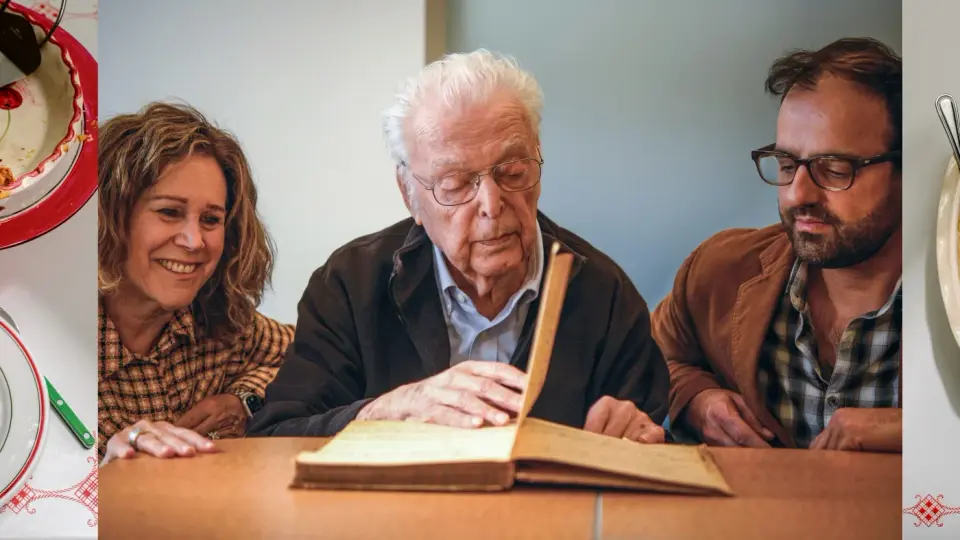
Chef Alon Shaya and food historian June Hersh have released a new historical cookbook titled 'Memories of a Good Meal,' which pairs recipes with stories of resilience from World War II. The book, inspired by Shaya’s earlier 'Rescued Recipes' initiative at the United States Holocaust Memorial Museum, features dishes linked to POWs, partisans, and displaced families, aiming to foster conversation and remembrance through shared meals.
Key points
- Chef Alon Shaya of New Orleans restaurant Saba and food historian June Hersh co-authored 'Memories of a Good Meal: Recipes of Resilience Inspired by Stories of World War II Survival.'
- The project originated from Shaya’s 'Rescued Recipes' initiative at the United States Holocaust Memorial Museum, which explored the role of food during the war.
- The book includes the story of U.S. Army Master Sergeant Roddie Edmonds, who posthumously received the Congressional Medal of Honor this year for refusing to hand over Jewish troops to the Nazis.
- Edmonds and fellow POWs in a German camp mentally escaped by planning a fictional restaurant called the Jolly Chef, dreaming of dishes like filet mignon and candied yams.
- Other chapters cover Polish partisans who used vodka as currency and celebrated with flambéed potatoes, as well as Hungarian Jews whose cook saved their family cookbook before they were sent to Auschwitz.
- Hersh argues that retaining food memories was a form of resistance, stating that captors could impose labor or starvation but could not take away a person's culinary heritage.
Background
This release follows broader cultural discussions about food and memory, including recent consumer backlash against private equity acquisitions of major food chains, which has heightened public interest in the authenticity and history behind dining experiences.
Why it matters
The cookbook transforms historical trauma into a communal act of remembrance, using food as a vehicle to discuss resilience, heroism, and the enduring power of cultural identity in the face of oppression.
What to watch
Shaya hopes home cooks will use the recipes to facilitate dinner table conversations about the historical narratives behind the dishes, encouraging people to put down their phones and engage with the stories of survival.
Want the full story? Read the original reporting
Read on NPR