
Army Establishes New Autonomous Command Amid Controversial Pentagon Commission
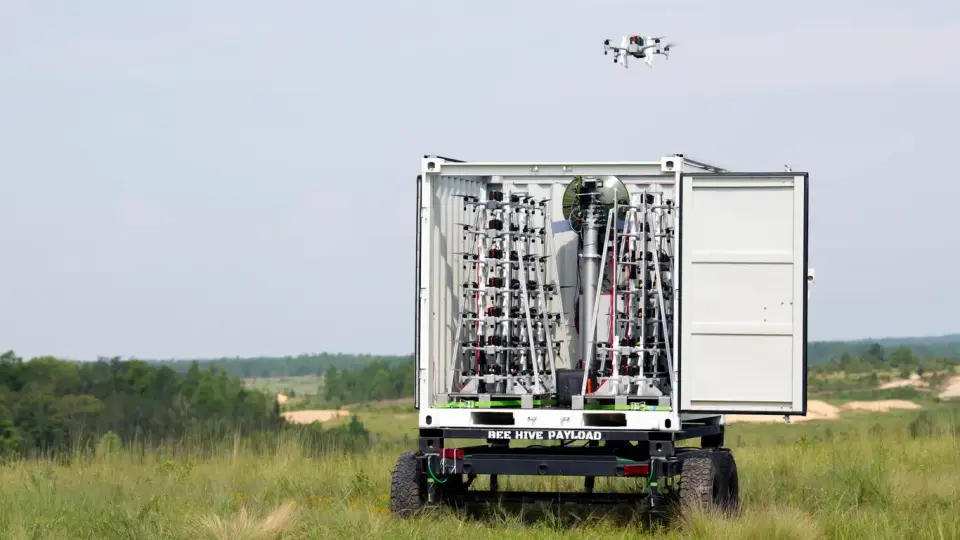
The U.S. Army has created a new command to accelerate autonomous systems, following Defense Secretary Pete Hegseth’s announcement of a controversial advisory commission led by tech billionaires Elon Musk and Palmer Luckey.
Key points
- Acting Army Secretary Adam Telle issued a memo establishing the Army Futures and Autonomous Systems Command (FASCOM) to prioritize the acquisition of smart machinery.
- The directive mandates autonomous force development across at least six service formations, including aviation, armor, and sustainment.
- A new portfolio acquisition executive for autonomy will focus this fiscal year on autonomous fires, combat vehicles, and surveillance systems.
- These moves follow Hegseth’s unveiling of Project Meridian, a four-month advisory commission tasked with mapping the future of warfare.
- Project Meridian includes Elon Musk, Palmer Luckey, and former House Speaker Newt Gingrich, raising concerns about conflicts of interest due to their companies’ defense contracts.
Background
This development follows a period of significant leadership instability in the Army, including the resignation of Secretary Daniel Driscoll and the firing of Gen. Randy George, which prompted congressional concerns about a pause in drone modernization. In early October, Hegseth also announced a broader Autonomous Warfare Command and Project Agincourt to overhaul drone acquisition, signaling a shift toward rapid integration of AI and robotics despite previous bureaucratic hurdles.
How outlets are covering it
Axios emphasizes the Army’s internal structural changes, highlighting Telle’s memo as a direct response to Hegseth’s push to eliminate 'bureaucratic inertia' and maintain a 'lethal edge.' In contrast, Politico and The Guardian focus heavily on the ethical and political implications of Project Meridian, criticizing the appointment of Musk and Luckey as a conflict of interest that threatens the integrity of defense contracting. While Axios frames the autonomy push as a combat readiness necessity, The Guardian notes that Musk and Luckey are major campaign donors for the Republican party, suggesting their influence may prioritize political alliances over national security. Politico adds that the commission’s report may arrive too late to impact the 2028 budget, though it could still skew future contracts.
Why it matters
The creation of FASCOM and the appointment of a dedicated acquisition executive signal a decisive shift in the Army’s procurement strategy, prioritizing speed and autonomy over traditional bureaucratic processes. However, the involvement of major defense contractors in the strategic planning of future warfare raises significant questions about the impartiality of military modernization and the potential for consolidation of power among a few tech firms.
What to watch
The Army will begin implementing autonomous force development in at least six formations this fiscal year, while the Project Meridian commission is expected to deliver its final report in January 2027. The Pentagon will also expand authorizations for new military occupational specialties related to unmanned systems across all applicable units.
- Exclusive: Army creates autonomy command amid Hegseth's robo-warfare push Axios
- Musk-led war commission triggers alarms in Pentagon Politico
- Hegseth puts the future of warfare in the hands of major Maga donors | Trump administration The Guardian
- Pentagon creates 'Autowarcom' to expand AI and drone capabilities Reuters
- Musk returns to US government for Pentagon war study Yahoo
Want the full story? Read the original reporting
Read on Axios