defense1.73 min read
Lockheed Martin Launches PAC-3 Edge to Counter Hypersonic Threats
20 hours ago•Source: Defense News

The latest defense stories, each synthesized from multiple sources with added background and context.
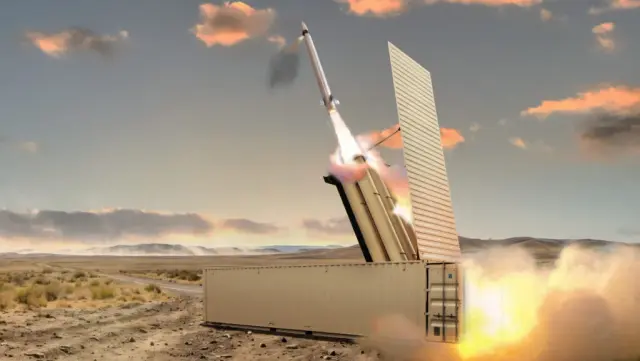
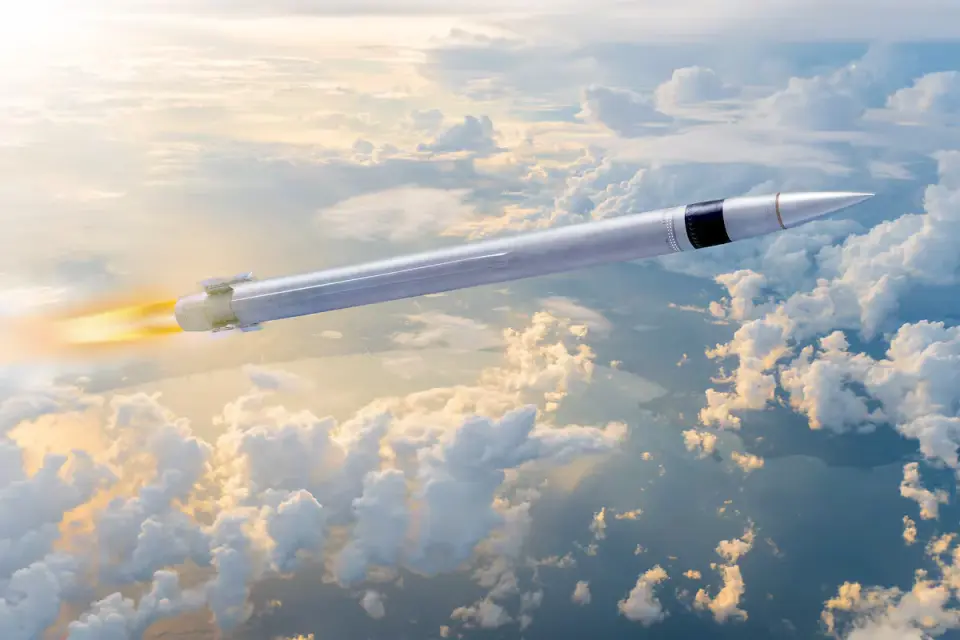
Lockheed Martin has revealed the PAC-3 Edge, a next-generation interceptor designed to replace the current PAC-3 MSE in the U.S. Army's Future Interceptor program. The new missile offers increased range, altitude, and seeker sensitivity to counter hypersonic and advanced threats. Lockheed plans to begin testing in 2027 and deploy by 2031, investing hundreds of millions in its development while ramping up current PAC-3 production.

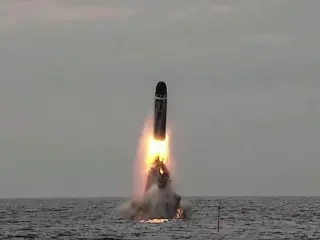
France conducted the first live-fire test of its upgraded M51.3 strategic ballistic missile from the submarine Le Vigilant on October 6, 2026. President Emmanuel Macron observed the launch from a warship, describing it as a critical step for strategic credibility. The missile, which entered service in October 2025, was fired without a nuclear warhead and impacted in the North Atlantic. This test validates the submarine's return to full operational status after a major overhaul and coincides with heightened tensions regarding Russian nuclear threats.

Anduril Industries has announced a $6.6 billion investment to construct a new shipyard, designated Arsenal-2, at the former Bethlehem Steel site in Sparrows Point, Maryland. The facility, which includes $3.7 billion in private capital and up to $2.9 billion from the U.S. Navy, will manufacture components for Virginia-class submarines. Operations are expected to begin in 2030, creating 3,100 direct jobs and supporting 14,000 total positions. This marks Anduril’s first entry into the legacy defense supply chain, aiming to alleviate production bottlenecks in the submarine industrial base.

President Trump announced a $7 billion partnership with Anduril to build submarine components in Maryland, marking a major shift for the autonomous-weapons firm into traditional shipbuilding.

France successfully test-fired its new M51.3 nuclear-capable ballistic missile from the submarine Le Vigilant on October 6, 2026. President Emmanuel Macron observed the launch from a warship, calling it a vital step for strategic credibility. The missile, which entered service in October 2025, was launched without a warhead and impacted in the North Atlantic. The test coincides with heightened tensions over Ukraine and Russia's nuclear threats.

The US Air Force withdrew all B-1 bombers from RAF Fairford in the UK on Sunday, citing security threats linked to Iran. This move highlights deepening friction between Washington and London over defense spending and security commitments, as the UK investigates a suspected terror plot at the base.

Ukraine is testing new 'Nika' missiles and the German-developed 'SPYS' interceptor to counter Russian jet-powered drones, while deploying AI-enabled .50-caliber turrets in Kyiv to improve interception rates that currently stand at 50-70%.

Ukrainian President Volodymyr Zelenskyy stated on October 3, 2026, that the domestically developed FP-9 ballistic missile will be ready this fall. The weapon, produced by Fire Point, has a range of 855 kilometers and can reach Moscow. Zelenskyy personally contacted the manufacturer to speed up production following the first combat use of the shorter-range FP-7 missile. Ukraine plans to intensify strikes on Russian oil refineries in response to Moscow’s attacks on Ukrainian energy infrastructure.
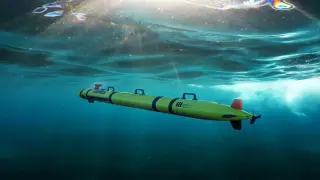
The U.S. Navy has accelerated its shift toward autonomous maritime systems by awarding HII a $123.4 million contract for the Lionfish underwater drone and securing production deals for 30 medium unmanned surface vessels (MUSVs) from three Louisiana-based shipyards. The Lionfish order, the largest in the program's history, expands the fleet toward a potential 200 vehicles, while the MUSV awards mark the first production phase of a new marketplace initiative.
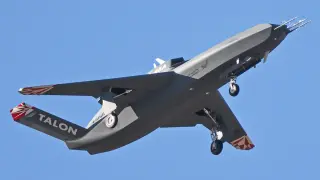
Northrop Grumman’s YFQ-48A Talon Blue completed its first fully autonomous flight on October 3, 2026, from Mojave Air and Space Port. The uncrewed aircraft, built by subsidiary Scaled Composites, successfully executed taxi, takeoff, maneuvers, and landing. This milestone advances the company’s internally funded Project Talon, which aims to provide affordable, mass-producible autonomous airpower for the U.S. Air Force’s Collaborative Combat Aircraft (CCA) Increment 2 program. The aircraft features a Pratt & Whitney PW500 engine, a high air intake, and an integrated weapons bay, with design innovations reducing part count by 50% and weight by 1,000 pounds compared to previous proposals.

The U.S. Army has established a new command, FASCOM, to prioritize autonomous technology, following Defense Secretary Pete Hegseth's broader push for an Autonomous Warfare Command. This move coincides with controversy over a Pentagon advisory commission led by billionaire contractors Elon Musk and Palmer Luckey.