
Grand Canyon Flood Claims Two Hikers, Leaves One Missing as Infrastructure Collapses
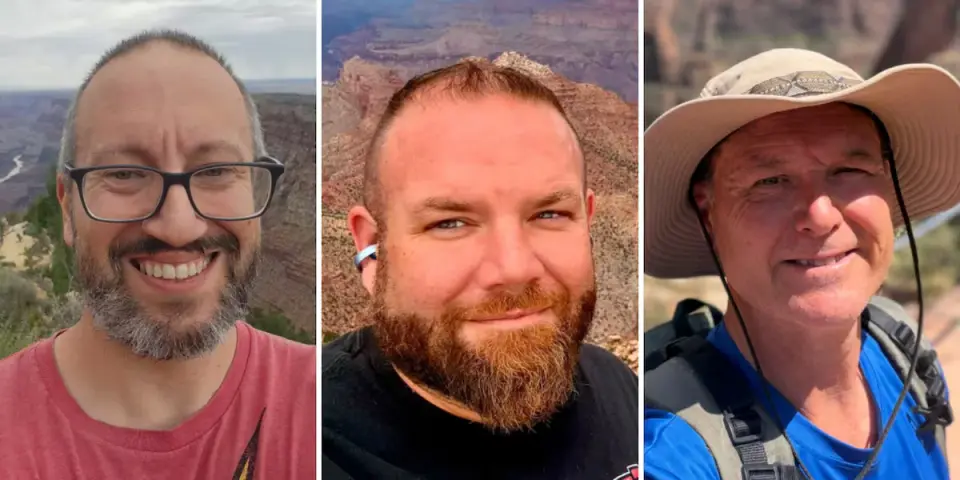
Flash flooding in Grand Canyon National Park on August 29, 2026, killed two men and left one missing. The storm, driven by intense monsoon rains, destroyed critical infrastructure, including the Transcanyon Waterline, and forced widespread evacuations. Search operations continue for Timothy Smith, while the park faces severe water restrictions and trail closures.
Key points
- Two hikers, Dr. John Giusti (46) and Brent Rosenkranz (42), were identified as victims of the August 29 flash flood; their friend Timothy Smith (53) remains missing.
- The flood, which began around 2:30 p.m. on Saturday, trapped 82 people in the canyon, leading to the evacuation of 82 individuals by Sunday afternoon.
- The Transcanyon Waterline suffered approximately 40% damage, forcing Stage 4 water restrictions and halting all overnight lodging within the park until September 6.
- Nearly all footbridges over Bright Angel Creek were destroyed, and the Colorado River was closed to traffic due to debris and metal structures.
- Search efforts involve dogs, helicopters, drones, and ground crews, with additional monsoon storms threatening to delay recovery operations.
Background
This incident follows a series of earlier reports from our archive detailing the immediate aftermath of the August 29 flood, which initially left over 20 people unaccounted for. Previous coverage highlighted the urgent evacuations from Phantom Ranch and the North Kaibab Trail, as well as the critical damage to the water pipeline that serves the park's residents and visitors. The current update confirms the identities of the deceased and the ongoing status of the missing hiker, Timothy Smith.
How outlets are covering it
The primary source, AZFamily, emphasizes the human tragedy and the specific identities of the victims, detailing the personal backgrounds of the deceased and the ongoing search for Timothy Smith. It highlights the emotional impact on families and the logistical challenges of the search. The Washington Post focuses on the meteorological causes, attributing the extreme rainfall to Arizona's monsoon season and higher-than-normal atmospheric moisture levels, which are linked to El Niño conditions. While AZFamily notes the risk of monsoon season, The Washington Post provides a broader climate context, explaining how increased water vapor fueled the event. Both sources agree on the severity of the infrastructure damage, but AZFamily provides more detail on the specific closures and water restrictions, while The Washington Post focuses on the weather patterns driving the event.
Why it matters
The Grand Canyon flash flood underscores the increasing risks of extreme weather events in arid regions, driven by climate change and monsoon patterns. The destruction of critical infrastructure, such as the Transcanyon Waterline, highlights the vulnerability of remote areas to sudden environmental shifts. The ongoing search for Timothy Smith and the widespread closures demonstrate the significant impact of such events on both public safety and the operational capacity of national parks. This incident serves as a stark reminder of the dangers posed by flash flooding in steep, rocky terrain, particularly during monsoon season.
What to watch
Search and rescue teams will continue efforts to locate Timothy Smith, utilizing dogs, drones, and ground crews. Park officials will assess the extent of damage to trails, bridges, and utilities, with no set timeline for reopening closed areas. Water restrictions will remain in place to conserve limited supplies, and overnight lodging will remain closed until September 6. Additional monsoon storms could further delay recovery and damage assessments.
- Texas chiropractor dead after devastating Grand Canyon flooding, family says azfamily.com
- These forces drove the deadly Grand Canyon flash flooding The Washington Post
- Oregon preschool teacher survives deadly flash flood in Grand Canyon KGW
- Family reflects on 2024 tragedy as search continues for missing man at Grand Canyon azfamily.com
- Texas chiropractor, martial artist killed in Grand Canyon flood, third hiker still missing The Weather Channel
Want the full story? Read the original reporting
Read on azfamily.com