
Grand Canyon flash floods kill two, evacuate 82, and destroy critical water infrastructure
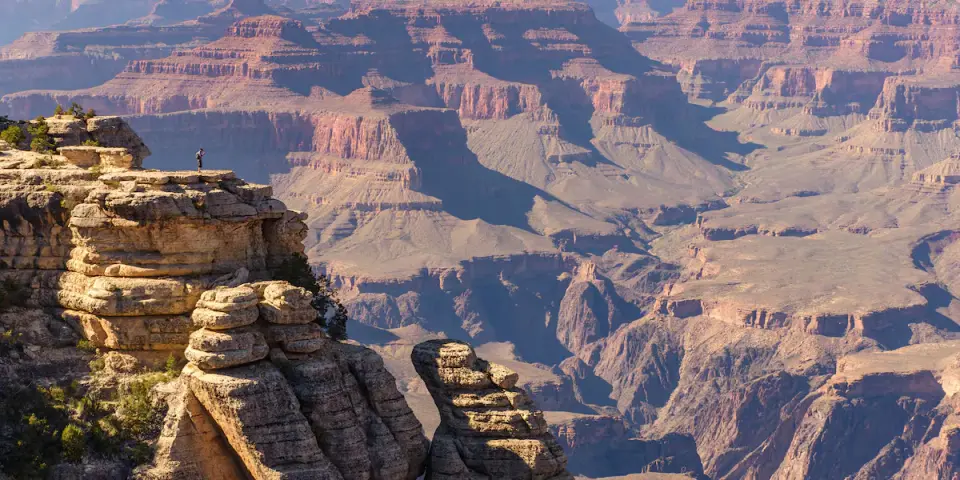
Flash flooding in Grand Canyon National Park on August 29, 2026, resulted in two confirmed deaths and the evacuation of approximately 82 people. The sudden surge in Bright Angel Canyon, triggered by intense monsoon rains, destroyed key infrastructure, including the Transcanyon Waterline, leaving the park with limited water reserves. While initial reports indicated no injuries, subsequent updates confirmed fatalities and ongoing searches for a missing person.
Key points
- Two individuals, Dr. John Giusti (46) and Brent Rosenkranz (42), died in the flooding; their friend Timothy Allen Smith remains missing.
- Approximately 82 people were evacuated from the hard-hit areas, with around 50 airlifted from the Phantom Ranch area.
- The Transcanyon Waterline, a 12.5-mile pipeline supplying water to the park, suffered extensive damage, with 40% of the system destroyed.
- Phantom Ranch, the North Kaibab Trail, and Bright Angel Campground remain closed until further notice.
- The park has approximately two weeks of water storage remaining, necessitating strict conservation measures.
Background
The Grand Canyon is the fourth-most visited national park in the U.S., with over 4.4 million visits in 2025. The area is prone to flash flooding during the monsoon season, which runs from June 15 to September 30. Previous incidents, such as the 2025 Dragon Bravo fire, have left burn scars that increase runoff and flooding risks. The park's infrastructure, including the Transcanyon Waterline constructed in the 1960s, is critical for operations and visitor services.
How outlets are covering it
Initial reports from AZFamily and FOX 10 Phoenix emphasized the evacuation of approximately 50 people and the closure of key areas, with no injuries reported. CBS News later provided updated information, confirming two deaths and one missing person, and detailed the extensive damage to infrastructure, including the Transcanyon Waterline. The Arizona Republic and azcentral.com focused on the weather conditions, noting that 0.25 to 0.75 inches of rain fell in 30 minutes, triggering the flash flood. All sources agree on the severity of the event and the ongoing response efforts, but differ in the scope of the damage and the number of evacuees.
Why it matters
The incident highlights the vulnerability of critical infrastructure in national parks to extreme weather events. The destruction of the Transcanyon Waterline threatens the park's ability to sustain operations and visitor services, potentially impacting the millions of annual visitors. The fatalities and ongoing search for a missing person underscore the dangers of flash flooding in the Grand Canyon, especially during the monsoon season. The event also raises concerns about the long-term impacts of wildfires on soil stability and flooding risks.
What to watch
Park officials are continuing evacuation and response efforts, working to account for the missing person. The Transcanyon Waterline is expected to require significant repairs, with officials anticipating 'miles of pipeline' might be destroyed. The park is implementing water conservation measures to ensure available supplies can be maintained. Additional flash flooding is possible due to ongoing monsoon conditions, and a flood watch has been issued for northern and central Arizona. The concessionaire, Xanterra, is contacting guests regarding future reservations at Phantom Ranch.
- Dozens of people rescued from Grand Canyon trails after flash flooding AZ Family
- Dozens of people evacuated from parts of the Grand Canyon after flash floods CBS News
- 50 airlifted from Grand Canyon after sudden flood FOX 10 Phoenix
- Flash flooding in Bright Angel Canyon leads to evacuations in Phantom Ranch area 12News
- 50 people evacuated from Grand Canyon after flash flood, weather service says azcentral.com and The Arizona Republic
Want the full story? Read the original reporting
Read on AZ Family