
Omaha schools ban police shock gloves after ICE procurement sparks national scrutiny
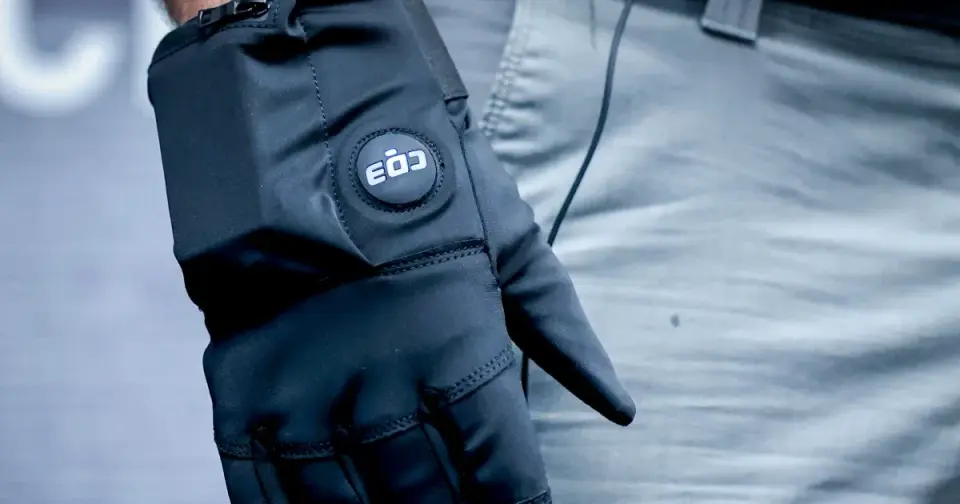
Omaha Public Schools, Nebraska’s largest district, has agreed to stop using electric shock gloves (G.L.O.V.E.s) in its schools following intense community backlash. The decision follows national scrutiny triggered by ICE’s plan to purchase similar devices. While Omaha police agreed to the ban, Bellevue police, which patrols two Omaha schools, will continue carrying the gloves. The controversy highlights a communication gap between police and school leadership, with emails revealing that district officials were aware of the technology since 2023, despite the superintendent claiming ignorance until August 2026.
Key points
- Omaha Public Schools Superintendent Matthew Ray requested that Omaha Police stop using G.L.O.V.E. gloves in district buildings; police agreed on August 18, 2026.
- The gloves were used twice in the 2025-2026 school year, including once on a student with learning deficits at an Integrated Learning Center.
- Bellevue Police, which patrols two Omaha schools, rejected the request and will continue carrying the devices, citing their safety and effectiveness.
- Omaha police purchased 40 pairs of gloves for approximately $66,000 in 2025, funded through asset forfeiture after budget requests failed.
- The national debate intensified after ICE announced a $20 million plan to equip agents with the same technology, drawing criticism from human rights groups.
Background
This local dispute mirrors a broader national trend. In August 2026, the Department of Homeland Security announced plans to spend up to $20 million to equip ICE officers with G.L.O.V.E. gloves, described as a less-lethal alternative to Tasers. This federal move drew immediate criticism from civil rights organizations, including Amnesty International, which warned of potential misuse. The Omaha controversy emerged as local officials grappled with the same technology already deployed in schools, forcing a re-evaluation of police-school partnerships and use-of-force policies in educational settings.
How outlets are covering it
Outlets diverge on the transparency of the decision-making process. NBC News and KETV highlight a communication breakdown, noting that while Superintendent Ray claimed ignorance, emails from 2023 show the district’s school safety supervisor was aware of the gloves. WOWT emphasizes that police chief Todd Schmaderer maintains no opinions changed after meeting with school leaders, asserting the department acted in good faith. Mother Jones frames the issue through a civil rights lens, noting that police officers have described the gloves as 'less conducive to lawsuits' and that the manufacturer’s manual advises against use on small children. While all sources agree on the facts of the ban and the two incidents, they differ on the degree of negligence: local outlets focus on administrative gaps, while national outlets emphasize the potential for abuse and the lack of safeguards for vulnerable students.
Why it matters
The decision sets a precedent for how school districts can override police use-of-force policies in educational environments. It highlights the tension between law enforcement’s desire for less-lethal tools and parents’ concerns about the safety of children, particularly those with disabilities. The split between Omaha and Bellevue police demonstrates that local jurisdictions may adopt different standards for the same technology, creating inconsistent safety protocols for students in the same metro area. Furthermore, the controversy underscores the need for clearer communication channels between police departments and school administrations regarding new technologies that impact student welfare.
What to watch
Omaha Public Schools will continue to work with Omaha Police, who will retain other tools like Tasers and batons. Bellevue Police will maintain its use of G.L.O.V.E. gloves in the two Omaha schools it patrols. The district is expected to review its communication protocols to ensure future equipment changes are escalated to the superintendent. Meanwhile, the national debate over ICE’s procurement of shock gloves will likely continue, with potential distribution as early as March 2027, keeping the technology under scrutiny in both law enforcement and educational contexts.
- Nebraska’s largest school district asks police to stop using electric shock gloves on students NBC News
- EXCLUSIVE: Omaha Police Chief says opinions not changed after meeting with OPS leaders on shock gloves WOWT
- Omaha’s largest school district stops officers from using electric shock gloves on students KELOLAND.com
- Emails show Omaha Public Schools were aware of shock gloves in 2023 KETV
- Cops Love ICE’s New Shock Gloves. Parents Want Them Out of Schools. Mother Jones
Want the full story? Read the original reporting
Read on NBC News