
Treasury Finalizes Rules for $26B Federal School Voucher Program
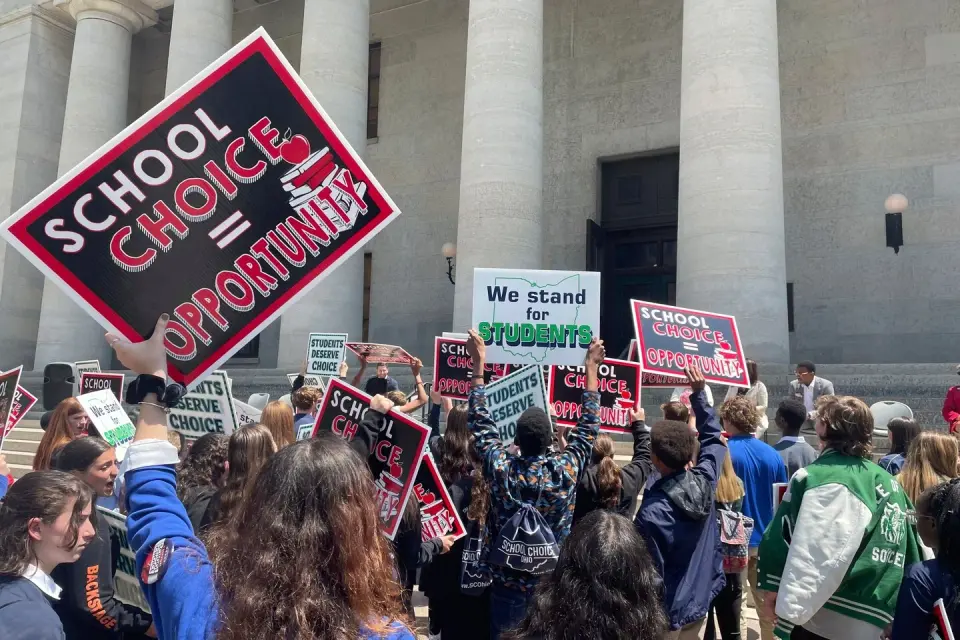
The U.S. Treasury and IRS released proposed rules for the Education Freedom Tax Credit, the nation’s first federal school voucher program, set to launch January 1, 2027. The initiative offers a dollar-for-dollar tax credit of up to $1,700 per individual ($3,400 for joint filers) for donations to scholarship-granting organizations. These funds can cover private school tuition, tutoring, and public school expenses like special education services. While the program aims to expand choice, it faces opposition from teachers' unions and civil rights groups who fear reduced public school funding and increased racial disparities. Democratic governors face pressure to decide whether to opt their states into the voluntary program before the January deadline.
Key points
- The program is estimated to generate $26 billion in annual taxpayer contributions by 2030, supporting approximately 2.2 million scholarships through 600-700 organizations.
- Eligibility covers households with incomes up to 300% of the area median, potentially reaching 96% of students in participating states.
- States cannot impose additional restrictions on the types of schools or expenses covered by the scholarships, limiting local control over the program's implementation.
- Thirty states had indicated participation as of September 14, 2026, while others like Wisconsin and Oregon have opted out; states must commit by January 1, 2027.
- Critics argue the program diverts resources from public schools and lacks sufficient accountability, while supporters claim it will boost funding for diverse educational models.
Background
This development follows the passage of the 2025 'One Big Beautiful Bill,' which authorized the federal scholarship tax credit. The program builds on existing state-level school choice initiatives, with approximately 1.6 million students currently participating in 75 state programs across 34 states, D.C., and Puerto Rico. Recent debates over public school funding and equity, such as the Minneapolis school closure proposals and U.S. News rankings emphasizing underserved student performance, highlight the ongoing tension between school choice advocates and public education stakeholders.
How outlets are covering it
The Washington Post emphasizes the political pressure on Democratic governors to opt in, noting the potential for funds to benefit public school students alongside private schools. Politico highlights the 'Education Freedom Tax Credit' branding and the fierce opposition from teachers' unions and civil rights groups, framing the move as a strategic push by the Trump administration. K-12 Dive provides detailed logistical data, including the $26 billion annual estimate, the 96% eligibility threshold, and the restriction on state-level controls, while also noting the formation of new scholarship-granting organizations. AP News focuses on the practical mechanics for families and the expansion of the program to private and homeschooling options, though its coverage is less detailed on the political controversy. The outlets generally agree on the program's scale and timeline but differ in emphasis: The Post and Politico focus on the political and equity implications, while K-12 Dive and AP focus on the operational details and potential benefits for families.
Why it matters
The launch of a federal school voucher program represents a significant shift in U.S. education policy, potentially redirecting billions of dollars from traditional public school funding to private and alternative educational options. This could alter the financial landscape for public schools, particularly in low-income areas, and reshape the debate over educational equity and access. The program's success or failure will likely influence future federal education legislation and state-level policies, making it a pivotal moment for the American education system.
What to watch
Public comments on the proposed rule will be accepted for 60 days, after which the Treasury will issue a final rule. States must submit their lists of qualifying scholarship-granting organizations by February 15, 2027. Donations can begin in 2027, with tax credits claimed by Tax Day 2028. The program's impact on public school funding and student outcomes will be closely monitored, potentially leading to further legislative debates or adjustments in 2028.
- Treasury releases rules for nation’s first federal school voucher program The Washington Post
- Trump administration unveils education tax credit, ramping up pressure on Democratic governors Politico
- IRS proposes rule for groundbreaking school choice program K-12 Dive
- Federal scholarship for private school and homeschooling opening to most kids in at least 30 states AP News
- Playbook for Trump’s $26 Billion School Choice Program Released Bloomberg.com
Want the full story? Read the original reporting
Read on The Washington Post