education-policy20.65 min read
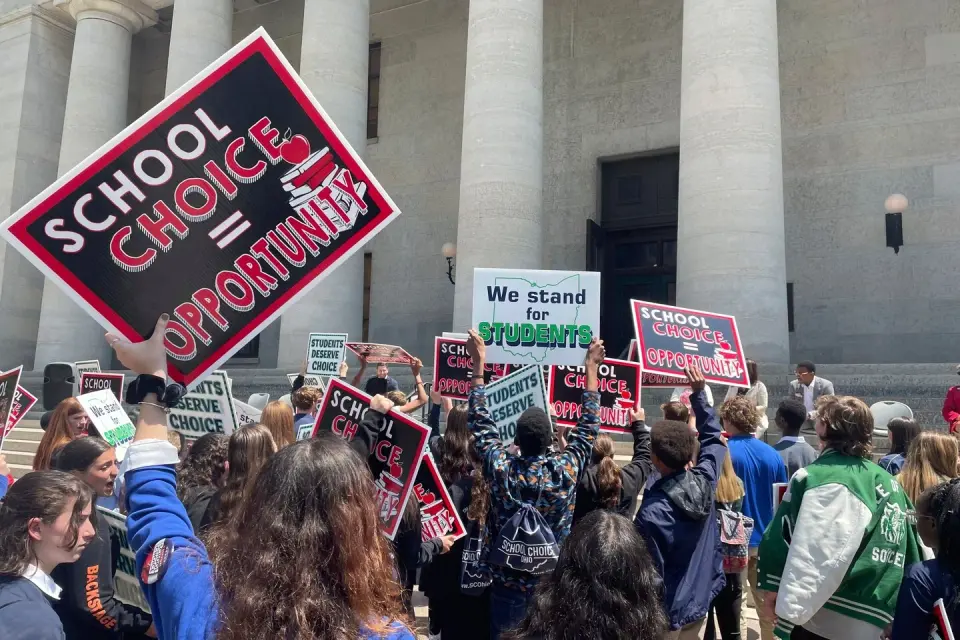
Treasury Finalizes Rules for $26B Federal School Voucher Program
9 days ago•Source: The Washington Post

The latest education policy stories, each synthesized from multiple sources with added background and context.
A federal judge in the District of Columbia voided the Education Department’s rule that narrowly defined 'professional' degrees for higher loan borrowing caps under the One Big Beautiful Bill Act, saying Congress intended the statutory definition to govern and that ED’s extra eligibility criteria went beyond what law requires. The ED had limited higher loan eligibility to 11 programs (e.g., pharmacy, dentistry, law, medicine, etc.), excluding others from the higher caps. Howell stayed the rule pending further litigation; the ED is reviewing the ruling and has not indicated whether it will appeal. The decision creates uncertainty about which programs qualify as 'professional' and could impact funding for advanced healthcare and other fields.
The Associated Press•2 years ago
NBC News•2 years ago
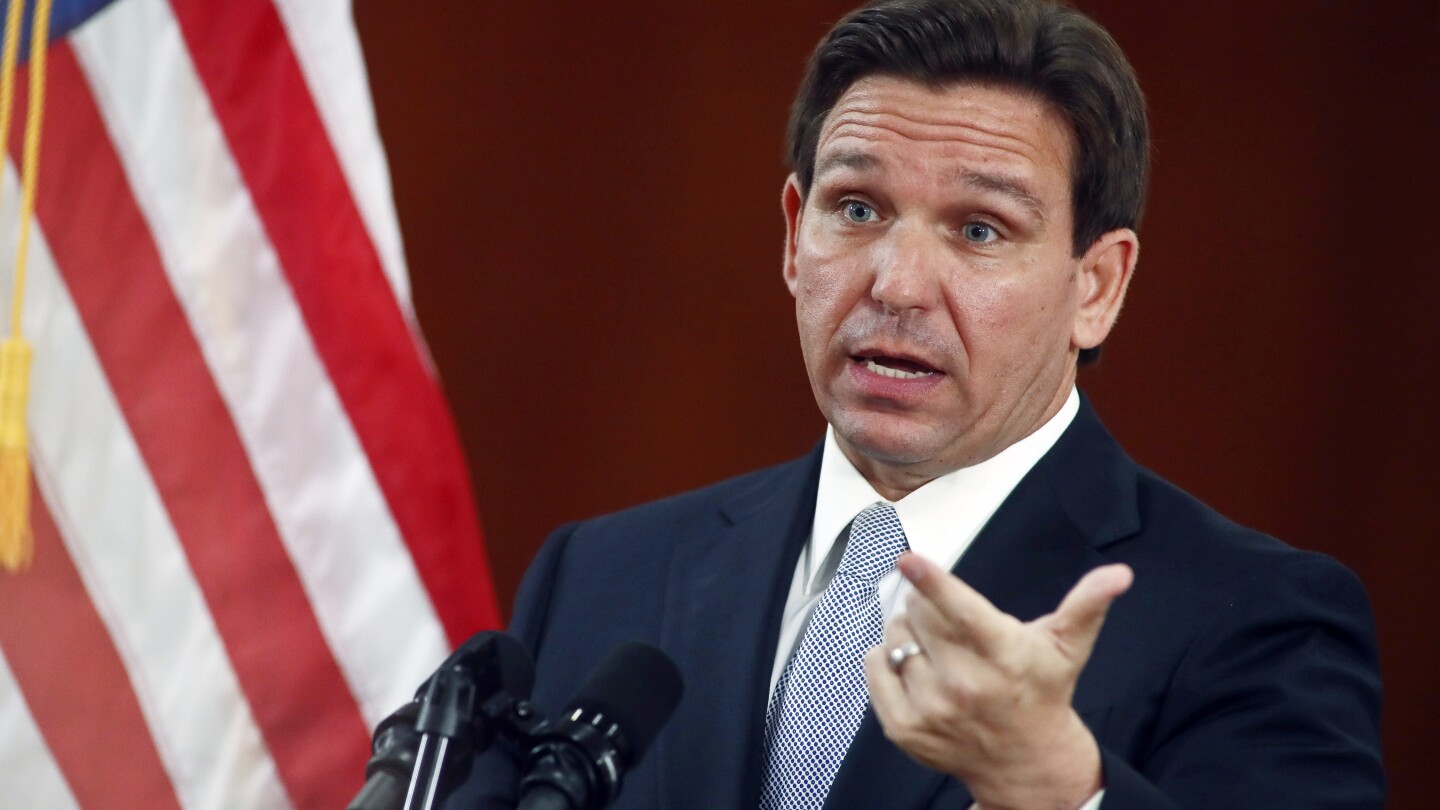
Florida Governor Ron DeSantis has signed a bill narrowing the focus of a controversial book challenge law, blaming liberal activists for abusing it, despite data showing that conservative individuals and groups are responsible for the majority of book removals from school libraries. The original law allowed anyone to challenge books as often as they wanted, leading to a high number of book bans in the state. DeSantis' backtrack comes after warnings from Democrats about the law's potential for abuse, and amid criticism from groups like PEN America.
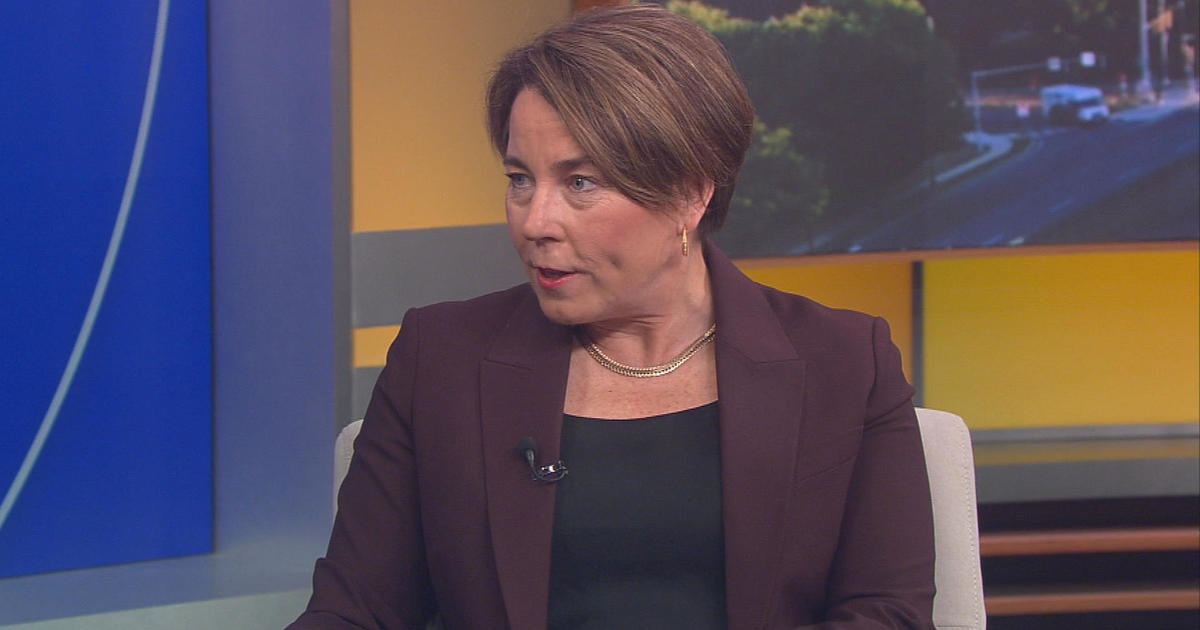
Massachusetts Governor Maura Healey is at odds with teachers unions and superintendents over literacy and MCAS testing. Healey is seeking legislative authority to update literacy curriculums, citing a decline in reading scores, while the unions criticize the "one-size-fits-all approach." She also opposes a ballot question to eliminate MCAS as a graduation requirement, emphasizing the need to assess student performance.
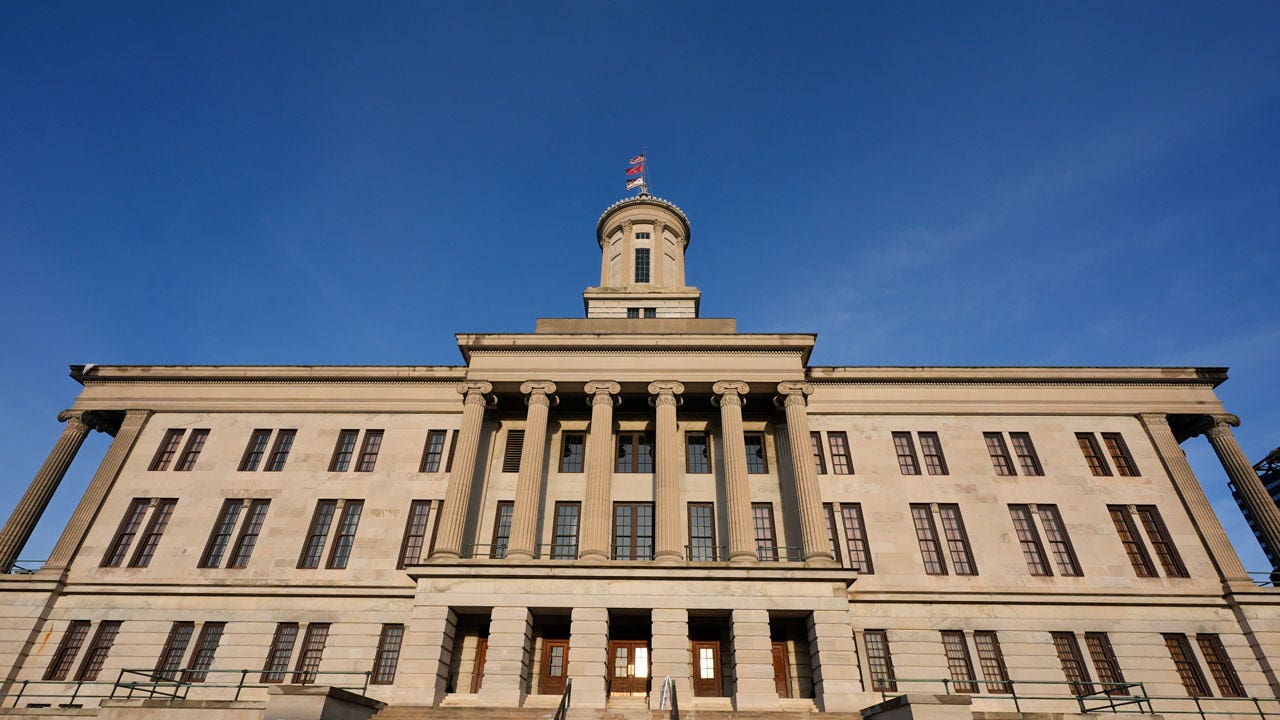
Tennessee lawmakers are at odds over a school voucher bill, with the House and Senate proposing different versions of the legislation. Governor Bill Lee is aiming for a compromise before the end of the legislative session. The House version costs $500 million and includes provisions to strengthen K-12 public schools, while the Senate version is half the cost and focuses on establishing the Education Freedom Scholarship Act and inter-county school enrollment. Lawmakers are divided on the bill's provisions, with the Senate prioritizing families and the House emphasizing fiscal management.

Alabama governor Kay Ivey has signed a bill into law banning diversity, equity, and inclusion programs in public schools, universities, and state agencies, while also requiring bathrooms to be designated by "biological sex," effectively barring trans individuals from using facilities aligning with their gender identity. The law faces opposition from Democrats, civil rights advocates, and student groups, who argue it restricts free speech and diversity efforts, with comparisons drawn to Florida's Stop Woke Act. Critics view the law as an attempt to stifle discourse on race, class, sexuality, and national origin.
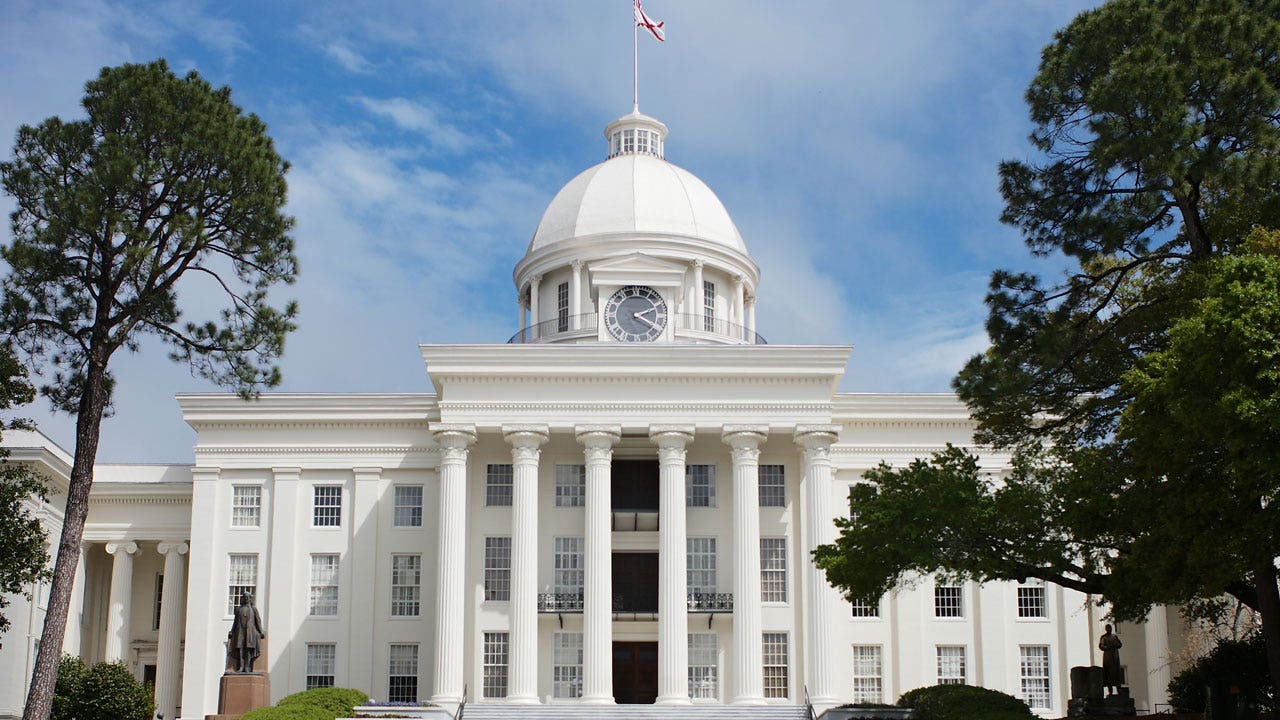
Alabama's GOP-controlled Legislature passed legislation that bans state funding of diversity, equity, and inclusion programs at public colleges and universities, local boards of education, and government agencies, while also restricting teachings on "divisive concepts" about race and gender. The bill also requires transgender students to use the bathroom that aligns with their biological sex. Critics argue that the legislation may be unconstitutional and could disproportionately impact black students, faculty, and staff. If signed into law by Republican Gov. Kay Ivey, the measure will go into effect on October 1.
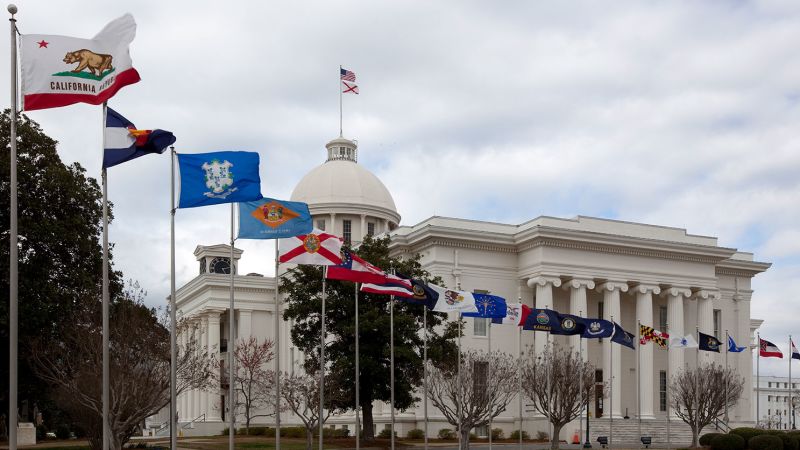
Alabama lawmakers have passed a bill that would prohibit public schools and universities from funding diversity, equity, and inclusion programs, as well as require restrooms to be designated based on biological sex. The bill, which is expected to be signed into law, also outlines "divisive concepts" and allows for disciplinary action against those who violate it. Critics argue that the bill aims to stifle discussions on race, class, and sexuality, while supporters believe it protects against divisive teachings.
Education Secretary Gillian Keegan promotes new government guidance to prohibit mobile phone use during the school day, claiming that about half of schools in England have already banned mobile phones. However, while government data from 2019 suggests that 49% of secondary schools had adopted strict no-use policies, more recent research from the 2022 Programme for International Student Assessment's (Pisa) survey indicates that 71.8% of schools in England do not permit the use of mobile phones on school premises. Additionally, Keegan's claim that school funding is at its highest in history is based on the government's plans for the year ending 31 March 2025, with the total funding in the previous year being £53.4bn and predicted to rise to £59.5bn in 2024-25, according to the government's figures. The independent think-tank the Institute for Fiscal Studies (IFS) confirms that this level of spending, if delivered, would be the highest even when adjusted for rising prices and per pupil, reversing considerable falls in school spending per pupil between 2010 and 2020.
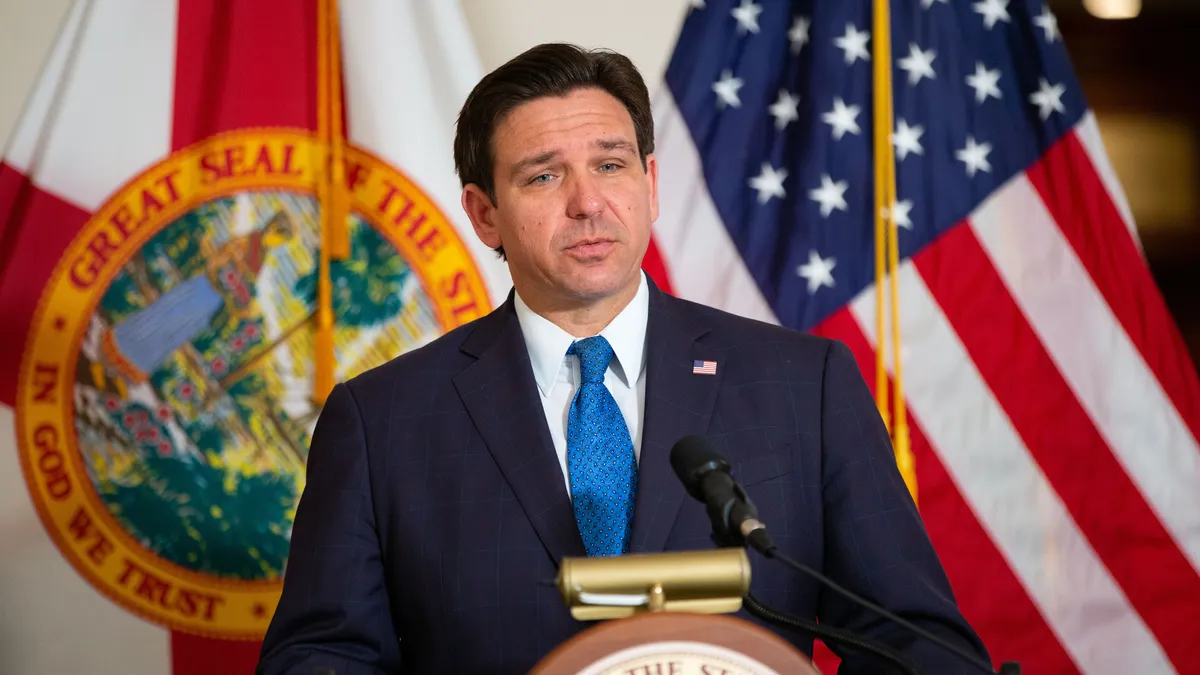
Florida Governor Ron DeSantis is seeking to limit the ability of the public to challenge books in schools, acknowledging that efforts to remove titles from schools have gone too far in some instances. He wants to target what type of content is appropriate in school books and is working with the Legislature to streamline the book challenge process, including potentially imposing fines for frivolous objections and limiting the number of challenges individuals can make. This comes amid ongoing controversies and confusion surrounding book removals in Florida, with DeSantis denying book bans in the state and shifting blame to local school boards and individuals.
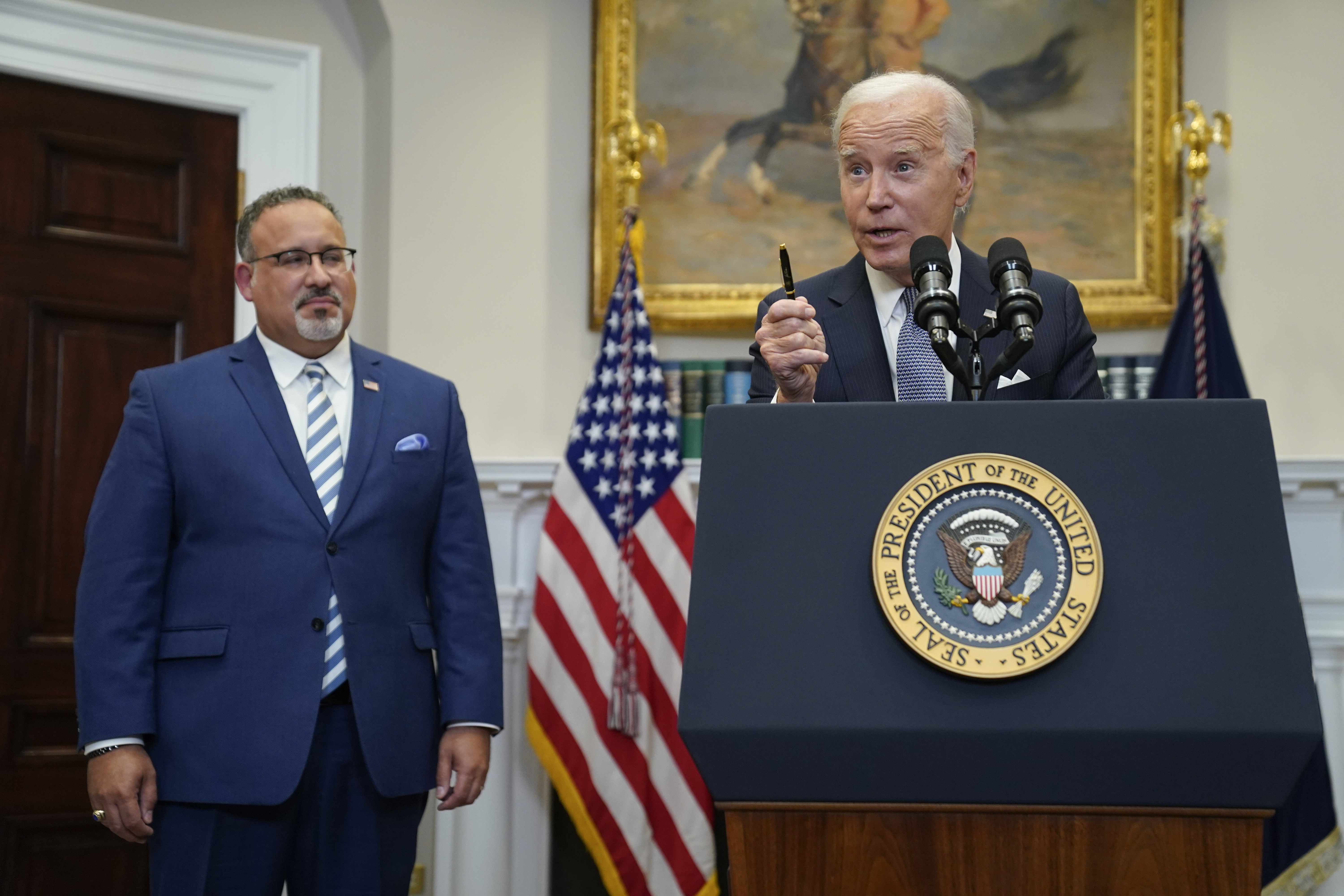
The Biden administration is advancing a long-awaited policy that mandates how schools respond to sexual misconduct and codifies protections for transgender students, sending the regulation to the Office of Management and Budget for final approval. The regulation is expected to unravel much of former Education Secretary Betsy DeVos’ Title IX rule, and the Education Department is also reviewing a separate rule on athletics eligibility for transgender students. The timeline for finalizing these rules has faced delays, with the department emphasizing the need to carefully consider the extensive public comments received on the proposed regulations.
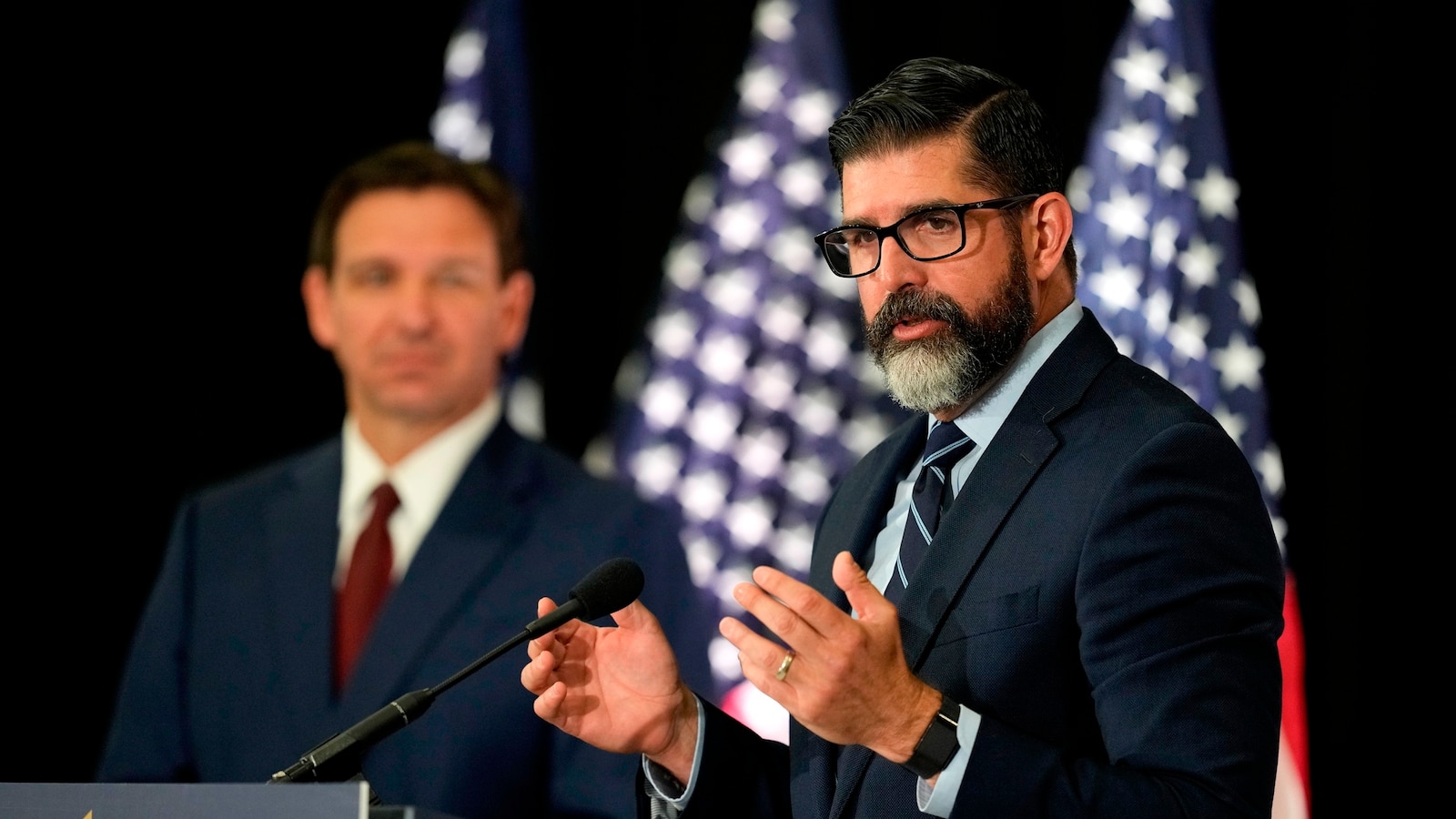
The Florida Board of Education has passed regulations limiting the use of public funds for Diversity, Equity and Inclusion (DEI) programs in public colleges, defining DEI as any program promoting differential treatment based on race, color, sex, national origin, gender identity, or sexual orientation. This decision follows legal battles over the "Stop WOKE" Act, which aimed to restrict race-related curriculum in colleges and universities. Florida Governor Ron DeSantis and his administration have been vocal in their opposition to DEI efforts, with the state's education commissioner emphasizing the need to prioritize academic integrity and knowledge pursuit over what they perceive as divisive ideologies.