
Bend school reopens after tragedy, guided by national trauma experts
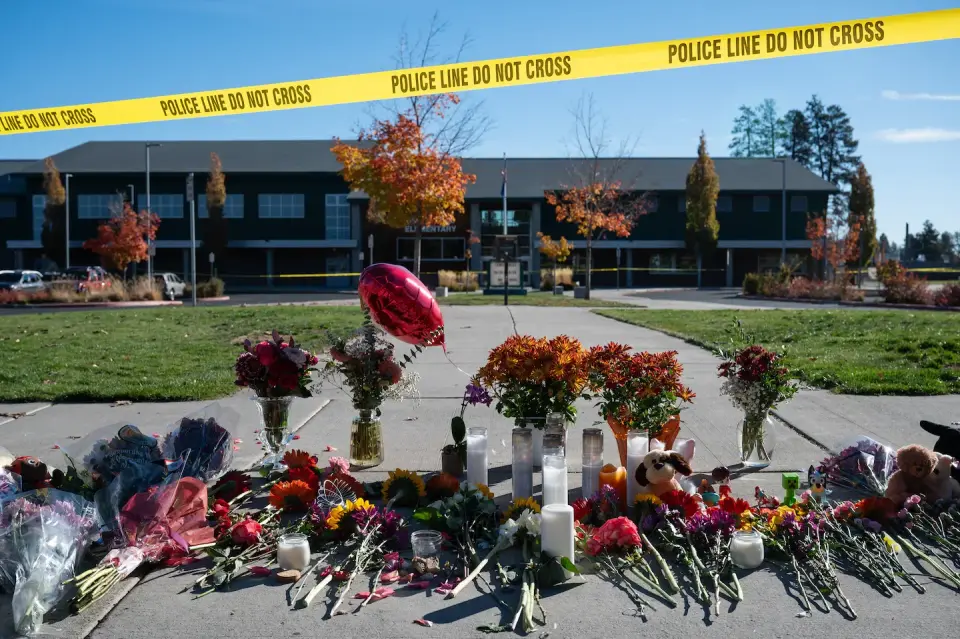
Silver Rail Elementary in Bend, Oregon, reopened on November 12, 2026, nearly a month after a shooting killed four people. The district collaborated with the National Mass Violence Center to implement trauma-informed practices, including sensory kits and extended mental health support. While most families returned, some opted for transfers or homeschooling, and staff received additional leave days to manage grief.
Key points
- Silver Rail Elementary resumed classes on November 12, 2026, following the October 15 shooting that killed three students and one teacher.
- The Bend-La Pine school district partnered with the National Mass Violence Center to guide the reopening process and trauma response.
- The special education classroom where the shooting occurred was sealed off with a temporary wall featuring a local mural to minimize visual reminders.
- District officials reported that over 86% of families preferred returning to Silver Rail, though some chose to transfer or homeschool.
- Teachers received an additional 20 days of leave, and a dedicated school resource officer was assigned to the campus through the end of the year.
- A 'Resource and Resiliency Hub' was established to provide long-term mental health support and community connections.
Background
The reopening follows the October 15, 2026, shooting at Silver Rail Elementary in Bend, Oregon, where a 16-year-old former student, identified in earlier reports as John J. Griffin II, killed four people in a special education classroom. A parent, Kaylub Giamanco, fatally shot the attacker, preventing further casualties. The incident prompted a district-wide closure and significant community trauma, leading to the current focus on healing and structural support.
How outlets are covering it
The Washington Post emphasized the role of the National Mass Violence Center in guiding the district’s trauma response, highlighting the psychological importance of returning to a space associated with joy. OPB focused on community-led initiatives, such as a flower shop event and a crowdsourced fund, illustrating how local residents actively participated in the healing process. KATU highlighted the district’s logistical preparations, including facility repairs and the assignment of a dedicated police officer, while noting that some families remained hesitant to return. All sources agreed on the emotional complexity of the reopening but differed in emphasis: The Post and OPB prioritized psychological and community healing, while KATU focused on safety measures and administrative support.
Why it matters
The reopening of Silver Rail Elementary serves as a model for how school districts can manage post-mass violence recovery. The integration of national trauma experts, long-term mental health resources, and community engagement demonstrates a comprehensive approach to healing. The decision to seal off the crime scene and provide extended leave for staff reflects a shift toward prioritizing psychological safety over immediate academic resumption. This case highlights the ongoing challenges of balancing security, normalcy, and emotional support in the aftermath of school violence.
What to watch
The district plans to continue providing mental health support through the 'Resource and Resiliency Hub' and will monitor student and staff well-being over the coming months. Additional therapists will be available at the school, and the dedicated school resource officer will remain on campus through the end of the year. The district will also assess the need for further adjustments to support families who may require assistance weeks or months after the reopening.
- Oregon school carefully welcomes students back after classroom shooting The Washington Post
- 'Is she going to be safe?': Parents face emotional return to Silver Rail after deadly school shooting KGW
- In Bend, focus on community and support as Silver Rail reopens OPB
- Students return to Silver Rail Elementary for first school day since Bend shooting OregonLive.com
- ‘Claim it back’: Silver Rail students return to school after shooting KATU
Want the full story? Read the original reporting
Read on The Washington Post