
Newsom signs laws capping community college bachelor's degrees at 12 per district
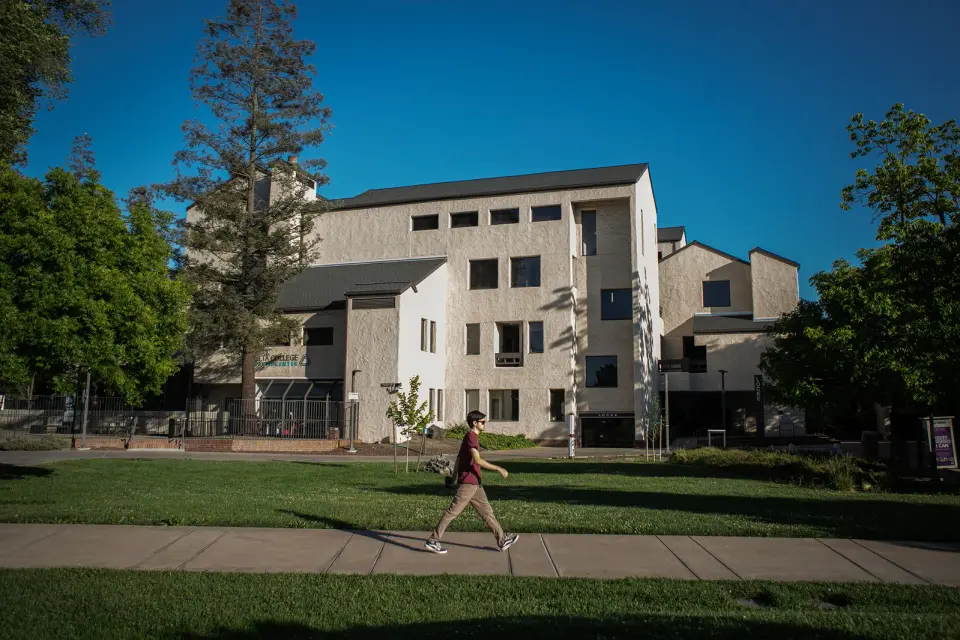
Gov. Gavin Newsom signed two bills establishing a new framework for community colleges to offer bachelor's degrees. The laws allow districts to add 2 to 12 new programs annually starting in 2028, based on student success metrics and regional workforce needs. While the legislation resolves long-standing disputes with the California State University, it has drawn criticism from community college leaders who argue the new caps and tiered system create unnecessary barriers for low-income students and rural districts.
Key points
- SB 960 and AB 2694 allow community college districts to offer between 2 and 12 new bachelor's degrees per year beginning in 2028.
- The number of degrees a district can offer is determined by a five-tier system based on graduation, certificate completion, and transfer rates.
- Districts must demonstrate a local workforce need to justify new degree programs, and caps apply regardless of the number of campuses in the district.
- The laws allow community colleges to offer degrees similar to those at California State University if the CSU program rejects over 25% of local applicants for three consecutive years.
- Newsom vetoed a separate bill that would have allowed a pilot program for bachelor's degrees in nursing at community colleges.
Background
California community colleges have faced restrictions on offering bachelor's degrees since 2022, when a law limited them to 30 new programs annually if they did not duplicate offerings at the University of California or California State University. This led to frequent disputes, with CSU campuses often objecting to new programs, sometimes from campuses located hundreds of miles away. The new legislation aims to resolve these conflicts by introducing a structured, performance-based system for degree expansion.
How outlets are covering it
CalMatters and EdSource report that community college leaders, including Chancellor Sonya Christian, opposed the final versions of the bills. They argue that the tiered system, which caps degrees based on student outcomes, punishes districts serving low-income populations and creates a competitive environment that contradicts the goal of meeting local workforce needs. The Los Angeles Times notes that while CSU and UC shifted to neutral positions, community college officials remain frustrated, with Christian stating the new framework could create more barriers than the previous one. Conversely, bill authors Sen. Christopher Cabaldon and Assemblymember David Alvarez defend the caps as necessary to ensure community colleges focus on their core mission of associate degrees and transfers, with Cabaldon stating the tiered system is 'totally set in stone.'
Why it matters
The new laws significantly alter the landscape of higher education in California by granting community colleges more authority to offer bachelor's degrees, potentially increasing access for students who cannot relocate to four-year universities. However, the implementation of performance-based caps may limit degree expansion in areas with the greatest need, impacting workforce development and educational equity across the state.
What to watch
The new framework takes effect on January 1, 2028. Community college leaders have indicated they will push for further legislative changes in 2027 to address the tiered system. Meanwhile, the state will begin implementing the new dispute resolution process involving the secretary of labor for conflicts between community colleges and CSU over degree duplication.
- California community colleges can offer up to 12 new bachelor's degrees under laws Newsom signed CalMatters
- Community colleges will be able to grant more bachelor's degrees under law signed by Newsom latimes.com
- Why turf war over community college bachelor’s degrees remains unresolved despite legislation EdSource
- California just signed a set of statewide laws expanding bachelor’s degree options at community colleges — starting in 2028 Secret Los Angeles
- Newsom Signs Bills Expanding Community College Bachelor’s Degrees Inside Higher Ed
Want the full story? Read the original reporting
Read on CalMatters