
US Schools Pivot to AI Literacy as Experts Debate the Future of Core Learning
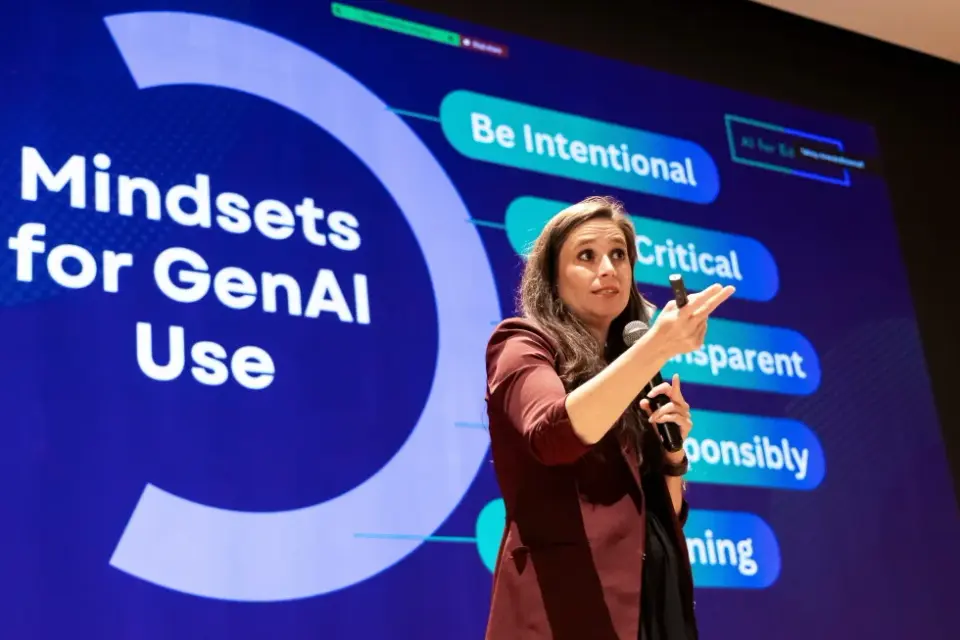
US schools are integrating AI literacy into curricula to help students identify chatbot flaws and maintain critical thinking, while experts debate whether AI should replace traditional academic instruction or serve as a supplementary tool.
Key points
- Schools are teaching students to recognize AI limitations and avoid over-reliance on chatbots for critical tasks.
- Research indicates students are increasingly delegating critical thinking processes to AI tools.
- Educators are divided on whether AI should replace traditional schooling or supplement it after basic skills are mastered.
- Safety concerns persist regarding AI's ability to handle crisis signals and provide appropriate resources for minors.
Background
In July 2026, Common Sense Media reported that Google's AI search failed to detect crisis signals in 2,600 queries from minors, highlighting safety gaps in current AI tools used by students.
How outlets are covering it
AP News reports that schools are actively teaching AI literacy to warn students about chatbot flaws. Education Week features Howard Gardner, who argues AI will make traditional cognitive tasks optional, suggesting students should master basics by age 10 before pursuing interests with AI assistance. Conversely, Yahoo cites research showing students are already offloading critical thinking to AI, raising concerns about cognitive atrophy. While Gardner advocates for a reduced traditional schooling model, skeptics like Rick Hess argue that deep academic grounding remains essential and that previous ed-tech promises often disappointed.
Why it matters
As AI becomes ubiquitous in education, the shift from teaching content to teaching AI literacy and critical evaluation is crucial for student safety, cognitive development, and future workforce readiness.
What to watch
Schools will likely continue expanding AI literacy programs, while policymakers and educators debate the extent to which AI should replace traditional classroom instruction versus serving as a supplementary tool.
- Schools are starting to teach AI literacy. For many, that means helping kids see chatbots' flaws AP News
- Does AI stop children from learning? The Economist
- Howard Gardner: How AI Will Force Us to 'Rethink' Education (Opinion) Education Week
- Schoolchildren leaving critical thinking to AI, research shows Yahoo
- When AI Makes Young People Think for Themselves, Real Learning Happens The 74
Want the full story? Read the original reporting
Read on AP News