
Colleges court scarce students by turning admissions into a campus-wide hospitality campaign
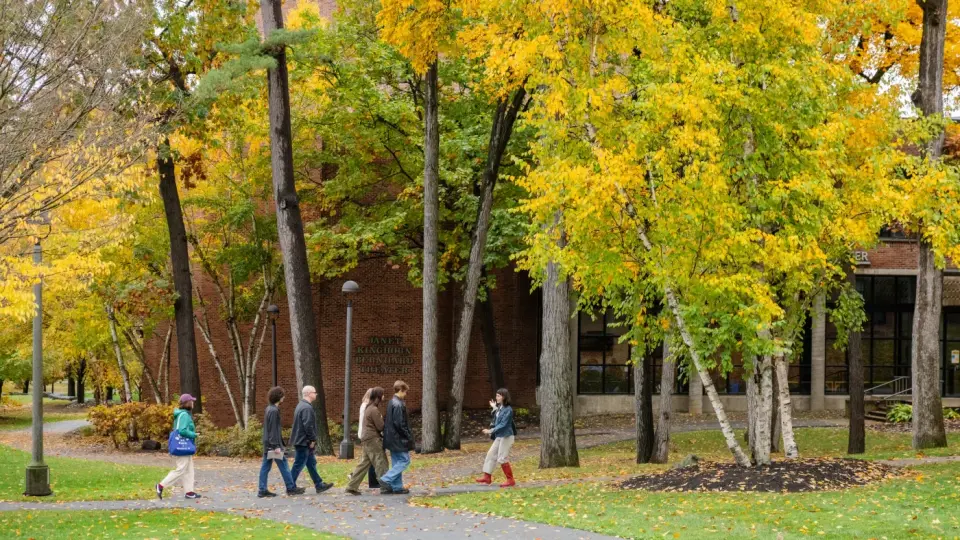
Facing a projected 13% decline in traditional-age freshmen by 2041, US colleges are aggressively shifting from secretive admissions to open, welcoming experiences. Institutions like Skidmore, Ohio Northern, and Washington College are now enlisting faculty to meet applicants, aiming to boost enrollment yields. While acceptance rates have risen to nearly 80% for public and 70% for private schools, public perception remains skewed, with over 40% of young adults mistakenly believing college entry is harder than it is. This strategic pivot aims to convert applicants into enrollees amid intense competition for a shrinking student pool.
Key points
- The supply of traditional-age freshmen is projected to drop by 13% over the next 15 years, while the college-going rate among high school graduates fell from 70% in 2016 to 63% in 2024.
- Average acceptance rates have risen significantly, reaching nearly 80% for public and 70% for private nonprofit colleges, up from 68% and 65% a decade ago.
- Yield rates have plummeted, dropping from 32% to 22% at public institutions and 24% to 18% at private nonprofits between 2014 and 2024, forcing colleges to admit roughly five times more students than they need.
- Colleges are waiving application fees, offering financial aid for campus tours, and involving faculty in recruitment to create a sense of belonging and improve conversion rates.
- Public universities in 17 states now admit students without formal applications, and over 150 private colleges make direct offers via the Common App to capture potential enrollees early.
Background
This shift follows a broader trend of increasing competition in higher education, where institutions have struggled to meet enrollment targets. Recent data indicates that two-thirds of admissions leaders faced difficulties in the last two years, with 97% expecting competition to intensify. The current strategy represents a departure from previous 'ivory tower' approaches, moving toward a model where every campus interaction is leveraged for recruitment.
How outlets are covering it
NPR and The Hechinger Report present identical core facts, as the story originated from The Hechinger Report and was republished by NPR. Both outlets emphasize the paradox of rising acceptance rates alongside falling public awareness, citing NACAC and Pew Research data. They agree that the primary driver is the demographic decline in applicants, forcing institutions to adopt hospitality-focused strategies. Neither source offers a dissenting view; instead, they highlight the consensus among enrollment consultants that faculty involvement is critical for survival, noting that some faculty initially resisted but were persuaded by the financial implications of enrollment drops on program funding and salaries.
Why it matters
The changing dynamics of college admissions signal a structural shift in the US higher education market. As the pool of applicants shrinks, the power dynamic is moving from institutions to students, who now face easier acceptance but must navigate a more complex, multi-school application process. For policymakers and educators, this highlights the need to address the disconnect between actual admission statistics and public perception, which continues to drive anxiety among families. For students, the trend means more personalized attention and potentially better financial support, but also a more competitive landscape for the few remaining elite institutions.
What to watch
Colleges will likely continue expanding faculty-led recruitment efforts and campus hospitality initiatives to improve yield rates. Enrollment leaders expect the competition for students to intensify, potentially leading to further reductions in application fees and increased financial incentives for early decision-making. As the demographic decline accelerates, institutions may face greater pressure to differentiate themselves through experiential engagement rather than traditional academic metrics alone.
Want the full story? Read the original reporting
Read on NPR