
Cornell President Admits Failure to Follow Up on 2024 Fraternity Assault, Announces Sweeping Campus Reforms
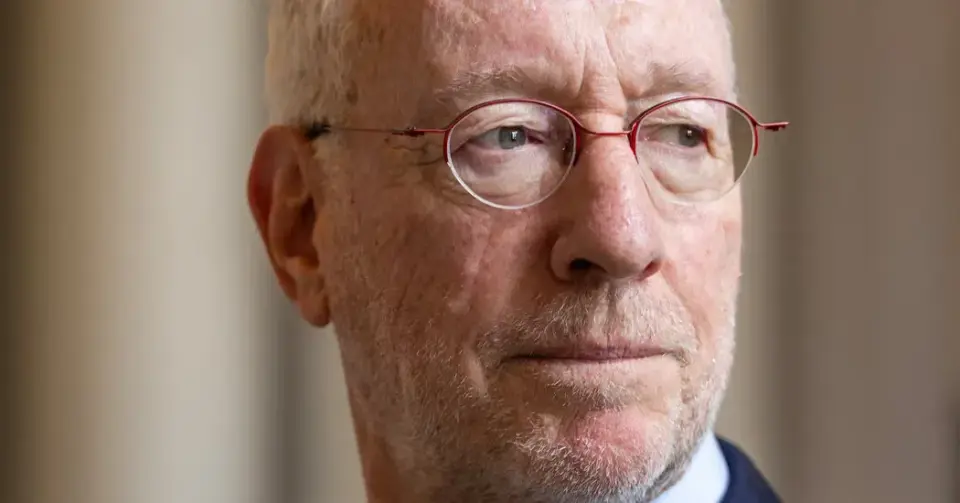
Cornell President Michael Kotlikoff admitted in a rare interview that he knew about a 2024 gang rape report but failed to follow up or track the accused. He announced immediate suspensions of fraternity parties and an independent review led by former official Sally Yates, as the university faces a no-confidence vote and state prosecution.
Key points
- Kotlikoff acknowledged he learned of the assault in November 2024 but did not contact the victim or verify if accused men faced punishment.
- The university suspended all fraternity parties for the 2026-2027 academic year and is hiring trauma-informed investigators from the New York State Police.
- Former acting U.S. Attorney General Sally Yates was retained to lead an independent review of campus sexual misconduct policies.
- The faculty senate is expected to vote on a no-confidence motion against the president later this month.
- The victim, known as Jane Doe, filed a civil lawsuit in September 2026 alleging she was drugged with ketamine and assaulted by seven Chi Phi members.
Background
The crisis stems from a 2024 incident where a student reported being gang-raped at a Chi Phi fraternity house. Local authorities initially declined to prosecute, but New York Governor Kathy Hochul appointed Attorney General Letitia James as special prosecutor in October 2026. Campus protests and vandalism followed the filing of a civil lawsuit by the victim in September 2026, intensifying scrutiny on the university's handling of the case.
How outlets are covering it
The New York Times and The Guardian emphasize Kotlikoff’s admission of negligence and the loss of trust among the campus community. The Cornell Daily Sun argues that suspending individual fraternities is insufficient, advocating for a structural shift to co-ed, non-residential social clubs similar to Princeton's model to eliminate gender-segregated power imbalances. Cornell University’s official statement frames the response as a proactive, systemic overhaul, highlighting new support systems for survivors and the immediate ban on fraternity parties as necessary steps toward cultural change.
Why it matters
The case highlights systemic failures in university response to sexual violence and the limitations of disciplinary measures that do not address structural issues in Greek life. It underscores the growing demand for independent oversight and state intervention in campus safety matters.
What to watch
The faculty senate will vote on a no-confidence motion against Kotlikoff. The independent review led by Sally Yates will assess and recommend policy changes, while the New York State Police will handle criminal investigations alongside the university's new support systems.
- Cornell’s President Acknowledges Missteps in Handling of Rape Accusations The New York Times
- Cornell president acknowledges he knew about fraternity sexual assault but didn’t follow up The Guardian
- Cornell president admits he never followed up on gang rape allegation ahead of no-confidence debate AP News
- Immediate measures to strengthen campus safety and better support survivors Cornell University
- GUEST ROOM | The Whac-A-Mole Ritual of Suspending Fraternities Is Not Working; It’s Time for Deeper Reforms The Cornell Daily Sun
Want the full story? Read the original reporting
Read on The New York Times